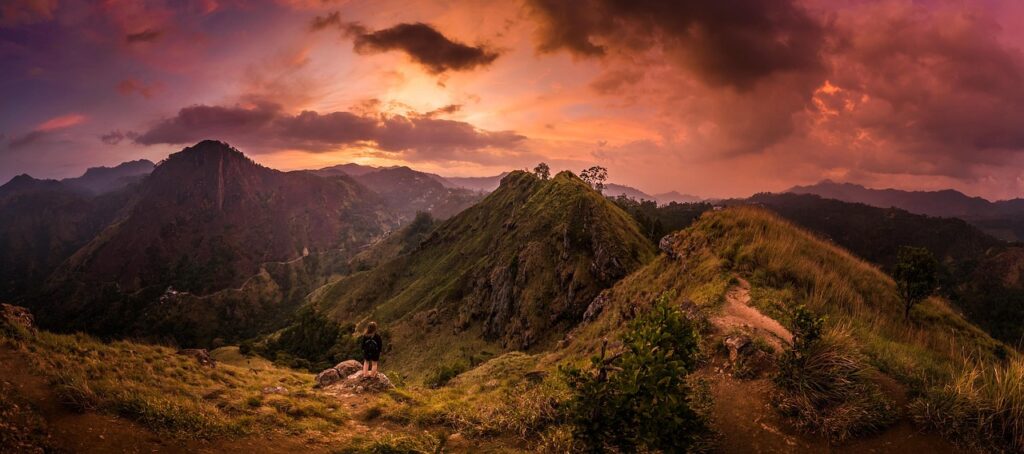

For many, the idea of backpacking conjures images of serene landscapes, thrilling adventures, and a deep connection with nature. However, the reality of backpacking can be daunting, especially for beginners. The vast array of information available can be overwhelming, leaving many to wonder where to start. With so much to consider, from gear to safety, it’s easy to feel uncertain about what to expect. As a beginner, it’s natural to have questions about the best approaches to take. The key to a successful backpacking trip lies in understanding the basics and being well-prepared.
📝 In This Post
The Basics of Backpacking
Backpacking refers to the act of hiking and camping in the wilderness while carrying all your gear in a backpack. It requires a combination of physical endurance, navigational skills, and knowledge of wilderness safety. At its core, backpacking is about immersing oneself in nature, challenging personal limits, and experiencing the beauty of the outdoors. The basics of backpacking involve understanding the necessities of backpacking gear, safety protocols, and environmental awareness.
| Term | Plain-English Meaning |
|---|---|
| Backpack | A bag designed to carry gear, food, and clothing for extended periods of hiking and camping. |
| Tent | A portable shelter used for sleeping and protection from the elements. |
| Trail | A path or route used for hiking, often marked and maintained for public use. |
| Navigation | The process of finding one’s way through the wilderness using maps, compasses, and other tools. |
| Bear Bag | A bag used to store food and scented items, typically hung from a tree to protect against wildlife. |
| First Aid Kit | A collection of supplies used to treat minor injuries and illnesses in the wilderness. |
Why Backpacking Tips Matter
The importance of backpacking tips cannot be overstated. For instance, in 2019, over 11 million people participated in backpacking in the United States alone, according to the Outdoor Foundation. With such a large number of participants, the potential for accidents and mishaps increases significantly. Proper planning, knowledge of safety protocols, and understanding of how to use backpacking gear correctly are crucial for minimizing risks and ensuring a positive experience. Backpacking tips are not just for beginners; even seasoned backpackers can benefit from refining their skills and staying updated on the latest best practices.
A real-world example of the impact of backpacking tips can be seen in the story of a group of hikers who embarked on a trek through the Appalachian Trail. Despite being experienced hikers, they failed to properly secure their food, leading to a bear encounter that could have been avoided. This incident highlights the importance of following established guidelines and best practices, even for those with extensive backpacking experience. By understanding and applying backpacking tips, individuals can significantly reduce the risk of accidents and enhance their overall backpacking experience.
Backpacking tips are also essential for preserving the natural environment. The Leave No Trace principles, a set of guidelines that aim to minimize the impact of outdoor activities on the environment, are a critical component of responsible backpacking. By following these principles, backpackers can help protect wildlife habitats, prevent erosion, and maintain the beauty of natural areas for future generations. In 2020, the Leave No Trace Center for Outdoor Ethics reported that the application of these principles resulted in a significant reduction in environmental impact in areas where they were implemented, demonstrating the tangible benefits of adhering to backpacking tips and guidelines.
Core Backpacking Approaches
-
Planning and Preparation
Planning and preparation are the foundation of a successful backpacking trip. This involves researching the trail, checking the weather, and ensuring that all necessary gear is in good condition. It’s also crucial to create an itinerary and share it with someone who is not participating in the trip, in case of an emergency. A common beginner mistake is underestimating the time required to complete a section of the trail, leading to rushed decisions and increased risk of accidents.
To plan and prepare effectively, backpackers should start by gathering information about their destination, including trail conditions, weather forecasts, and any potential hazards. They should then use this information to create a detailed itinerary, including planned rest days and contingency plans for unexpected events. The process of planning and preparation is ongoing, with continuous adjustments being made as new information becomes available. prepare effectively backpackers
- Why It Works: Allows for a tailored approach to the backpacking trip, ensuring that the itinerary is realistic and safe.
- Why It Works: Enables backpackers to anticipate and prepare for potential challenges, reducing the risk of accidents and improving overall safety.
-
Packing Light
Packing light is a critical skill for backpackers, as it directly affects the comfort and success of the trip. This involves selecting gear that is both functional and lightweight, and avoiding unnecessary items. A common mistake is overpacking, which can lead to fatigue and decreased mobility. To pack light, backpackers should focus on the essentials, such as a first aid kit, navigation tools, and appropriate clothing for the expected weather conditions.
The process of packing light requires a thoughtful and intentional approach, with each item being carefully considered for its utility and weight. Backpackers should aim to strike a balance between being prepared and minimizing their pack weight, recognizing that every ounce counts when hiking for extended periods. By packing light, backpackers can enjoy a more comfortable and efficient hiking experience, with reduced fatigue and improved overall performance.
- Why It Works: Reduces the physical strain of carrying a heavy backpack, allowing for longer hiking days and improved overall enjoyment.
- Why It Works: Enhances mobility and flexibility, enabling backpackers to navigate challenging terrain with greater ease and confidence.
-
Navigation and Route Finding
Navigation and route finding are essential skills for backpackers, as they enable individuals to find their way through the wilderness and stay on track. This involves using maps, compasses, and GPS devices, as well as recognizing natural landmarks and trail signs. A common beginner mistake is relying too heavily on technology, without developing the skills to navigate using traditional methods.
To navigate effectively, backpackers should start by developing a solid understanding of map reading and compass use. They should then practice using these skills in the field, gradually building their confidence and proficiency. It’s also important to stay aware of one’s surroundings, recognizing potential hazards and adjusting the route as needed to ensure safety and efficiency.
- Why It Works: Enables backpackers to stay on track and avoid getting lost, reducing the risk of accidents and improving overall safety.
- Why It Works: Allows for more efficient hiking, as backpackers can avoid unnecessary detours and stay focused on their intended route.
-
Campcraft and Shelter
Campcraft and shelter are critical components of backpacking, as they provide a safe and comfortable place to rest and recover. This involves selecting a suitable campsite, setting up a tent, and starting a campfire. A common beginner mistake is choosing a campsite that is too close to a water source, which can increase the risk of flooding and attract wildlife.
To establish a safe and comfortable camp, backpackers should focus on finding a site that is flat, dry, and protected from the elements. They should then set up their tent and start a campfire, using established safety protocols to minimize the risk of accidents. It’s also important to follow best practices for campcraft, such as storing food and trash properly and minimizing environmental impact.
- Why It Works: Provides a safe and comfortable place to rest, allowing backpackers to recover from the physical demands of hiking.
- Why It Works: Enables backpackers to prepare meals and stay warm, improving their overall well-being and enjoyment of the trip.
-
Food and Water Management
Food and water management are essential for maintaining energy and hydration during a backpacking trip. This involves planning and preparing meals, storing food properly, and treating water to make it safe for consumption. A common beginner mistake is underestimating the amount of food and water needed, leading to hunger and dehydration.
To manage food and water effectively, backpackers should start by planning their meals and snacks in advance, taking into account their energy needs and the availability of food and water along the trail. They should then use appropriate storage containers and treatment methods to keep their food and water safe, recognizing the importance of maintaining a healthy and balanced diet during the trip.
- Why It Works: Provides the energy and hydration needed to hike and enjoy the outdoors, improving overall performance and well-being.
- Why It Works: Reduces the risk of foodborne illness and waterborne diseases, ensuring a safe and healthy backpacking experience.
-
Wildlife and Environmental Awareness
Wildlife and environmental awareness are critical components of responsible backpacking, as they enable individuals to minimize their impact on the natural environment and avoid potential hazards. This involves recognizing and respecting wildlife habitats, following best practices for waste disposal, and staying informed about local regulations and guidelines.
To develop wildlife and environmental awareness, backpackers should start by educating themselves about the local ecosystem and potential hazards, such as wildlife encounters and natural disasters. They should then apply this knowledge in the field, taking steps to minimize their impact and respect the natural environment. It’s also important to stay aware of one’s surroundings, recognizing potential hazards and adjusting behavior accordingly to ensure safety and sustainability.
- Why It Works: Enables backpackers to minimize their impact on the environment, preserving natural areas for future generations.
- Why It Works: Reduces the risk of wildlife encounters and other environmental hazards, improving overall safety and enjoyment of the trip.
-
Emergency Preparedness
Emergency preparedness is a critical aspect of backpacking, as it enables individuals to respond effectively in the event of an accident or unexpected event. This involves carrying a first aid kit, knowing how to use basic first aid techniques, and having a plan in place for emergency situations.
To prepare for emergencies, backpackers should start by assembling a comprehensive first aid kit and learning basic first aid techniques, such as wound cleaning and splinting. They should then develop a plan for emergency situations, including how to contact help and what to do in the event of an accident. It’s also important to stay informed about potential hazards and take steps to mitigate risks, recognizing the importance of being prepared for unexpected events.
- Why It Works: Enables backpackers to respond effectively in the event of an emergency, improving overall safety and well-being.
- Why It Works: Reduces the risk of accidents and injuries, allowing backpackers to enjoy a safe and successful trip.
| Step | What You Do | Expected Result |
|---|---|---|
| 1. Planning and Preparation | Research the trail, check the weather, and ensure all necessary gear is in good condition. | A safe and successful backpacking trip, with a clear understanding of what to expect and how to prepare. |
| 2. Packing Light | Select gear that is both functional and lightweight, and avoid unnecessary items. | A more comfortable and efficient hiking experience, with reduced fatigue and improved overall enjoyment. |
| 3. Navigation and Route Finding | Use maps, compasses, and GPS devices to stay on track and find your way through the wilderness. | The ability to navigate effectively, avoiding getting lost and reducing the risk of accidents. |
| 4. Campcraft and Shelter | Select a suitable campsite, set up a tent, and start a campfire using established safety protocols. | A safe and comfortable place to rest, allowing backpackers to recover from the physical demands of hiking. |
| 5. Food and Water Management | Plan and prepare meals, store food properly, and treat water to make it safe for consumption. | The energy and hydration needed to hike and enjoy the outdoors, with a reduced risk of foodborne illness and waterborne diseases. |
| 6. Wildlife and Environmental Awareness | Recognize and respect wildlife habitats, follow best practices for waste disposal, and stay informed about local regulations and guidelines. | A minimized impact on the environment, with a reduced risk of wildlife encounters and other environmental hazards. |
| 7. Emergency Preparedness | Carry a first aid kit, know how to use basic first aid techniques, and have a plan in place for emergency situations. | The ability to respond effectively in the event of an emergency, improving overall safety and well-being. |
Frequently Asked Questions
What is the best backpack for backpacking?
The best backpack for backpacking is one that is comfortable, durable, and has multiple compartments to keep gear organized. Some popular options include the Osprey Atmos and the Salomon Quest.
How do I navigate in the wilderness?
Navigating in the wilderness involves using a combination of maps, compasses, and GPS devices. It’s also important to recognize natural landmarks and trail signs, and to stay aware of one’s surroundings.
What should I do in the event of a bear encounter?
In the event of a bear encounter, it’s essential to remain calm and follow established protocols. This may involve making loud noises to scare the bear away, or using bear spray as a last resort. follow established protocols
How can I minimize my impact on the environment?
Minimizing one’s impact on the environment involves following the Leave No Trace principles, which include disposing of waste properly, respecting wildlife habitats, and avoiding sensitive ecosystems.
What are some common mistakes that beginners make?
Some common mistakes that beginners make include overpacking, underestimating the difficulty of the trail, and failing to bring essential gear such as a first aid kit and navigation tools.
One Last Thing
Backpacking is a rewarding and challenging activity that requires careful planning, preparation, and attention to detail. By following the tips and guidelines outlined above, backpackers can minimize their risk of accidents and injuries, while also preserving the natural beauty of the environment. Whether you’re a seasoned backpacker or just starting out, remember to always be prepared, respect the environment, and enjoy the path.
With the right mindset and skills, backpacking can be a truly transformative experience, allowing individuals to connect with nature and challenge themselves in new and exciting ways. So why not get started today, and see where the trail takes you?
Remember to always prioritize safety, respect the environment, and have fun, and you’ll be well on your way to a successful and enjoyable backpacking trip.