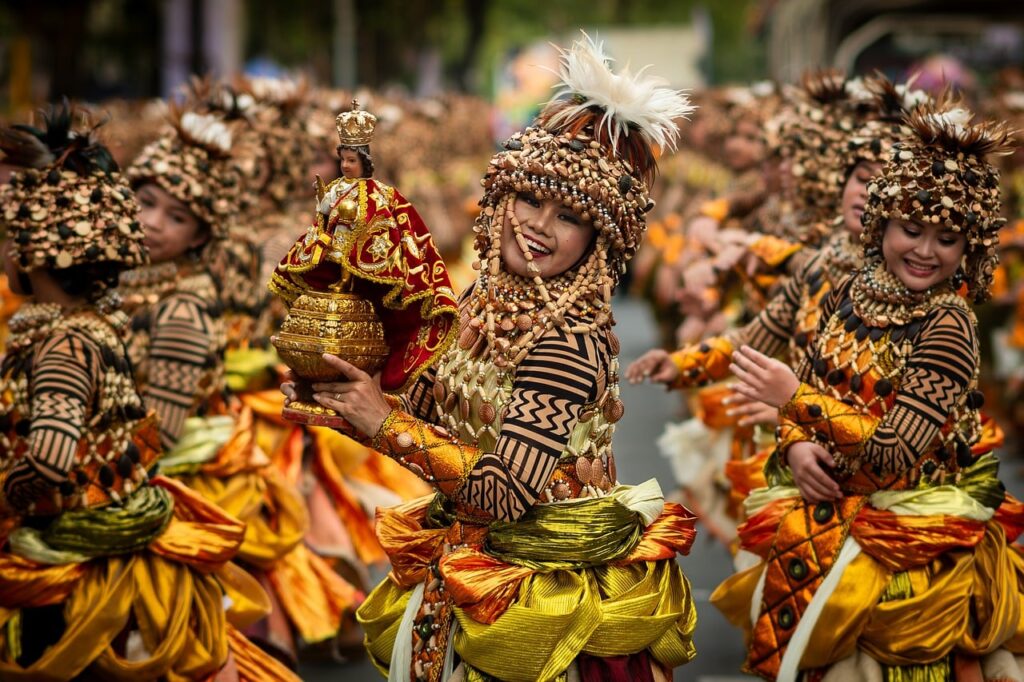

Are Nigerian cultural festivals really worth attending, or are they just a repeat of the same traditions year in and year out? Do they offer a unique experience, or are they simply a way to connect with the past? What makes these festivals so significant to the people of Nigeria, and why should anyone consider attending them? The answer lies in understanding the depth and richness of Nigerian culture, which is woven into the fabric of every festival. Each event is a testament to the country’s diverse heritage, showcasing its traditions, music, art, and history. By attending these festivals, one can experience the warmth and hospitality of the Nigerian people, making them a must-visit for anyone interested in cultural exploration.
Nigeria, a country with over 250 ethnic groups, is a melting pot of cultures, each with its own unique festivals and traditions. These events are not just celebrations; they are a way of preserving history, honoring ancestors, and strengthening community bonds. For outsiders looking in, the sheer number of festivals can be overwhelming, but each one offers a glimpse into the complex and vibrant mix that is Nigerian culture.
📝 Quick Navigation
What Is Nigerian Cultural Festival?
A Nigerian cultural festival is an event that celebrates the rich cultural heritage of the country. It is a time when people come together to honor their traditions, dress in their finest attire, and engage in music, dance, and feasting. These festivals are often tied to historical events, religious beliefs, or seasonal changes, and they play a significant role in the social and religious lives of the communities that celebrate them.
Understanding the context of these festivals requires a look into Nigeria’s diverse ethnic groups and their practices. The country is home to over 250 ethnic groups, with the three largest being the Hausa-Fulani, Yoruba, and Igbo. Each of these groups has its own distinct culture, language, and traditions, which are reflected in the various festivals that take place throughout the year.
The significance of Nigerian cultural festivals cannot be overstated. They are a means of cultural preservation, ensuring that the traditions and beliefs of the past are passed down to future generations. They also serve as a platform for social cohesion, bringing people together in a shared experience of music, dance, and celebration.
| Festival Name | Ethnic Group | Time of Year | Description |
|---|---|---|---|
| Eid al-Fitr | Muslims | End of Ramadan | Celebration of the end of the fasting month of Ramadan. |
| Osun Osogbo Festival | Yoruba | August | A festival in honor of the goddess of fertility, Osun. |
| Durbar Festival | Hausa-Fulani | September | A festival showcasing horse riding and cultural displays. |
| Ofala Festival | Igbo | October | A festival to honor the Obi (king) of Onitsha. |
Leading Nigerian Cultural Festival Solutions
1. Cultural Immersion Programs
Cultural immersion programs offer a unique opportunity for visitors to fully engage with Nigerian culture. These programs allow participants to live with local families, learn traditional crafts, and participate in community activities, providing a deep and meaningful experience of Nigerian life.
Through these programs, visitors can gain a profound understanding of the customs, traditions, and daily life of the Nigerian people. It’s an immersive experience that goes beyond the surface level of festival attendance, looking at the heart of what makes Nigerian culture so vibrant and diverse.
For those interested in a more in-depth cultural experience, these programs are invaluable. They provide a chance to learn about the history, mythology, and spiritual practices of the various ethnic groups, and to understand the context of the festivals and traditions that are such a big part of Nigerian life.
- What You Gain:
- Deep cultural understanding through immersion in daily life.
- Opportunity to learn traditional crafts and skills.
- Personal connections with local families and communities.
2. Festival Attendance Tours
Festival attendance tours are designed for those who want to experience the vibrancy and excitement of Nigerian cultural festivals firsthand. These tours take visitors to the heart of the celebrations, where they can witness the music, dance, and pageantry that characterize these events.
Tour participants have the opportunity to see the preparations that go into each festival, from the making of traditional clothing to the rehearsals of cultural performances. They also get to interact with the local community, learning about the significance of each festival and the role it plays in Nigerian cultural heritage.
These tours are led by knowledgeable guides who provide insights into the historical and cultural context of each festival, ensuring that visitors gain a rich understanding of what they are experiencing.
- What You Gain:
- Front-row experience of Nigerian cultural festivals.
- Insights into the cultural and historical context of each festival.
- Opportunities to interact with local communities and learn from them.
3. Traditional Craft Workshops
Traditional craft workshops offer a hands-on experience of Nigerian artisanal skills. Visitors can learn how to make traditional crafts such as wood carvings, textiles, and pottery, under the guidance of experienced artisans.
These workshops provide a unique opportunity to understand the techniques and materials used in traditional Nigerian crafts, and to appreciate the skill and artistry that goes into each piece. Participants can take home their creations as a souvenir of their experience.
By engaging in these workshops, visitors support local artisans and contribute to the preservation of traditional crafts, which are an integral part of Nigerian cultural heritage. these workshops visitors
- What You Gain:
- Hands-on experience of traditional Nigerian crafts.
- Insights into the techniques and materials used in traditional crafts.
- Support for local artisans and the preservation of traditional skills.
4. Cultural Heritage Sites Tours
Cultural heritage sites tours take visitors to the historical and cultural landmarks that dot the Nigerian landscape. These sites include ancient cities, palaces, and monuments that tell the story of Nigeria’s rich and diverse past.
Guided tours of these sites provide a wealth of information about Nigerian history, from the ancient kingdoms to the colonial period and beyond. Visitors can explore the architecture, art, and artifacts that reflect the cultural and historical context of each site.
These tours offer a comprehensive understanding of the historical underpinnings of Nigerian culture and the festivals that celebrate it.
- What You Gain:
- In-depth knowledge of Nigerian history and cultural heritage.
- Exploration of historical sites and landmarks.
- Understanding of the context of Nigerian festivals and traditions.
5. Community Engagement Projects
Community engagement projects allow visitors to contribute to the development of local communities through various initiatives. These projects could range from educational programs to environmental conservation efforts, all aimed at supporting the well-being of Nigerian communities.
By participating in these projects, visitors can make a positive impact on the lives of Nigerians and contribute to the sustainability of local communities. It’s a way to give back while also learning about the challenges and opportunities faced by these communities.
Community engagement projects foster a sense of mutual respect and understanding between visitors and local communities, enriching the cultural exchange experience.
- What You Gain:
- Opportunity to contribute to community development projects.
- Insights into the challenges and opportunities faced by local communities.
- A sense of mutual respect and understanding with local communities.
Why People Are Paying Attention
✔ Cultural Diversity
Nigerian cultural festivals are a celebration of the country’s incredible cultural diversity. With over 250 ethnic groups, each with its own unique traditions and customs, these festivals offer a kaleidoscope of experiences that reflect the richness of Nigerian culture.
✔ Community Cohesion
These festivals play a significant role in promoting community cohesion. They bring people together, fostering a sense of unity and shared identity among the participants.
✔ Economic Benefits
Nigerian cultural festivals also have economic benefits. They attract tourists, creating income opportunities for local businesses and artisans, and contributing to the local economy.
✔ Preservation of Heritage
By celebrating these festivals, Nigerians preserve their cultural heritage. The festivals are a means of passing down traditions, customs, and beliefs to the next generation, ensuring the continuity of Nigerian culture.
✔ Educational Value
Attending Nigerian cultural festivals offers significant educational value. Visitors can learn about the history, mythology, and cultural practices of the various ethnic groups, gaining a deeper understanding of Nigerian society.
✔ Entertainment and Leisure
Lastly, these festivals are a source of entertainment and leisure. They offer a vibrant and exciting experience, with music, dance, and cultural performances that are both captivating and enjoyable.
| Festival | Location | Date | Description |
|---|---|---|---|
| Eyo Festival | Lagos | November | A festival known for its colorful costumes and masks. |
| Argungu Fishing Festival | Argungu | March | A festival that celebrates fishing and the local fishing industry. |
| Sango Festival | Oyo | August | A festival in honor of Sango, the Yoruba god of thunder. |
| Ekpe Festival | Calabar | December | A festival that showcases the traditions and customs of the Ekpe people. |
The Next 5 Years
- The digitalization of Nigerian cultural festivals will become more prevalent, with online platforms being used to promote and stream festival events, making them more accessible to a global audience.
- The Nigerian government will likely increase its support for cultural festivals, recognizing their importance in promoting tourism and preserving cultural heritage.
- There will be a growing emphasis on sustainability and environmental awareness in the organization of Nigerian cultural festivals.
- Nigerian cultural festivals will play a significant role in promoting national unity and reconciliation, especially in the face of political and social challenges.
- The economic impact of Nigerian cultural festivals will continue to grow, with more businesses and entrepreneurs finding ways to capitalize on the tourism and cultural exchange opportunities these events provide.
This shift will not only increase the visibility of Nigerian culture worldwide but also provide new opportunities for cultural exchange and collaboration. However, it will also pose challenges in terms of preserving the traditional nature of these festivals in the face of modern technological advancements. Nigerian culture worldwide
This increased support could lead to better infrastructure and resources for festival organizers, enhancing the overall experience for attendees. Furthermore, it could also encourage more international participation, further diversifying the cultural landscape of these events.
Efforts to reduce waste, use eco-friendly materials, and promote environmentally conscious practices will become more prominent. This shift towards sustainability will not only benefit the environment but also contribute to the long-term viability of these festivals, ensuring they can continue to thrive for generations to come.
These festivals have the power to bring people together, transcend differences, and foster a sense of shared identity and purpose. By celebrating their cultural diversity and common heritage, Nigerians can work towards a more unified and peaceful society.
This growth will lead to job creation, income generation, and local economic development, further solidifying the importance of these festivals in Nigerian society. However, it will also require careful management to ensure that the commercialization of festivals does not overshadow their cultural significance and traditional values.
Final Thoughts
Nigerian cultural festivals are a celebration of life, culture, and tradition, offering a unique experience that blends music, dance, art, and community. They are a testament to the richness and diversity of Nigerian heritage, showcasing the country’s history, mythology, and cultural practices in a vibrant and captivating way.
For those interested in exploring the depths of Nigerian culture, attending these festivals is an experience not to be missed. It provides a chance to engage with local communities, learn about their customs and traditions, and participate in the joy and celebration that characterizes these events.
In the end, Nigerian cultural festivals are more than just celebrations; they are a bridge between the past and the present, a symbol of national identity, and a source of inspiration for a brighter, more harmonious future.