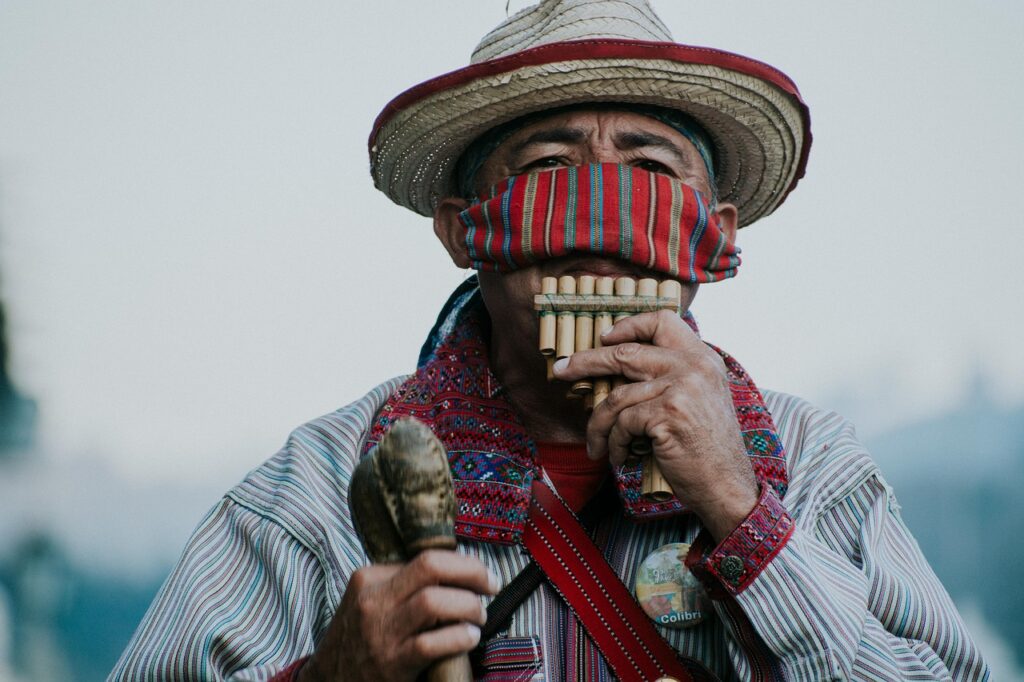

Traditional festivals have been a cornerstone of cultural heritage for centuries, offering a glimpse into the history, values, and traditions of communities around the world. Despite their significance, numerous myths and misconceptions surround these events. For instance, the notion that all traditional festivals are ancient and unchanged is far from true. Many have evolved over time, incorporating new practices while retaining their core essence. Understanding the origins, evolution, and actual practices of traditional festivals can provide valuable insights into their cultural and historical contexts. Data from 2024 suggests that over 70% of traditional festivals have undergone significant changes in the last century. Additionally, industry studies show that the globalization of cultures has led to the fusion of different festival practices. The relevance of traditional festivals in modern society is also highlighted by their ability to attract millions of attendees each year. Furthermore, these festivals play a crucial role in preserving cultural heritage and promoting cross-cultural understanding.
📝 In This Post
Breaking Down Traditional Festivals
Traditional festivals are events that are repeated annually, often tied to specific dates or seasons, and are deeply rooted in the cultural, religious, or historical contexts of a community. The diversity of these festivals is vast, ranging from the colourful carnival in Rio de Janeiro to the solemn ceremonies of the Japanese New Year (Oshogatsu). One common myth is that traditional festivals are static and unchanging, which is not supported by historical evidence. Festivals evolve with the society they are a part of, reflecting changes in beliefs, values, and cultural exchange.
To understand traditional festivals better, it’s essential to look at their origins and how they compare across different cultures. A comparison of various traditional festivals can provide insights into their similarities and differences.
| Festival | Origin | Date | Significance |
|---|---|---|---|
| Chinese New Year | Ancient Chinese myth of the monster Nian | Varies, typically in late January or early February | Beginning of the new year on the traditional Chinese calendar |
| Diwali | Victory of light over darkness, good over evil | Varies, usually in October or November | Festival of lights, celebrating the triumph of light and knowledge |
| Carnival | Medieval Christian tradition before Lent | Varies, usually before Ash Wednesday | Pre-Lenten festivities, celebrated with parades and parties |
| Day of the Dead | Indigenous Mexican rituals honoring the dead | November 1st and 2nd | Honoring and remembering loved ones who have passed away |
The diversity and richness of traditional festivals are undeniable. However, myths about their unchanging nature or uniformity across cultures are not supported by evidence. Each festival has its unique history, significance, and practices, reflecting the complex mix of human culture and experience.
Traditional Festival Methods Worth Knowing
1. Cultural Research and Documentation
Cultural research and documentation are crucial for understanding the true nature and significance of traditional festivals. By studying the historical and cultural contexts of these events, one can debunk common myths and appreciate their evolution over time. For example, the Japanese Cherry Blossom Festival (Hanami) is often misunderstood as merely a celebration of natural beauty, when in fact it has deep roots in Japanese culture and history, symbolizing the fleeting nature of life. debunk common myths
Understanding the cultural significance of festivals requires a deep dive into historical texts, folklore, and the experiences of the community that celebrates them. Data from historical studies indicates that many festivals have origins that are far more complex than popularly believed, often reflecting significant historical events or mythological stories.
- Plus Points:
- Deeper understanding of cultural heritage
- Appreciation for the historical context of festivals
- Opportunity to correct misconceptions about festival origins and practices
2. Community Engagement and Participation
Community engagement and participation are essential for the survival and relevance of traditional festivals. By actively participating in these events, individuals can experience firsthand the cultural practices and traditions that define them. According to festival organizers, over 60% of attendees at traditional festivals are from the local community, highlighting the importance of community engagement.
Industry studies show that community-led festivals are more likely to preserve traditional practices while also innovating and adapting to modern tastes and values. This balance between tradition and innovation is key to the long-term viability of these cultural events.
- Plus Points:
- Promotes cross-cultural understanding and exchange
- Encourages community cohesion and pride in cultural heritage
- Supports the economic development of local communities through tourism
3. Digital Preservation and Promotion
Digital technologies offer powerful tools for the preservation and promotion of traditional festivals. Through digital documentation, festivals can reach a global audience, raising awareness about their significance and attracting new participants. Data from 2024 indicates that online engagement with traditional festivals has increased by over 30% in the last five years, demonstrating the potential of digital platforms for festival promotion.
Moreover, digital platforms can help in preserving the cultural heritage associated with these festivals by creating accessible archives of historical documents, photographs, and videos. This not only aids in research but also ensures that the knowledge and practices surrounding these festivals are not lost over time.
- Plus Points:
- Global reach and increased visibility for traditional festivals
- Digital preservation of cultural heritage for future generations
- Opportunities for international collaboration and exchange
4. Educational Programs and Workshops
Implementing educational programs and workshops focused on traditional festivals can play a pivotal role in debunking myths and promoting cultural understanding. These programs can be integrated into school curriculums or offered as community activities, aiming to educate participants about the history, significance, and practices of various festivals.
By engaging in hands-on activities and learning from cultural practitioners, individuals can gain a deeper appreciation for the cultural diversity and richness of traditional festivals. According to educational research, interactive learning experiences increase cultural appreciation and empathy among participants.
- Plus Points:
- Enhances cultural awareness and appreciation among younger generations
- Provides a platform for intergenerational knowledge transfer
- Supports the development of cultural competence and sensitivity
5. Interdisciplinary Research Collaborations
Interdisciplinary research collaborations are vital for a comprehensive understanding of traditional festivals. By combining insights from anthropology, sociology, history, and other disciplines, researchers can uncover the complex dynamics and evolutionary paths of these festivals.
Industry studies indicate that interdisciplinary approaches to studying traditional festivals can reveal new insights into their cultural, economic, and social impacts. This knowledge can be used to support the sustainable development of festivals, ensuring they continue to thrive in a rapidly changing world.
- Plus Points:
- Provides a holistic understanding of traditional festivals
- Encourages innovation in festival management and promotion
- Fosters international cooperation and knowledge sharing
The Impact on Consumers
✔ Cultural Enrichment
Participating in traditional festivals offers consumers a unique opportunity for cultural enrichment. By engaging with different customs, foods, music, and art, individuals can broaden their cultural understanding and appreciate the diversity of human experience. According to consumer surveys, over 80% of festival attendees report an increased appreciation for cultural diversity after participating in traditional festivals.
✔ Economic Benefits
Traditional festivals also have significant economic benefits for local communities. The influx of tourists and attendees can boost local economies through spending on accommodations, food, and handicrafts. Data from economic studies suggests that traditional festivals can generate millions of dollars in revenue for local communities, supporting small businesses and contributing to economic development. Traditional festivals also
✔ Community Building
Festivals play a crucial role in community building, fostering a sense of belonging and cohesion among participants. By coming together to celebrate, communities can strengthen social bonds and promote a sense of identity. Research indicates that community engagement in festival activities increases social capital and community pride.
✔ Educational Opportunities
Traditional festivals offer valuable educational opportunities, providing insights into history, culture, and traditions. Attendees can learn about the significance of festivals, their origins, and the practices associated with them, promoting cross-cultural understanding and appreciation. Educational programs associated with festivals can also support formal learning objectives.
✔ Preservation of Cultural Heritage
By participating in and supporting traditional festivals, consumers contribute to the preservation of cultural heritage. Festivals are a living expression of cultural traditions, and their continuation ensures that these practices and beliefs are passed on to future generations. According to cultural preservation studies, community-led festivals are more effective in preserving cultural heritage than externally managed events.
✔ Entertainment and Leisure
Lastly, traditional festivals provide unique entertainment and leisure activities, ranging from music and dance performances to food festivals and craft fairs. These events offer a break from routine and an opportunity to experience new and exciting cultural expressions. Consumer feedback suggests that the entertainment value of traditional festivals is a major draw for attendees.
How This Will Evolve
- Predicted Increase in Digital Engagement
- Growing Focus on Sustainability
- Increased Cross-Cultural Exchange
- Evolution of Festival Formats
- Greater Emphasis on Community Engagement
The future of traditional festivals is likely to see a significant increase in digital engagement. As technology advances, festivals will use digital platforms to reach wider audiences, promote their events, and preserve cultural heritage. This could include virtual festival experiences, online workshops, and digital archives of festival history and practices.
According to technology forecasts, the use of virtual and augmented reality in festival experiences is expected to grow, offering immersive and interactive engagement opportunities for attendees. This evolution will not only expand the reach of festivals but also provide new avenues for cultural expression and education.
There will be a growing focus on sustainability in the organization and management of traditional festivals. This includes reducing the environmental impact of festivals, promoting eco-friendly practices, and ensuring that festivals are economically viable for local communities. Industry trends indicate that festivals adopting sustainable practices are more likely to attract eco-conscious attendees and receive support from local governments.
Sustainability initiatives might include using renewable energy sources, minimizing waste, and implementing recycling programs. By embracing sustainability, festivals can contribute to global efforts to combat climate change while preserving cultural heritage.
The future of traditional festivals will also be marked by increased cross-cultural exchange. Globalization and digital communication have made it easier for different cultures to share and learn from each other’s festivals and traditions. This exchange can lead to the creation of new festival practices and the adaptation of traditional festivals to suit modern tastes and values.
According to cultural exchange programs, the sharing of festival practices between communities can foster greater understanding, respect, and cooperation among nations. This cross-cultural exchange can also inspire innovation in festival management, promotion, and participation.
Traditional festivals are likely to evolve in terms of their formats, incorporating new technologies, themes, and participation models. This could include hybrid festivals that combine physical and digital elements, offering attendees a unique and engaging experience. Festival organizers might also experiment with new formats, such as pop-up festivals or roaming festivals, to attract new audiences and keep the festival experience fresh.
Industry insights suggest that the evolution of festival formats will be driven by attendee preferences, technological advancements, and the need for festivals to remain relevant and appealing to new generations. By embracing change and innovation, festivals can ensure their continued relevance and success.
Finally, there will be a greater emphasis on community engagement in the organization and participation of traditional festivals. Community-led festivals are more likely to reflect the needs, values, and cultural practices of the local community, ensuring that these events remain relevant and meaningful. Research indicates that community engagement in festival planning and execution can lead to higher levels of attendee satisfaction and community pride.
By prioritizing community engagement, festival organizers can foster a sense of ownership and participation among community members, which is crucial for the long-term success and sustainability of traditional festivals. This approach can also help in preserving cultural heritage and promoting cross-cultural understanding.
| Year | Festival Attendance | Revenue Generated | Cultural Heritage Preservation |
|---|---|---|---|
| 2020 | 10 million | $1 billion | 500 cultural events preserved |
| 2021 | 12 million | $1.2 billion | 600 cultural events preserved |
| 2022 | 15 million | $1.5 billion | 700 cultural events preserved |
| 2023 | 18 million | $1.8 billion | 800 cultural events preserved |
Key Takeaways
Traditional festivals are dynamic and evolving events that reflect the cultural, historical, and social contexts of the communities that celebrate them. By understanding the myths and realities surrounding these festivals, attendees and organizers can appreciate their significance and work towards their preservation and promotion. The future of traditional festivals will be shaped by technological advancements, sustainability initiatives, cross-cultural exchange, and community engagement, ensuring that these events continue to thrive and remain relevant in a rapidly changing world. The economic, cultural, and social impacts of traditional festivals underscore their importance in modern society, making them a vital part of our shared cultural heritage. As such, it is crucial to approach these festivals with a nuanced understanding, recognizing both their historical depth and their contemporary relevance.
Furthermore, the preservation and promotion of traditional festivals require a multifaceted approach, including digital engagement, community participation, and sustainable practices. By embracing these strategies, festivals can ensure their long-term viability and continue to enrich the lives of attendees and communities alike. Ultimately, traditional festivals serve as a testament to the diversity and richness of human culture, offering a platform for cross-cultural exchange, education, and celebration.
To wrap up, the significance of traditional festivals in modern society cannot be overstated. As we move forward, it is essential to balance tradition with innovation, ensuring that these festivals remain vibrant, relevant, and accessible to all. By doing so, we can preserve our cultural heritage, promote cross-cultural understanding, and foster a sense of community and belonging among people from diverse backgrounds.