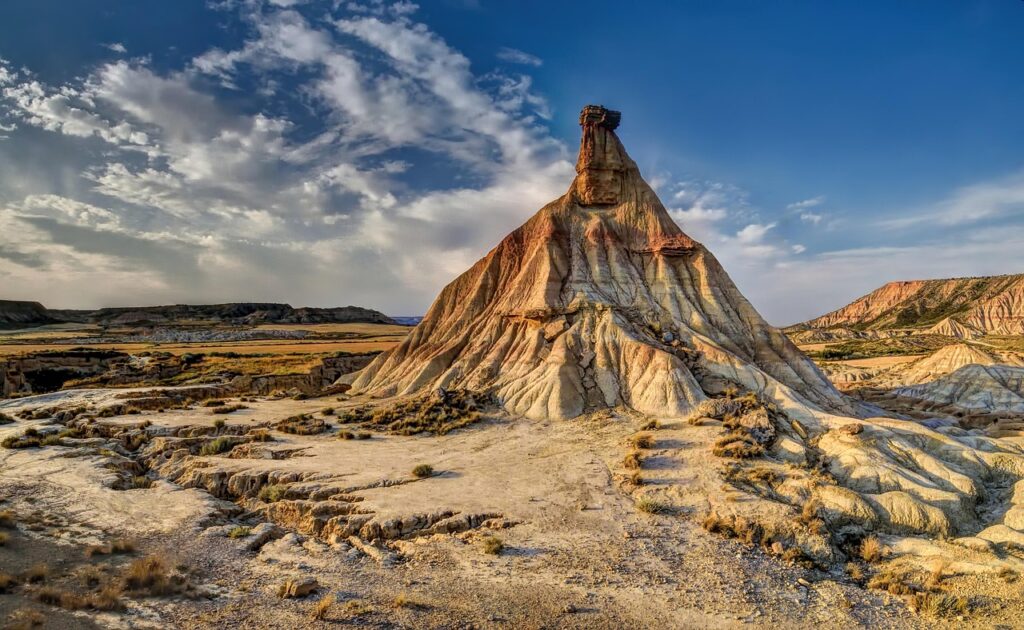

Adventure travel has been gaining attention in recent years due to its unique blend of excitement, cultural immersion, and personal growth. As more people seek to break away from traditional tourist trails, adventure travel offers an alternative that combines physical activity, exploration, and interaction with local communities. With the rise of social media, the allure of adventure travel has become even more pronounced, with many seeking to capture breathtaking moments and share them with the world. The increasing accessibility of remote destinations and the development of specialized tour operators have also contributed to the growing popularity of adventure travel.
What Does Adventure Travel Mean?
Adventure travel refers to a type of tourism that involves exploring new and often unconventional destinations, engaging in physical activities such as hiking, biking, or kayaking, and immersing oneself in local cultures. It is characterized by a sense of excitement, uncertainty, and personal challenge, as travelers venture into the unknown and push their limits. Adventure travel can take many forms, ranging from trekking in the Himalayas to scuba diving in the Great Barrier Reef, and from cycling through Europe to dog sledding in the Arctic.
Major Adventure Travel Developments
1. Ecotourism
Ecotourism is a subset of adventure travel that focuses on responsible travel to natural areas, conserving the environment, and sustaining the well-being of local people. This type of tourism has gained significant attention in recent years, as travelers become increasingly aware of the impact of their visits on the environment and local communities.
- Advantages:
- Promotes environmental conservation and sustainability
- Supports local communities and economies
- Provides unique and immersive cultural experiences
- Known Issues:
- Potential for over-tourism and environmental degradation
- Difficulty in ensuring responsible and sustainable practices
2. Cultural Tourism
Cultural tourism is another important aspect of adventure travel, involving the exploration of local customs, traditions, and ways of life. This type of tourism has the potential to foster greater understanding and appreciation between different cultures, as well as promote cross-cultural exchange and collaboration.
- Advantages:
- Provides unique and authentic cultural experiences
- Promotes cross-cultural understanding and exchange
- Supports local economies and communities
- Known Issues:
- Potential for cultural appropriation and exploitation
- Difficulty in ensuring respectful and responsible cultural exchange
| Destination | Activity | Duration |
|---|---|---|
| Peru | Inca Trail trekking | 4-5 days |
| New Zealand | Bungee jumping and hiking | 7-10 days |
Real-World Benefits
✔ Personal growth and self-discovery
Adventure travel provides a unique opportunity for personal growth and self-discovery, as travelers challenge themselves and push their limits in new and unfamiliar environments.
✔ Cultural immersion and exchange
Adventure travel allows for authentic cultural immersion and exchange, as travelers engage with local communities and experience different customs and ways of life.
✔ Environmental awareness and conservation
Adventure travel can promote environmental awareness and conservation, as travelers learn about and appreciate the natural beauty and importance of preserving ecosystems and wildlife habitats.
✔ Physical and mental well-being
Adventure travel can have numerous physical and mental health benefits, including reduced stress, improved mood, and increased physical fitness.
✔ Social connections and community building
Adventure travel provides opportunities for social connections and community building, as travelers meet and interact with like-minded individuals and form lasting bonds and friendships.
What Researchers Are Working On
- Developing sustainable tourism practices and reducing the environmental impact of adventure travel
- Improving cultural exchange and understanding through adventure travel
- Investigating the physical and mental health benefits of adventure travel
- Examining the economic benefits of adventure travel for local communities
- Creating new and innovative adventure travel products and experiences
One Last Thing
Adventure travel has the potential to be a life-changing experience, providing unique opportunities for personal growth, cultural immersion, and environmental awareness. As the industry continues to evolve and grow, it is essential to prioritize responsible and sustainable practices, ensuring that the benefits of adventure travel are shared by all stakeholders involved. By embracing the principles of responsible tourism, adventure travelers can make a positive impact on the world, while also creating lasting memories and experiences.