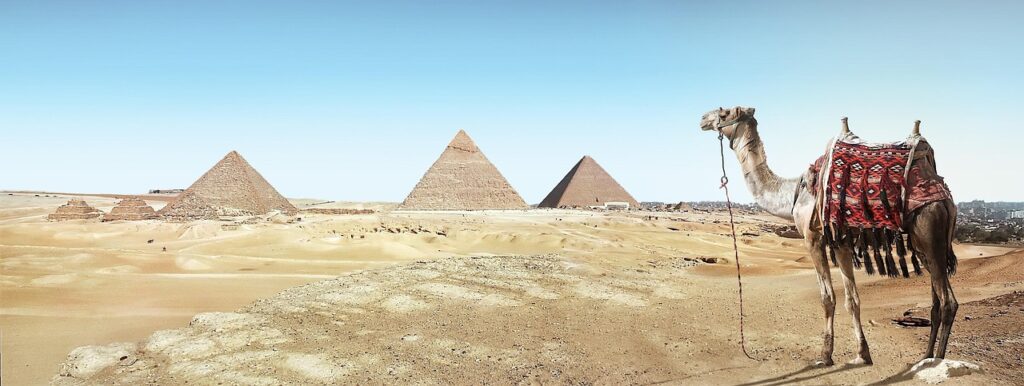

Africa is a continent steeped in history and culture, with a wealth of heritage sites that attract millions of visitors each year. From the ancient pyramids of Egypt to the vibrant cultural festivals of South Africa, there are countless opportunities to experience the continent’s diverse heritage. However, with so many sites to choose from, it can be difficult to know where to start. Choosing the right heritage site to visit matters, as it can make all the difference in gaining a deeper understanding of the continent’s history and culture. With over 130 UNESCO World Heritage Sites to explore, visitors are spoilt for choice. Whether you’re interested in ancient civilizations, colonial history, or vibrant cultural festivals, Africa has something to offer.
📝 Table of Contents
What Does African Heritage Mean?
African heritage refers to the cultural, historical, and natural heritage of the African continent. It encompasses a broad range of sites and traditions, from ancient monuments and historical buildings to vibrant cultural festivals and traditional practices. Understanding African heritage is essential to appreciating the continent’s diverse history and culture. To evaluate the different heritage sites in Africa, there are several key metrics to consider, including the site’s historical significance, cultural importance, and natural beauty.
The following table highlights some of the key metrics to evaluate when considering a visit to an African heritage site:
| Site | Historical Significance | Cultural Importance | Natural Beauty |
|---|---|---|---|
| Pyramids of Giza | High | High | Medium |
| Victoria Falls | Medium | Medium | High |
| Robben Island | High | High | Low |
| Timbuktu | High | High | Medium |
By considering these metrics, visitors can gain a deeper understanding of the significance and importance of each heritage site, and make informed decisions about which sites to visit.
African Heritage Sites Worth Knowing
The Pyramids of Giza
The Pyramids of Giza are one of the most famous heritage sites in Africa, and are a must-visit destination for anyone interested in ancient history. The pyramids are an awe-inspiring sight, with their towering structures and intricate hieroglyphics. Visitors can explore the pyramids and learn about the history and significance of these ancient monuments.
- Plus Points:
- Rich history and cultural significance
- Impressive architecture and engineering
- Opportunities to learn about ancient Egyptian culture and traditions
- Current Limitations:
- Large crowds and long queues
- Limited access to certain areas of the site
Best for: History buffs and those interested in ancient cultures.
Victoria Falls
Victoria Falls is one of the most spectacular natural heritage sites in Africa, with its breathtaking waterfalls and stunning scenery. Visitors can take a guided tour of the falls, or participate in adventure activities such as white-water rafting or bungee jumping.
- Plus Points:
- Breathtaking natural beauty and scenery
- Opportunities for adventure activities and outdoor pursuits
- Rich cultural and historical significance
- Current Limitations:
- Remote location and limited accessibility
- High cost of activities and tours
Best for: Nature lovers and adventure seekers.
Robben Island
Robben Island is a heritage site of great historical and cultural significance, as it was the prison where Nelson Mandela was held for 18 years. Visitors can take a guided tour of the island and learn about its history and significance.
- Plus Points:
- Rich history and cultural significance
- Opportunities to learn about Nelson Mandela and the anti-apartheid movement
- Stunning natural beauty and scenery
- Current Limitations:
- Limited accessibility and remote location
- Emotionally challenging and potentially disturbing content
Best for: History buffs and those interested in cultural and social justice.
Timbuktu
Timbuktu is a heritage site of great historical and cultural significance, with its ancient mosques and vibrant cultural festivals. Visitors can explore the city and learn about its rich history and traditions.
- Plus Points:
- Rich history and cultural significance
- Opportunities to learn about Islamic culture and traditions
- Vibrant cultural festivals and events
- Current Limitations:
- Remote location and limited accessibility
- Security concerns and potential risks
Best for: History buffs and those interested in cultural and religious traditions.
The Serengeti National Park
The Serengeti National Park is a heritage site of great natural beauty and significance, with its stunning wildlife and ecosystems. Visitors can take a guided tour of the park and learn about its history and significance.
- Plus Points:
- Breathtaking natural beauty and scenery
- Opportunities to see stunning wildlife and ecosystems
- Rich cultural and historical significance
- Current Limitations:
- Remote location and limited accessibility
- High cost of tours and activities
Best for: Nature lovers and those interested in wildlife and conservation.
| Option | Best For | Difficulty | Cost | Speed |
|---|---|---|---|---|
| Pyramids of Giza | History buffs | Easy | Medium | Fast |
| Victoria Falls | Nature lovers | Medium | High | Medium |
| Robben Island | History buffs | Medium | Medium | Slow |
| Timbuktu | Culture enthusiasts | Hard | High | Slow |
| Serengeti National Park | Nature lovers | Medium | High | Medium |
How to Choose the Right One
Choosing the right African heritage site to visit can be a daunting task, with so many amazing options to choose from. However, by considering a few key factors, visitors can make an informed decision that meets their needs and interests. Location is an important consideration, as some heritage sites are located in remote or hard-to-reach areas. Cost is another key factor, as some heritage sites can be quite expensive to visit. Difficulty is also an important consideration, as some heritage sites may require a high level of physical fitness or mobility.
Interest is also a key factor to consider, as visitors should choose a heritage site that aligns with their interests and passions. For example, history buffs may want to visit the Pyramids of Giza or Robben Island, while nature lovers may prefer to visit Victoria Falls or the Serengeti National Park. Time is also an important consideration, as visitors should choose a heritage site that can be visited within their available timeframe.
By considering these factors, visitors can choose an African heritage site that meets their needs and interests, and provides a memorable and enriching experience. It’s also important to research and plan ahead, as some heritage sites may require advance booking or have limited availability. Additionally, visitors should be respectful of local customs and traditions, and take necessary precautions to ensure their safety and well-being. considering these factors
Finally, visitors should consider the impact of their visit on the local community and environment. By choosing heritage sites that are sustainable and responsible, visitors can help preserve Africa’s rich cultural and natural heritage for future generations. By taking the time to carefully consider these factors, visitors can have a positive and meaningful experience at an African heritage site.
Why This Matters to You
Visiting an African heritage site can be a life-changing experience that broadens your perspective and understanding of the world. By learning about Africa’s rich cultural and natural heritage, visitors can gain a deeper appreciation for the continent’s history, traditions, and customs. This can be especially beneficial for those who are interested in history, culture, or nature, as it provides a unique opportunity to learn and grow.
Additionally, visiting an African heritage site can be a great way to challenge your assumptions and stereotypes about the continent and its people. By experiencing Africa’s vibrant cultures and traditions firsthand, visitors can develop a more nuanced and informed understanding of the continent and its complexities. This can be especially beneficial for those who are interested in social justice or community development, as it provides a unique opportunity to learn about the challenges and opportunities facing African communities.
Visiting an African heritage site can also be a great way to support local economies and communities. By choosing heritage sites that are sustainable and responsible, visitors can help preserve Africa’s rich cultural and natural heritage for future generations. This can be especially beneficial for those who are interested in sustainable tourism or eco-tourism, as it provides a unique opportunity to make a positive impact on the environment and local communities.
Furthermore, visiting an African heritage site can be a great way to develop new skills and knowledge. By learning about Africa’s rich cultural and natural heritage, visitors can develop a range of skills and knowledge that can be applied in a variety of contexts. This can be especially beneficial for those who are interested in education or community development, as it provides a unique opportunity to learn and grow.
Finally, visiting an African heritage site can be a great way to inspire creativity and imagination. By experiencing Africa’s vibrant cultures and traditions firsthand, visitors can develop a range of creative and innovative ideas that can be applied in a variety of contexts. This can be especially beneficial for those who are interested in art, music, or literature, as it provides a unique opportunity to draw inspiration from the continent’s rich cultural heritage.
By visiting an African heritage site, visitors can also develop a greater sense of empathy and understanding for the continent and its people. By learning about Africa’s rich cultural and natural heritage, visitors can develop a more nuanced and informed understanding of the continent’s complexities and challenges. This can be especially beneficial for those who are interested in social justice or community development, as it provides a unique opportunity to make a positive impact on the world.
Wrapping Up
To wrap up, Africa is home to a wealth of heritage sites that showcase its rich cultural and natural diversity. By considering factors such as location, cost, difficulty, interest, time, and impact, visitors can choose a heritage site that meets their needs and interests. Whether you’re interested in history, culture, nature, or adventure, Africa has something to offer. With its stunning landscapes, vibrant cultures, and rich history, Africa is a continent that is sure to inspire and educate visitors from around the world. By visiting an African heritage site, visitors can gain a deeper understanding of the continent and its people, and develop a range of skills and knowledge that can be applied in a variety of contexts.