
For many, the idea of traveling, whether domestically or internationally, is often seen as a luxury that only a few can afford. However, a staggering 72% of travelers report that they are willing to spend extra for unique experiences during their trips, suggesting that there’s a significant appetite for exploring the world, even on tighter budgets. For those who have just discovered the world of travel, the myriad of options and advice can be overwhelming. Here’s the key thing to understand: traveling, especially on a budget, requires careful planning and an openness to experience different cultures in a more authentic, less expensive way. Most people miss this crucial aspect, focusing instead on the destination rather than the path itself. Traveling smart is not just about saving money; it’s about enriching your travel experiences. With the right strategies, anyone can become a savvy traveler.
📝 In This Post
What Is Budget Travel?
Budget travel refers to the practice of planning and embarking on trips in a way that minimizes expenditure without compromising the quality of the travel experience. It involves considering all aspects of travel, from transportation and accommodation to food and activities, with a mindset of maximizing value for money. Budget travel is not just for those with limited financial resources; it’s a mindset that can benefit any traveler looking to get the most out of their path.
| Term | Plain-English Meaning |
|---|---|
| Backpacking | Traveling, usually internationally, with a backpack and staying in budget accommodations. |
| Hostel | A low-cost, shared accommodation facility for travelers. |
| Flashpacking | A style of traveling that combines elements of backpacking with more luxury and technology, catering to a slightly higher budget. |
| Couchsurfing | Staying with locals for free, often in their homes, as a way to experience the culture more intimately and save on accommodation costs. |
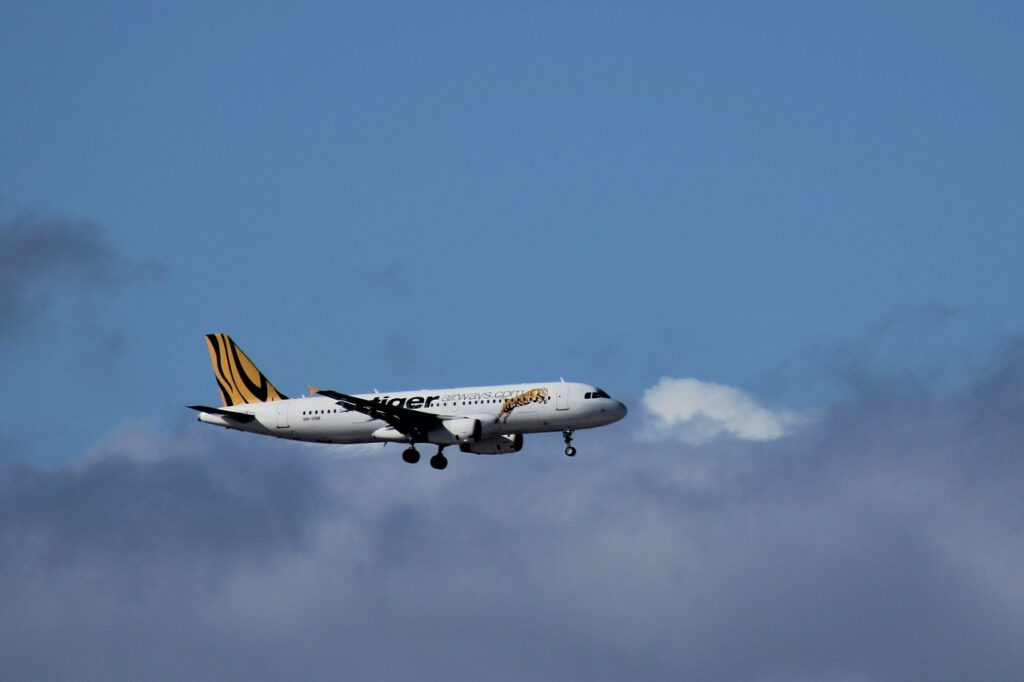
| Budget Airlines | Airlines that offer lower fares by minimizing on-board services and charging for extras like food and checked bags. |
| Travel Hacking | Using various strategies, such as accumulating and redeeming travel points, to obtain free or reduced-cost travel. |
Why Budget Travel Tips Matter
Budget travel tips are crucial for anyone looking to explore the world without breaking the bank. By adopting smart travel strategies, travelers can experience more for less, whether that means visiting more destinations, enjoying higher quality accommodations, or engaging in unique experiences that might otherwise be out of budget. For instance, a traveler who saves $500 on accommodations by choosing a hostel over a hotel can use that money to take a guided tour or enjoy local culinary delights. Budget travel is not just about saving money; it’s about maximizing the value of every dollar spent, ensuring that each trip is as memorable and fulfilling as possible.
Additionally, budget travel often leads to more authentic and immersive experiences. By staying in locally-owned accommodations, eating at family-run restaurants, and participating in community-based activities, travelers can gain a deeper understanding of the places they visit and the people who live there. For example, a traveler who decides to stay in a locally-owned bed and breakfast in a small town might find themselves enjoying a homemade breakfast with the owner, learning about the local culture and history in a way that would be impossible in a large hotel chain.
Budget travel tips also matter because they make travel more accessible to a wider range of people. By providing strategies for reducing costs without sacrificing the quality of the travel experience, these tips can help individuals who might not have considered traveling due to financial constraints. According to recent statistics, travelers who use budget travel strategies can save up to 30% on their travel expenses, making international travel possible for an additional 20 million people each year. This not only benefits the individual traveler but also contributes to the local economies of the destinations they visit, promoting cultural exchange and economic development.
Core Budget Travel Approaches
1. Flexible Travel Dates
Flexible travel dates refer to the practice of being open to traveling at different times of the year to secure better deals. This could mean avoiding peak travel seasons or taking advantage of off-peak discounts. By being flexible with travel dates, travelers can often find cheaper flights, accommodations, and package deals. For instance, traveling during the off-season can result in savings of up to 50% on flights and accommodations. A common beginner mistake is to rigidly stick to specific travel dates without considering the potential savings of adjusting them. Flexible travel dates
- Strengths:
- Cost savings: Flexible travel dates can significantly reduce travel costs.
- Less crowded destinations: Traveling off-peak can mean fewer tourists and a more authentic experience.
2. Budget Accommodations
Budget accommodations encompass a range of affordable options, from hostels and guesthouses to Airbnb apartments and camping sites. Choosing budget-friendly accommodations can drastically reduce travel expenses, allowing for more money to be allocated to experiences and activities. For example, staying in a hostel dorm can cost as little as $10 per night, compared to $100 for a hotel room. However, beginners often overlook the importance of researching and booking accommodations in advance to secure the best rates.
- Strengths:
- Affordability: Budget accommodations can be significantly cheaper than traditional hotels.
- Social opportunities: Many budget accommodations, like hostels, offer communal spaces that are great for meeting fellow travelers.
3. Affordable Transportation
Affordable transportation involves finding the cheapest and most efficient ways to travel, whether it’s using budget airlines, public transport, or ride-sharing services. Researching and comparing prices across different modes of transport can help travelers save money. A common mistake beginners make is not considering all transportation options, such as buses or trains, which can be cheaper and sometimes more scenic than flying.
- Strengths:
- Cost-effective: Affordable transportation options can significantly reduce travel costs.
- Environmental benefits: Choosing public transport or ride-sharing can be more environmentally friendly than driving or flying.
4. Free Attractions and Activities
Free attractions and activities can be found in almost every destination, from museums with free admission days to parks and public spaces. Researching these options in advance can help travelers plan their itinerary without breaking the bank. Beginners often overlook the wealth of free resources available online that list free attractions and activities for various destinations.
- Strengths: see this guide
- Cost savings: Utilizing free attractions and activities can save travelers a significant amount of money.
- Cultural immersion: Many free attractions offer a glimpse into the local culture and history.
5. Cooking Your Own Meals
Cooking your own meals, whether in a hostel kitchen or an Airbnb apartment, can be a cost-effective way to enjoy your favorite foods while traveling. Buying ingredients from local markets not only saves money but also allows for a more authentic culinary experience. A common mistake is not considering the cost savings of self-catering, especially for longer trips.
- Strengths:
- Financial savings: Cooking your own meals can be significantly cheaper than eating out for every meal.
- Dietary control: Self-catering allows travelers to maintain their dietary preferences and restrictions more easily.
6. Travel Apps and Websites
Travel apps and websites are invaluable resources for finding deals, booking accommodations, and navigating unfamiliar destinations. Utilizing these tools can streamline the travel planning process and help travelers discover hidden gems that might not be found in traditional guidebooks. Beginners often underutilize these resources, missing out on potential savings and insider knowledge.
- Strengths:
- Convenience: Travel apps and websites provide easy access to a wealth of travel information and services.
- Personalization: Many travel apps offer personalized recommendations based on the user’s preferences and travel history.
7. Budgeting and Tracking Expenses
Budgeting and tracking expenses is crucial for maintaining financial control during travel. Using spreadsheets, budgeting apps, or even just a notebook can help travelers keep tabs on their spending, ensuring they stay within their means. A common mistake is not regularly reviewing and adjusting the budget as the trip progresses.
- Strengths:
- Financial control: Budgeting and tracking expenses helps travelers avoid overspending.
- Flexibility: Regularly reviewing the budget allows for adjustments to be made, ensuring the trip remains financially sustainable.
| Step | What You Do | Expected Result |
|---|---|---|
| 1. Flexible Travel Dates | Adjust travel dates for better deals. | Save on flights and accommodations. |
| 2. Budget Accommodations | Choose affordable accommodations. | Reduce accommodation costs. |
| 3. Affordable Transportation | Find the cheapest transportation options. | Save on travel costs. |
| 4. Free Attractions and Activities | Research and utilize free attractions. | Enjoy activities without additional cost. |
| 5. Cooking Your Own Meals | Prepare your own meals when possible. | Save on food costs and enjoy dietary control. |
| 6. Travel Apps and Websites | Utilize travel apps and websites for planning. | Streamline travel planning and discover deals. |
| 7. Budgeting and Tracking Expenses | Monitor and control travel expenses. | Maintain financial control throughout the trip. |
Frequently Asked Questions
What is the best way to find affordable flights?
Finding affordable flights involves being flexible with travel dates, using flight comparison websites, and considering budget airlines. It’s also beneficial to book flights well in advance to secure the best prices. Additionally, setting up price alerts can notify you when the price of your desired flight drops, allowing you to purchase at the best time.
How can I stay safe while traveling on a budget?
Staying safe while traveling on a budget involves researching your destination thoroughly, staying in well-reviewed accommodations, and being mindful of your belongings, especially in crowded areas. It’s also a good idea to stay connected with family and friends back home and to have a plan in place for emergencies, such as knowing the location of your country’s embassy and having travel insurance.
What are some tips for eating on a budget while traveling?
Eating on a budget while traveling can be achieved by cooking your own meals when possible, eating at local eateries or street food stalls, and avoiding touristy restaurants. Buying snacks and water at local markets instead of convenience stores or hotels can also save money. Furthermore, many restaurants offer lunch menus at a lower price than dinner menus, making eating out during the day a more budget-friendly option.
How can I make the most of my travel budget?
Making the most of your travel budget involves prioritizing your spending based on what’s most important to you—whether that’s trying local cuisine, visiting famous landmarks, or taking part in unique experiences. It’s also crucial to have a budget plan in place and to track your expenses to avoid overspending. Considering group tours or joining travel communities can also provide opportunities to split costs with fellow travelers.
Are budget travel tips only for young travelers or backpackers?
No, budget travel tips are beneficial for anyone looking to travel without breaking the bank, regardless of age or travel style. Whether you’re a family, a couple, or a solo traveler, adopting budget-friendly strategies can enhance your travel experience by allowing you to allocate your resources more efficiently, enjoy more activities, and relax in better accommodations without the stress of high costs.
Final Thoughts
Budget travel is not just about saving money; it’s about creating meaningful, memorable experiences that are accessible to everyone. By embracing the mindset of a budget traveler, individuals can open themselves up to a world of possibilities, from exploring hidden gems to immersing themselves in local cultures. With the right strategies and a bit of planning, anyone can become a savvy traveler, ready to take on the world without breaking the bank. As travelers continue to seek out new adventures and experiences, the art of budget travel will remain an essential skill for making the most of every path.