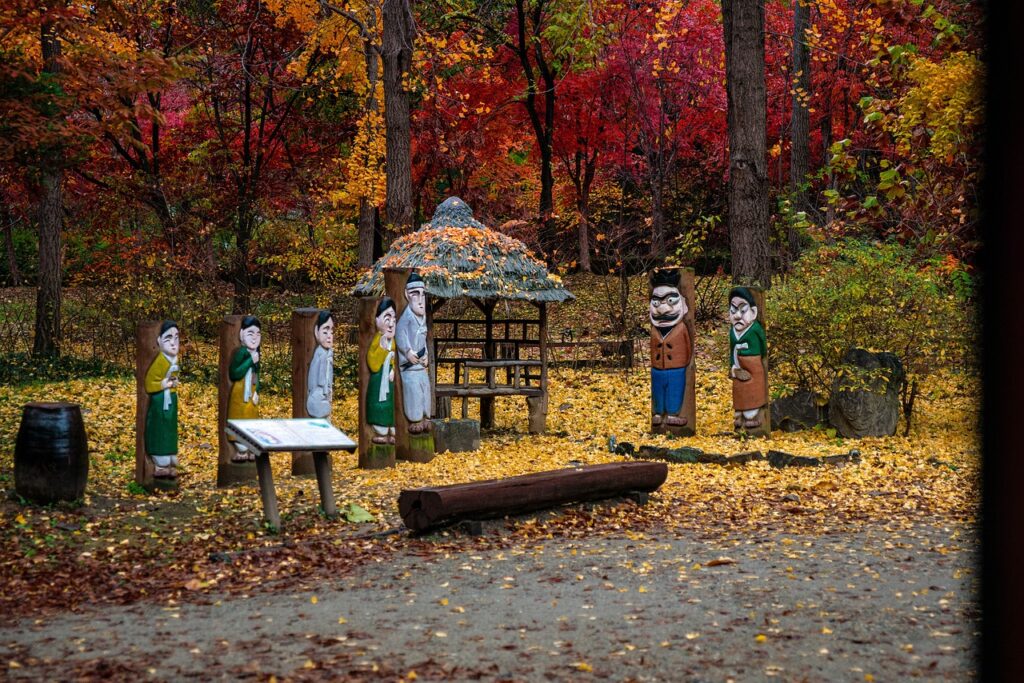

Folk tales and legends are changing the way we understand our cultural heritage and the world around us. From the ancient myths of Greece to the modern retellings of classic stories, these narratives have captivated audiences for centuries. The stories of old have the power to transport us to different eras and places, allowing us to experience the triumphs and struggles of people from diverse backgrounds. With the rise of global communication, folk tales and legends from around the world are now more accessible than ever, offering a unique window into the human experience. As a result, there is a growing interest in exploring and preserving these stories. The impact of folk tales and legends on modern society is undeniable, with many contemporary works of literature, film, and art drawing inspiration from these timeless narratives.
📝 Quick Navigation
Breaking Down Folk Tales and Legends
The term ‘folk tale’ refers to a story that has been passed down through oral tradition, often featuring supernatural or magical elements. Legends, on the other hand, are stories that are believed to be based on historical events or figures, but have been embellished over time. Both folk tales and legends have played a significant role in shaping the cultural identity of communities around the world. For example, the legend of King Arthur and the Knights of the Round Table has become an integral part of British folklore, while the folk tale of Anansi the Spider is a beloved story in African and Caribbean cultures. To better understand the context of folk tales and legends, it’s helpful to compare different types of traditional stories.
| Story Type | Description | Examples |
|---|---|---|
| Folk Tale | A story passed down through oral tradition, often featuring magical or supernatural elements. | Cinderella, Sleeping Beauty |
| Legend | A story based on historical events or figures, often embellished over time. | King Arthur, Robin Hood |
| Myth | A story that explains the origins of the world or natural phenomena. | Creation myths, Greek mythology |
| Fairytale | A story that features magical or supernatural elements, often with a happy ending. | Snow White, Beauty and the Beast |
The preservation of folk tales and legends is crucial for understanding the cultural heritage of a community. By studying these stories, researchers can gain insights into the values, beliefs, and traditions of a particular society. Furthermore, folk tales and legends have the power to bring people together, fostering a sense of community and shared identity. In many cultures, these stories are still an integral part of traditional festivals and celebrations, highlighting their ongoing significance in modern times. studying these stories
Latest Folk Tales and Legends Technologies
1. Digital Storytelling Platforms
Digital storytelling platforms have revolutionized the way folk tales and legends are shared and preserved. These online platforms allow users to access a vast collection of stories from around the world, often with interactive features and multimedia content. For example, the website Myths and Legends features a comprehensive collection of stories from various cultures, along with audio recordings and images. The use of digital technologies has made it possible to reach a wider audience and to engage people in the preservation of folk tales and legends.
- Advantages:
- Diverse collection of stories from around the world
- Interactive features and multimedia content
- Accessibility and reach to a wider audience
2. Oral Tradition Archives
Oral tradition archives are dedicated to preserving the spoken word and the stories that have been passed down through generations. These archives often feature audio and video recordings of storytellers, as well as transcripts and translations of the stories. The Smithsonian Folkways archive, for instance, has a vast collection of oral traditions from around the world, including folk tales, legends, and myths. By preserving these stories, oral tradition archives help to safeguard the cultural heritage of communities.
- Advantages:
- Preservation of the spoken word and traditional storytelling
- Access to a diverse collection of stories from around the world
- Opportunities for research and education
3. Storytelling Festivals and Events
Storytelling festivals and events have become increasingly popular, celebrating the art of traditional storytelling and the power of folk tales and legends. These festivals often feature live performances by storytellers, as well as workshops and lectures on the art of storytelling. The National Storytelling Festival in Jonesborough, Tennessee, is a prime example of such an event, attracting thousands of visitors each year. By promoting the art of storytelling, these festivals help to keep folk tales and legends alive.
- Advantages:
- Celebration of traditional storytelling and folk tales
- Opportunities for live performances and community engagement
- Promotion of cultural heritage and diversity
4. Folk Tale and Legend Research Centers
Folk tale and legend research centers are dedicated to the study and analysis of traditional stories. These centers often feature libraries and archives of folk tales and legends, as well as researchers and scholars who study these stories. The Center for Folklore and Ethnography at the University of Pennsylvania, for example, has a vast collection of folk tales and legends from around the world, and offers courses and programs on the study of traditional storytelling. By supporting research and scholarship, these centers help to advance our understanding of folk tales and legends. legend research centers
- Advantages:
- Access to comprehensive libraries and archives of folk tales and legends
- Opportunities for research and scholarship
- Collaboration with researchers and scholars from around the world
5. Community-Based Storytelling Initiatives
Community-based storytelling initiatives aim to promote the art of traditional storytelling and the preservation of folk tales and legends at the local level. These initiatives often involve workshops, storytelling circles, and other community-based activities that encourage people to share their stories and traditions. The Storytelling Project in Chicago, for instance, has established a network of community-based storytelling initiatives, providing a platform for people to share their stories and connect with others. By fostering a sense of community and shared identity, these initiatives help to keep folk tales and legends alive.
- Advantages:
- Promotion of traditional storytelling and community engagement
- Opportunities for people to share their stories and traditions
- Fostering a sense of community and shared identity
How This Affects Everyday Life
✔ Cultural Heritage Preservation
The preservation of folk tales and legends is crucial for understanding the cultural heritage of a community. By studying these stories, researchers can gain insights into the values, beliefs, and traditions of a particular society. Furthermore, folk tales and legends have the power to bring people together, fostering a sense of community and shared identity.
✔ Educational Opportunities Educational Opportunities
Folk tales and legends offer a unique window into the human experience, providing valuable lessons and insights into the world around us. By incorporating these stories into educational curricula, teachers can help students develop critical thinking and problem-solving skills, as well as a deeper understanding of different cultures and traditions.
✔ Community Engagement
Storytelling festivals and events have become increasingly popular, celebrating the art of traditional storytelling and the power of folk tales and legends. These festivals often feature live performances by storytellers, as well as workshops and lectures on the art of storytelling, promoting community engagement and social interaction.
✔ Therapeutic Benefits Therapeutic Benefits
Storytelling has been recognized as a therapeutic tool, offering a means of expression and communication for people of all ages. Folk tales and legends, in particular, have been used in therapy settings to help individuals cope with trauma, anxiety, and other mental health issues.
✔ Creative Inspiration
Folk tales and legends have inspired countless works of literature, art, and music throughout history. By drawing upon these traditional stories, artists and writers can tap into a rich cultural heritage, creating new and innovative works that reflect the diversity and complexity of human experience.
✔ Intergenerational Connection Intergenerational Connection
Folk tales and legends have the power to connect people across generations, providing a shared experience and a sense of continuity. By sharing these stories with children and grandchildren, families can foster a sense of tradition and cultural identity, promoting intergenerational understanding and respect.
Looking Ahead
- Predicted growth in digital storytelling platforms and online archives, making folk tales and legends more accessible than ever.
- Increased recognition of the importance of folk tales and legends in education, with a focus on incorporating these stories into school curricula.
- Growing interest in community-based storytelling initiatives, promoting the art of traditional storytelling and the preservation of folk tales and legends at the local level.
- Expansion of storytelling festivals and events, celebrating the art of traditional storytelling and the power of folk tales and legends.
- Greater emphasis on the therapeutic benefits of storytelling, with a focus on using folk tales and legends in therapy settings.
The rise of digital technologies has transformed the way we access and engage with folk tales and legends. As these platforms continue to evolve, we can expect to see even more innovative ways of sharing and preserving traditional stories.
By recognizing the value of folk tales and legends in education, teachers and policymakers can help students develop a deeper understanding of different cultures and traditions, promoting cross-cultural awareness and empathy.
As people become more aware of the importance of preserving folk tales and legends, community-based storytelling initiatives are likely to flourish, providing a platform for people to share their stories and connect with others. people become more
Storytelling festivals and events have become increasingly popular, and this trend is likely to continue, with more festivals and events being organized around the world to celebrate the art of traditional storytelling.
As the therapeutic benefits of storytelling become more widely recognized, we can expect to see a greater emphasis on using folk tales and legends in therapy settings, helping individuals to cope with trauma, anxiety, and other mental health issues.
| Country | Number of Folk Tales and Legends | Preservation Efforts |
|---|---|---|
| United States | 500+ | National Storytelling Festival, Smithsonian Folkways archive |
| United Kingdom | 300+ | British Library sound archive, Storytelling Festival in London |
| India | 1000+ | National Folklore Support Centre, Indian Storytelling Festival |
| China | 2000+ | Chinese Folklore Society, Beijing Storytelling Festival |
Key Takeaways
Folk tales and legends are an integral part of human culture, offering a unique window into the human experience and providing valuable lessons and insights into the world around us. The preservation of these stories is crucial for understanding the cultural heritage of a community, and their impact on modern society is undeniable. As we look to the future, it is essential to recognize the importance of folk tales and legends in education, community engagement, and therapy, and to support efforts to preserve and promote these traditional stories.
The study of folk tales and legends is a complex and multidisciplinary field, drawing upon anthropology, sociology, psychology, and literature. By exploring these stories and their significance, researchers can gain a deeper understanding of the human experience and the cultural heritage of communities around the world.
Ultimately, the significance of folk tales and legends lies in their ability to connect people across cultures, generations, and geographical boundaries, promoting cross-cultural awareness, empathy, and understanding. As we continue to navigate the complexities of the modern world, the preservation and promotion of folk tales and legends are more important than ever, offering a powerful tool for building bridges between communities and fostering a sense of shared humanity.