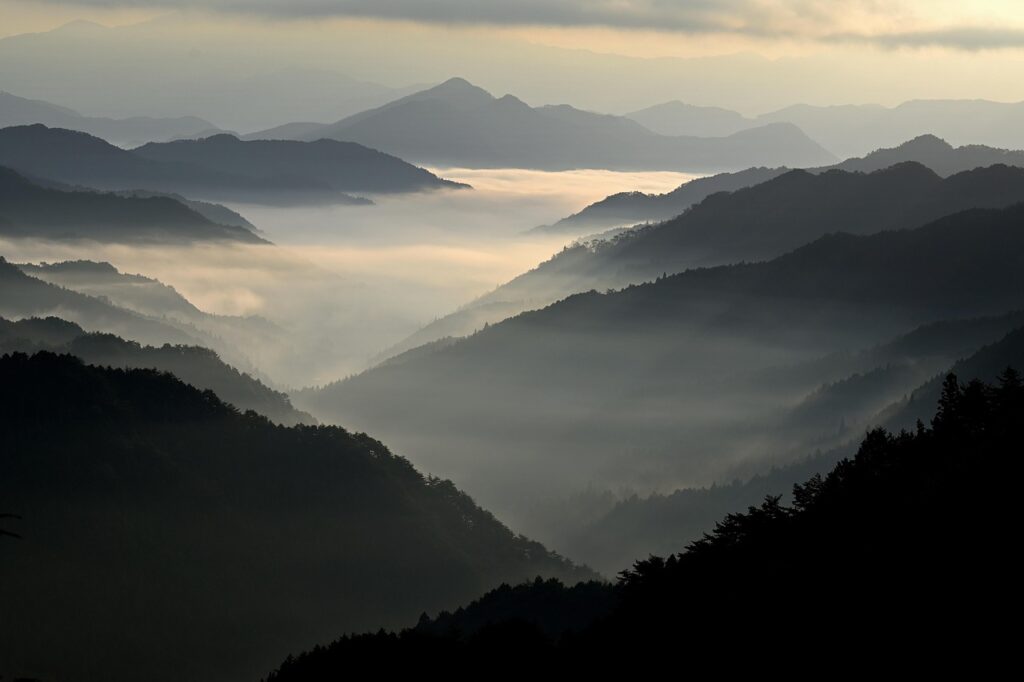

Many adventurers underestimate the complexity of mountain travel, often overlooking critical factors such as weather, terrain, and physical conditioning. Choosing the right approach matters, as it can significantly impact the success and safety of the trip. According to industry studies, improper planning and preparation are among the leading causes of accidents in mountainous regions. Data from 2024 suggests that nearly 70% of mountain travel incidents could have been prevented with adequate training and experience. Moreover, understanding the unique challenges of mountain environments is crucial for a successful and enjoyable path.
📝 What You'll Learn
Defining Mountain Travel
Mountain travel encompasses a broad range of activities, including hiking, climbing, skiing, and backpacking, each with its unique set of challenges and requirements. To navigate these environments effectively, it is essential to understand the key factors that influence mountain travel, such as altitude, weather, and terrain. A solid grasp of these elements is vital for assessing risk, planning routes, and making informed decisions. For instance, altitude sickness can be a significant concern at high elevations, while unpredictable weather patterns can pose a threat to even the most experienced travelers.
To evaluate the suitability of different mountain travel options, several key metrics must be considered. The following table outlines some of the most critical factors to assess:
| Metric | Description | Importance |
|---|---|---|
| Altitude | Elevation above sea level | High |
| Terrain Difficulty | Steepness, exposure, and technical challenges | High |
| Weather Forecast | Predicted weather conditions for the trip | High |
| Physical Conditioning | Traveler’s fitness level and health status | High |
Mountain Travel Methods Worth Knowing
Glacier Travel
Glacier travel involves navigating icy, crevassed terrain, requiring specialized equipment and techniques. This method is essential for accessing high-altitude, glacier-covered peaks. Glacier travel demands a high level of physical fitness, as well as expertise in crevasse rescue and ice climbing.
- Why It Works:
- Allows access to unique, high-altitude environments
- Provides opportunities for ice climbing and crevasse rescue training
- Enhances physical conditioning and mental toughness
- What Needs Work:
- Requires specialized equipment and training
- Presents significant risks, including crevasse falls and avalanches
Best for: Experienced adventurers seeking to explore high-altitude, glacier-covered peaks.
Avalanche Safety
Avalanche safety is critical for navigating snow-covered terrain, particularly in areas prone to slides. This method involves assessing slope stability, using specialized equipment, and following established protocols. Avalanche safety training is essential for anyone traveling in snowy, mountainous environments.
- Why It Works:
- Reduces the risk of avalanche-related accidents
- Enhances situational awareness and decision-making
- Provides a framework for assessing and mitigating risk
- What Needs Work:
- Requires ongoing training and practice to maintain proficiency
- Demands a high level of situational awareness and attention to detail
Best for: Travelers venturing into snowy, mountainous environments, particularly those with limited experience.
High-Altitude Climbing
High-altitude climbing involves ascending peaks above 8,000 meters, posing significant physiological and technical challenges. This method requires extensive training, experience, and physical conditioning. Climbers must also be adept at assessing and managing altitude-related risks.
- Why It Works:
- Provides access to the world’s highest, most spectacular peaks
- Develops advanced climbing skills and physical conditioning
- Enhances mental toughness and resilience
- What Needs Work:
- Presents significant physiological risks, including altitude sickness
- Requires extensive training, experience, and physical conditioning
Presents significant physiological
Best for: Experienced, well-conditioned climbers seeking to tackle the world’s highest peaks.
Backcountry Skiing
Backcountry skiing involves skiing in untracked, natural environments, often accessed by hiking or snowshoeing. This method requires a strong foundation in skiing, as well as knowledge of avalanche safety and wilderness travel.
- Why It Works:
- Provides access to untouched, powder snow
- Develops advanced skiing skills and physical conditioning
- Enhances wilderness travel and navigation skills
- What Needs Work:
- Requires a strong foundation in skiing and avalanche safety
- Presents risks, including avalanches and tree wells
Best for: Skiers seeking to explore untracked, natural environments and develop advanced skiing skills.
Mountaineering
Mountaineering encompasses a broad range of activities, including rock, ice, and alpine climbing. This method requires a strong foundation in climbing techniques, as well as knowledge of anchor placement, rope management, and crevasse rescue.
- Why It Works:
- Provides access to a wide range of climbing environments and routes
- Develops advanced climbing skills and physical conditioning
- Enhances problem-solving and decision-making abilities
- What Needs Work: What Needs Work
- Requires a strong foundation in climbing techniques and safety protocols
- Presents significant risks, including falls and equipment failure
Best for: Climbers seeking to develop advanced climbing skills and tackle a wide range of routes and environments.
| Option | Best For | Difficulty | Cost | Speed |
|---|---|---|---|---|
| Glacier Travel | Experienced adventurers | High | High | Slow |
| Avalanche Safety | Snowy, mountainous environments | Medium | Medium | Medium |
| High-Altitude Climbing | Experienced, well-conditioned climbers | Extremely High | Very High | Slow |
| Backcountry Skiing | Experienced skiers | Medium | Medium | Fast |
| Mountaineering | Experienced climbers | High | High | Slow |
How to Choose the Right One
When selecting a mountain travel method, several key factors must be considered, including physical conditioning, experience level, and personal goals. Travelers must assess their own abilities and limitations, as well as the demands of the chosen activity. For instance, high-altitude climbing requires a strong foundation in climbing techniques, as well as extensive physical conditioning and experience.
Risk management is another critical consideration, as mountain travel inherently involves risks such as avalanches, crevasses, and exposure. Travelers must be aware of these hazards and take steps to mitigate them, including assessing slope stability, using specialized equipment, and following established protocols.
Environmental factors, such as weather and terrain, must also be carefully evaluated. Travelers must be prepared for unpredictable conditions, including snowstorms, rockfall, and glaciers. A thorough understanding of these factors is essential for navigating mountain environments safely and effectively. Environmental factors such
Additionally, logistical considerations, such as transportation, accommodation, and gear, must be carefully planned and managed. Travelers must ensure they have the necessary resources and support to complete their path safely and successfully.
Ultimately, the choice of mountain travel method will depend on a combination of these factors, as well as personal preferences and goals. By carefully evaluating these considerations, travelers can select the most suitable method for their needs and abilities, ensuring a safe and enjoyable experience.
What This Means in Practice
By applying advanced mountain travel strategies, adventurers can enhance their safety and reduce risk. This involves developing a thorough understanding of the environment, as well as the skills and knowledge necessary to navigate it effectively. For example, glacier travel requires a strong foundation in crevasse rescue and ice climbing, while avalanche safety demands a thorough understanding of slope stability and weather patterns.
Furthermore, physical conditioning is critical for mountain travel, as it enables travelers to tackle challenging terrain and withstand the physical demands of the path. A well-conditioned traveler can better withstand the rigors of high-altitude climbing, for instance, and is less likely to experience altitude sickness or other physical complications.
Moreover, environmental awareness is essential for responsible and sustainable mountain travel. Travelers must be mindful of their impact on the environment, taking steps to minimize waste, protect wildlife, and preserve natural habitats. This includes following established protocols for waste disposal, respecting protected areas, and avoiding sensitive ecosystems.
In addition, logistical planning is critical for ensuring a successful and enjoyable path. Travelers must carefully plan and manage their itinerary, including transportation, accommodation, and gear. This involves researching and booking suitable accommodations, arranging for transportation, and packing the necessary equipment and supplies.
By adopting a flexible and adaptable approach, travelers can better respond to changing conditions and unexpected challenges. This involves being prepared for unpredictable weather, adapting to changes in the terrain, and adjusting the itinerary as needed. A flexible approach also enables travelers to take advantage of opportunities as they arise, such as favorable weather conditions or unexpected discoveries.
Ultimately, effective communication is critical for ensuring a safe and successful path. Travelers must be able to communicate clearly and effectively with their team, as well as with local guides, authorities, and emergency services. This involves developing a clear and concise communication plan, including protocols for emergency situations and regular check-ins.
What It All Means
The key to successful mountain travel lies in careful planning, thorough preparation, and a deep understanding of the environment. By evaluating their own abilities and limitations, as well as the demands of the chosen activity, travelers can select the most suitable method for their needs and goals. With the right approach and mindset, adventurers can navigate mountain environments safely and effectively, unlocking a world of thrilling experiences and unforgettable landscapes.
By adopting advanced mountain travel strategies, travelers can enhance their experience and reduce risk, while also contributing to the preservation of these unique and fragile environments. This involves developing a thorough understanding of the environment, as well as the skills and knowledge necessary to navigate it effectively.
Ultimately, the art of mountain travel is a continual learning process, requiring a commitment to ongoing education, training, and self-improvement. By embracing this mindset, adventurers can stay ahead of the curve, adapting to new challenges and opportunities as they arise, and unlocking the full potential of their mountain travel experiences.