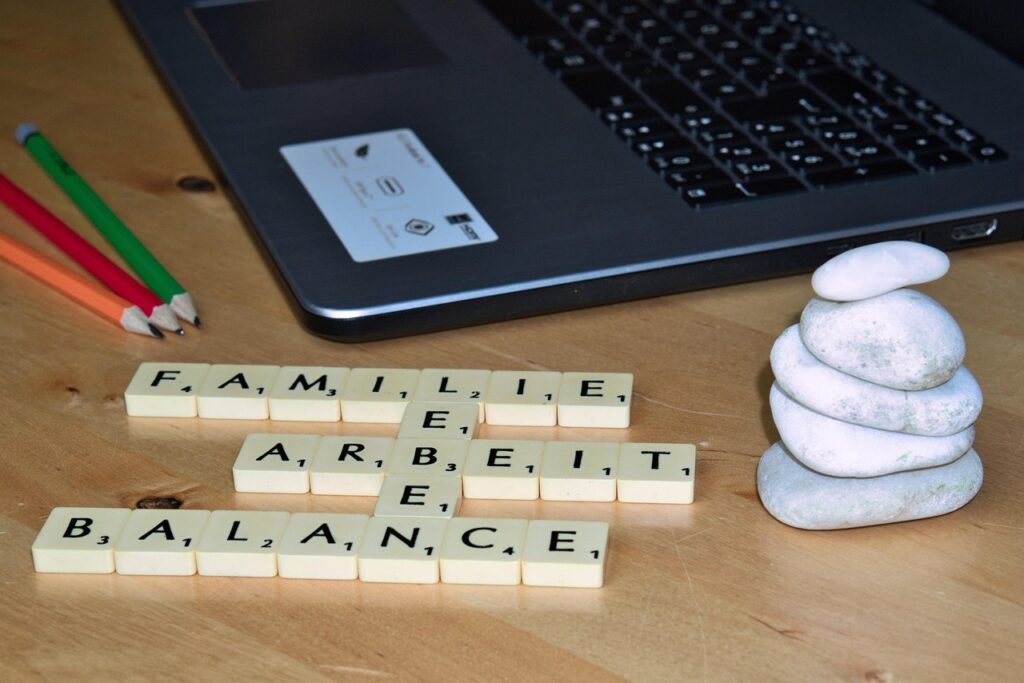

Achieving work-life balance is a pervasive challenge that affects millions of people worldwide, leading to burnout, decreased productivity, and strained personal relationships. Despite its importance, many individuals struggle to find a balance between their professional and personal lives, often due to misconceptions about what work-life balance truly means. The concept of work-life balance is changing the way people approach their daily lives, forcing a reevaluation of priorities and boundaries. The frustration of being unable to disconnect from work or feeling guilty for taking personal time is a common experience.
📝 What's In This Article
Common Challenges With Understanding Work-life balance (common mistakes)
Assuming Work-Life Balance Means Equal Time
The assumption that work-life balance requires allocating equal time to work and personal life is a common misconception. This approach fails to consider individual priorities, needs, and circumstances. It happens because societal pressure and traditional norms often emphasize the importance of dedication to work, leading to an imbalance in favor of professional commitments. As a result, people may overwork, sacrificing personal time and well-being.
Not Setting Clear Boundaries
Failing to establish clear boundaries between work and personal life is another significant challenge. Without boundaries, work can encroach upon personal time, leading to burnout and conflict with family and friends. This occurs because the lines between work and personal life have become increasingly blurred due to technological advancements and the culture of constant connectivity. Consequently, individuals may find it difficult to disconnect from work-related tasks and responsibilities.
Ignoring Personal Priorities
Overlooking personal priorities and needs is a critical mistake in achieving work-life balance. Focusing solely on work responsibilities can lead to neglect of personal well-being, relationships, and hobbies. This happens when individuals prioritize their professional roles over their personal identities, often due to external pressures or internal drives for success. As a result, personal aspects of life begin to suffer, leading to dissatisfaction and imbalance. Overlooking personal priorities
Not Communicating Needs Effectively
Failure to communicate personal and professional needs effectively to employers, family, and friends is a common challenge. This lack of communication can lead to misunderstandings, unrealistic expectations, and conflict. It occurs because individuals may fear negative repercussions, such as being seen as uncommitted to their jobs or being a burden to their loved ones. Effective communication is key to setting realistic boundaries and achieving support from all parties involved.
Believing in the Myth of Multitasking
The belief in the efficiency of multitasking is another misconception that hinders work-life balance. Attempting to handle work and personal tasks simultaneously can lead to inefficiency, stress, and decreased quality of work and personal time. This myth persists due to the misconception that doing multiple things at once saves time and increases productivity. However, research indicates that focusing on a single task at a time yields better results and reduces overall stress.
Core Work-Life Balance Approaches
1. Prioritize Self-Care
Prioritizing self-care is fundamental to achieving work-life balance. This involves recognizing the importance of personal well-being and taking conscious steps to maintain it, such as exercising regularly, eating a balanced diet, and getting adequate sleep. Implementing self-care practices requires scheduling personal time into the daily planner, just as one would any other important appointment. This not only improves physical health but also enhances mental resilience and ability to manage stress.
- Strengths: Improves physical and mental health, increases energy levels, enhances resilience to stress.
- Supports better sleep quality, which is essential for both physical and mental restoration.
- Encourages a healthier lifestyle, contributing to overall well-being and life satisfaction.
2. Set Realistic Boundaries
Setting realistic boundaries is crucial for distinguishing between work and personal life. This involves establishing clear expectations with employers, colleagues, family, and friends about availability and work hours. Implementing boundaries requires effective communication and may involve negotiating flexible work arrangements or learning to say no to non-essential tasks.
- Strengths: Helps in avoiding burnout by limiting work to designated hours.
- Encourages respect for personal time and space from others.
- Supports the development of healthier relationships based on mutual respect and understanding.
3. Engage in Activities Outside of Work
Participating in hobbies and interests outside of work is essential for maintaining a work-life balance. This helps in developing a personal identity beyond professional roles, fostering creativity, and providing an outlet for stress. Engaging in external activities requires dedicating time to explore and pursue personal interests, whether that be reading, painting, or volunteering.
- Strengths: Enhances creativity and innovation, which can also benefit professional life.
- Provides a healthy distraction from work-related stress and pressures.
- Supports the development of new skills and personal growth.
4. Learn to Delegate and Ask for Help
Learning to delegate tasks and ask for help when needed is a vital skill for achieving balance. This applies to both professional and personal responsibilities, allowing for the distribution of workload and sharing of personal burdens. Implementing delegation and seeking help requires identifying trustworthy individuals, whether colleagues, family, or friends, and communicating needs clearly.
- Strengths: Reduces workload and stress by sharing responsibilities.
- Encourages teamwork and collaboration in professional settings.
- Fosters stronger, more supportive personal relationships.
5. Practice Time Management
Effective time management is key to balancing work and personal life. This involves prioritizing tasks, setting realistic deadlines, and avoiding procrastination. Practicing good time management requires the use of organizational tools, such as planners or apps, and regularly reviewing and adjusting schedules as needed.
- Strengths: Increases productivity and efficiency in both work and personal tasks.
- Reduces stress and feelings of overwhelm by providing a sense of control over time.
- Supports the achievement of goals and deadlines, leading to a sense of accomplishment.
6. Embrace Flexibility
Embracing flexibility is crucial in today’s fast-paced and ever-changing environment. This means being adaptable to new situations, challenges, and opportunities, whether in professional or personal life. Implementing flexibility requires a mindset shift, from rigid planning to open-ended possibilities, and the ability to adjust plans as circumstances change.
- Strengths: Enhances resilience and ability to cope with unexpected challenges.
- Supports personal and professional growth by embracing new experiences and learning opportunities.
- Fosters a positive attitude towards change, leading to greater life satisfaction.
| Approach | Old Way | Better Way | Result |
|---|---|---|---|
| Time Management | Strict, inflexible scheduling | Prioritizing tasks with realistic deadlines and flexibility | Increased productivity and reduced stress |
| Work Boundaries | Constant availability for work | Setting clear work hours and personal time | Improved work-life balance and respect for personal time |
| Self-Care | Neglecting personal well-being for work | Prioritizing self-care activities and health | Enhanced physical and mental well-being |
| Communication | Assuming others understand needs | Effective and open communication of needs and boundaries | Stronger, more supportive relationships |
| Flexibility | Resistance to change and new challenges | Embracing flexibility and adaptability | Increased resilience and ability to cope with challenges |
How This Affects Everyday Life
Achieving a better work-life balance can significantly affect everyday life, starting with improved mental and physical health. By prioritizing self-care and setting realistic boundaries, individuals can reduce stress and increase energy levels, leading to better performance in both professional and personal roles. Moreover, engaging in activities outside of work can enhance creativity and provide a sense of fulfillment, contributing to overall life satisfaction.
The impact of work-life balance is also seen in personal relationships. By communicating needs effectively and setting boundaries, individuals can foster healthier and more supportive relationships with family and friends. This, in turn, can lead to a stronger sense of belonging and connection, which is essential for emotional well-being.
Additionally, embracing flexibility and learning to delegate tasks can lead to greater efficiency and productivity, both at work and in personal life. This not only reduces the feeling of overwhelm but also allows for the pursuit of personal interests and goals, leading to a more balanced and fulfilling life.
Furthermore, achieving work-life balance can influence professional success. By managing time effectively, prioritizing tasks, and maintaining a healthy work environment, individuals can increase their productivity and performance at work. This, combined with a positive and resilient mindset, can lead to better career opportunities and a greater sense of professional fulfillment. Furthermore achieving worklife
Lastly, the benefits of work-life balance extend to societal and economic levels. When individuals achieve a better balance between their work and personal lives, they are more likely to contribute positively to their communities and support local economies. This, in turn, can lead to more stable and prosperous communities, where individuals can thrive and reach their full potential.
Step-by-Step Action Plan
- Identify personal priorities and values to understand what a balanced life means, because recognizing individual needs and aspirations is crucial for setting realistic goals and expectations. This step is essential for creating a personalized plan that aligns with one’s unique circumstances and objectives.
- Assess current work and personal life to pinpoint areas of imbalance, which involves evaluating the distribution of time, energy, and resources across different aspects of life. This assessment is critical for understanding where changes are needed and for developing strategies to address these imbalances.
- Communicate needs and boundaries clearly to all stakeholders, including employers, family, and friends, as open and effective communication is vital for setting realistic expectations and achieving support. This step requires assertiveness and the ability to express needs in a respectful and considerate manner.
- Implement self-care practices, such as regular exercise, healthy eating, and sufficient sleep, because taking care of physical and mental health is fundamental to maintaining energy and resilience. These practices should be integrated into daily routines to ensure consistency and effectiveness.
- Learn to delegate tasks and ask for help when necessary, which involves identifying trustworthy individuals and communicating needs clearly. This skill is essential for reducing workload, sharing responsibilities, and fostering teamwork and collaboration.
- Practice effective time management by prioritizing tasks, setting realistic deadlines, and avoiding procrastination, because managing time efficiently is critical for achieving balance and reducing stress. This requires discipline, organization, and the ability to focus on high-priority tasks.
- Review and adjust the approach regularly to ensure it remains aligned with changing needs and priorities, because flexibility and adaptability are key to maintaining balance in a dynamic and ever-changing environment. This ongoing evaluation and adjustment process is necessary for addressing new challenges and opportunities as they arise.
Wrapping Up
Achieving work-life balance is a complex and ongoing process that requires awareness, commitment, and the right strategies. By understanding common mistakes, adopting core approaches, and taking action, individuals can create a more sustainable and fulfilling balance between their professional and personal lives. This path towards balance is unique to each individual and involves continuous learning, growth, and adaptation. As the world continues to evolve, the importance of work-life balance will only continue to grow, making it an essential aspect of modern life. The future of work and personal well-being depends on the ability to navigate and thrive in this balance, leading to a more resilient, productive, and satisfied global community.