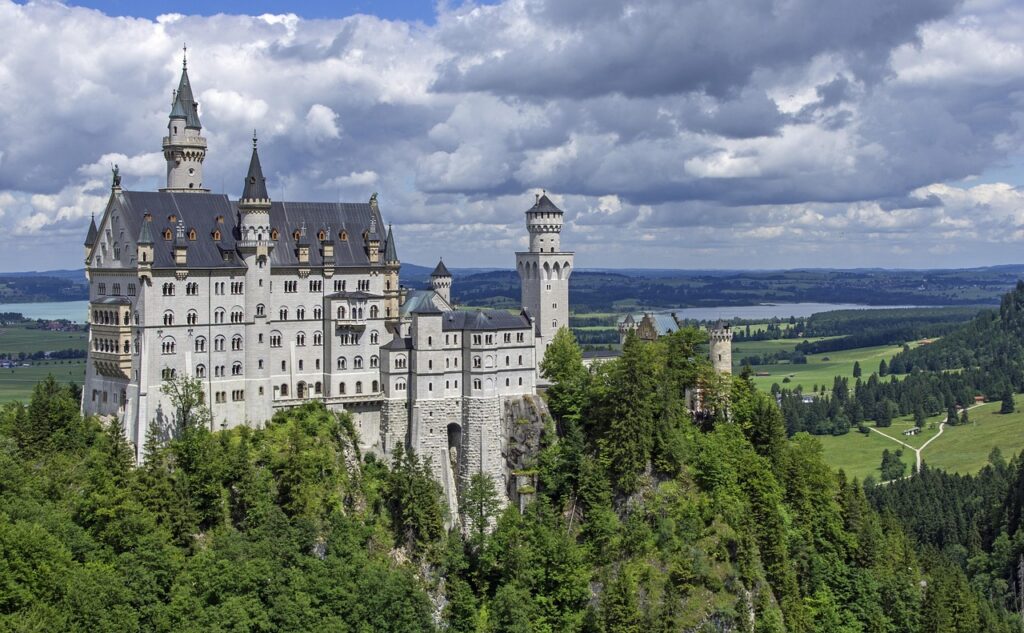

Imagine stepping into the Colosseum in Rome, Italy, or walking along the Great Wall of China, feeling the weight of centuries of history beneath your feet. For a beginner, approaching historical landmarks can be daunting, with so much to learn and discover. Historical landmarks are not just ancient structures or monuments; they are gateways to understanding civilizations, cultures, and the evolution of humanity. With over 1,000 recognized historical landmarks around the world, the path of discovery is endless. Each landmark tells a unique story of its time, reflecting the technological, social, and political advancements of its era. Whether it’s the majestic pyramids of Egypt or the intricate carvings of the Taj Mahal, every landmark is a testament to human ingenuity and creativity.
📝 Quick Navigation
A Closer Look at Historical Landmarks
Historical landmarks are sites or structures of historical significance, recognized for their cultural, architectural, or political importance. They can range from ancient ruins and monuments to historical buildings and even natural sites that have played a significant role in history. Understanding historical landmarks requires a grasp of their context within history, including the events, people, and cultures that shaped them. The study and preservation of these landmarks are crucial for educating future generations about their heritage and the importance of cultural diversity.
| Term | Plain-English Meaning |
|---|---|
| Monument | A structure built to commemorate a person, event, or culture. |
| Heritage Site | A location deemed significant by a governmental or international organization due to its cultural or natural importance. |
| Archaeological Site | A place where remains of the past, such as artifacts or structures, are studied to understand prehistoric or historic cultures. |
| Conservation | The act of preserving or protecting historical landmarks from decay, damage, or destruction. |
| Tourism | The practice of traveling to historical landmarks for leisure, often supporting local economies and promoting cultural exchange. |
Why Historical Landmarks Matter
The significance of historical landmarks cannot be overstated, as they serve as tangible connections to the past. For instance, the preservation of the Acropolis in Athens, Greece, has not only allowed for a deeper understanding of ancient Greek culture but has also become a symbol of national pride. Historical landmarks like the Acropolis attract millions of visitors each year, contributing significantly to local and national economies. In 2020, tourism related to historical landmarks generated over $1 trillion in economic output worldwide, supporting nearly 200 million jobs. Moreover, these sites play a crucial role in education, offering a hands-on approach to learning about history, architecture, and cultural diversity.
Beyond their economic and educational value, historical landmarks also hold profound cultural and historical significance. The Great Pyramid of Giza, for example, is one of the Seven Wonders of the Ancient World and stands as a testament to the engineering prowess and organizational capabilities of the ancient Egyptians. Similarly, the Statue of Liberty in New York City is not just a monument but a symbol of freedom and democracy, welcoming millions of immigrants to the United States over the years. These landmarks serve as reminders of human achievements, failures, and the continuous evolution of societies.
The impact of historical landmarks on local communities is also noteworthy. In many cases, these sites are central to the identity and heritage of the communities surrounding them. The management and preservation of historical landmarks often involve collaboration between local authorities, international organizations, and the community, fostering a sense of shared responsibility and pride. For example, the city of Petra in Jordan has seen significant economic growth due to tourism, with locals benefiting from jobs in the service sector and the preservation of their historical heritage.
Leading Historical Landmarks Solutions
1. Conducting Historical Research
Conducting Historical Research
Conducting historical research is the first step in understanding and appreciating historical landmarks. This involves studying the period, events, and cultures associated with the landmark. Researchers use a variety of sources, including historical texts, archaeological findings, and oral traditions. By doing so, they can provide a comprehensive context for the landmark, making it more accessible and meaningful to visitors. A common beginner mistake in this step is relying too heavily on secondary sources without verifying information through primary sources.
- Strengths: Provides a deep understanding of the landmark’s historical significance, allows for a more engaging and informed visit, supports educational goals.
- Enhances the visitor’s experience by offering insights into the landmark’s cultural and historical context.
2. Engaging Guided Tours
Engaging guided tours are an excellent way to explore historical landmarks, especially for beginners. These tours are led by knowledgeable guides who can share detailed information about the landmark, including its history, architectural features, and cultural significance. Guides can also provide insights into lesser-known aspects of the landmark and answer questions from visitors. However, a common mistake is not choosing a guide service that is accredited or reputable, which can lead to inaccurate information.
- Strengths: Offers an in-depth and personalized experience, allows for real-time questions and interactions, can be tailored to fit the interests and knowledge level of the visitors.
- Supports local economies by promoting guide services and related tourism activities.
3. Utilizing Digital Resources
Utilizing digital resources is becoming increasingly popular for exploring historical landmarks. This can include virtual tours, mobile apps, and online databases that provide detailed information about landmarks around the world. Digital resources can offer a preliminary introduction to a landmark before a visit, enhancing the overall experience. A common mistake is not verifying the credibility of digital sources, which can lead to misinformation.
- Strengths: Accessible from anywhere, provides a flexible and self-paced learning experience, often includes multimedia content for a more engaging experience.
- Can reach a wider audience, including those who may not be able to visit the landmark in person due to geographical or physical constraints.
4. Supporting Conservation Efforts
Supporting conservation efforts is crucial for the long-term preservation of historical landmarks. This can involve donating to reputable conservation organizations, participating in local preservation initiatives, or simply by being a responsible visitor and respecting the landmark and its surroundings. Conservation is essential to protect landmarks from natural deterioration, human neglect, or intentional damage. A common beginner mistake is not researching the conservation organization before donating.
- Strengths: Contributes to the preservation of cultural and historical heritage, supports the work of local and international conservation organizations, raises awareness about the importance of conservation.
- Helps ensure that historical landmarks remain accessible for future generations to learn from and appreciate.
5. Encouraging Sustainable Tourism
Encouraging sustainable tourism is vital for the management of historical landmarks. This involves adopting practices that minimize the negative impact of tourism on the landmark and its environment, such as reducing waste, respecting local customs, and not engaging in activities that could damage the site. Sustainable tourism supports the local economy while preserving the landmark for future visitors. A common mistake is not choosing tour operators that follow sustainable tourism practices.
- Strengths: Promotes the long-term viability of historical landmarks, supports local communities economically and culturally, enhances the visitor experience by preserving the integrity of the site.
- Fosters a sense of responsibility among tourists, encouraging them to become ambassadors for historical preservation and cultural respect.
6. Participating in Educational Programs
Participating in educational programs related to historical landmarks is an engaging way to deepen one’s understanding and appreciation of these sites. Many landmarks offer workshops, lectures, and courses that cater to various age groups and interests. These programs can provide hands-on experiences, such as archaeological digs, restoration projects, or cultural festivals. A common beginner mistake is not selecting programs that align with one’s interests or skill level.
- Strengths: Offers a hands-on and immersive learning experience, provides opportunities to meet like-minded individuals, can include behind-the-scenes access to landmarks and their conservation efforts.
- Supports personal development by fostering new skills and knowledge in areas such as history, architecture, and cultural heritage management.
7. Joining Community Initiatives
Joining community initiatives is a meaningful way to engage with historical landmarks and contribute to their preservation. Community initiatives can range from volunteer clean-up days to historical reenactments and cultural events. These activities not only support the landmark but also build a sense of community among participants. A common mistake is not committing to the initiative for the long term.
- Strengths: Fosters community engagement and ownership of historical landmarks, provides opportunities for social interaction and networking, supports the preservation and promotion of local heritage.
- Encourages a sense of belonging and responsibility towards the landmark and its surrounding community.
| Step | What You Do | Expected Result |
|---|---|---|
| 1. Conduct Historical Research | Study the landmark’s history and context. | Deep understanding of the landmark. |
| 2. Engage Guided Tours | Join a guided tour of the landmark. | Personalized and informed experience. |
| 3. Utilize Digital Resources | Use digital tools to explore the landmark. | Flexible and accessible learning experience. |
| 4. Support Conservation Efforts | Donate to or participate in conservation activities. | Contribution to the landmark’s preservation. |
| 5. Encourage Sustainable Tourism | Adopt sustainable tourism practices. | Minimized negative impact on the landmark and its environment. |
| 6. Participate in Educational Programs | Enroll in workshops, lectures, or courses related to the landmark. | Deeper understanding and appreciation of the landmark. |
| 7. Join Community Initiatives | Participate in community events and volunteer activities. | Stronger community engagement and sense of responsibility towards the landmark. |
Frequently Asked Questions
1. What is the importance of historical landmarks in modern society?
Historical landmarks are important because they serve as reminders of the past, contributing to our understanding of how societies have evolved. They also play a significant role in education, tourism, and the preservation of cultural heritage. Moreover, they can be symbols of national or local identity, fostering a sense of community and shared history among people.
2. How can one contribute to the preservation of historical landmarks?
Contributions to the preservation of historical landmarks can be made in various ways, including donating to conservation efforts, participating in volunteer work, adopting sustainable tourism practices, and supporting local communities that manage these sites. Educational programs and community initiatives also offer avenues for involvement. Furthermore, spreading awareness about the importance of historical landmarks and the challenges they face can encourage others to take action.
3. What are some common challenges faced by historical landmarks?
Historical landmarks face a range of challenges, including natural deterioration, human impact such as vandalism or over-tourism, lack of funding for conservation, and environmental factors like climate change. Additionally, landmarks in conflict zones or areas of political instability are at risk of destruction or damage. Addressing these challenges requires a concerted effort from local communities, governments, and international organizations.
4. How can beginners start exploring historical landmarks?
Beginners can start exploring historical landmarks by conducting preliminary research, choosing landmarks that align with their interests, and planning visits that include guided tours or educational programs. Utilizing digital resources and joining community initiatives are also great ways to engage with historical landmarks. Starting with local or lesser-known landmarks can provide a more personal and less overwhelming experience, gradually building up to more famous or complex sites.
5. What role do historical landmarks play in cultural heritage preservation?
Historical landmarks play a pivotal role in cultural heritage preservation by serving as tangible links to the past, embodying the cultural, architectural, and historical achievements of previous generations. They provide a physical space for cultural expression, traditional practices, and community engagement, thereby preserving intangible aspects of heritage as well. The preservation of these landmarks ensures that future generations can learn from, appreciate, and build upon the cultural legacy of their ancestors.
The Big Picture
Historical landmarks are more than just relics of the past; they are living, breathing entities that continue to inspire, educate, and captivate people from all corners of the globe. As we look to the future, it is imperative that we prioritize the preservation and appreciation of these sites, not just for their historical significance but for the role they play in shaping our understanding of ourselves and our place in the world. By embracing historical landmarks, we embrace our shared humanity and the rich mix of cultures that define us.
Embracing the path of discovering historical landmarks opens doors to new experiences, knowledge, and connections. Whether through research, tourism, conservation, or community engagement, every effort counts in the preservation of our collective cultural heritage. As the world moves forward, the importance of historical landmarks as bridges between the past, present, and future becomes increasingly evident, reminding us of the power of history to unite and inspire us.
In the end, the significance of historical landmarks extends beyond their historical or cultural value, speaking to fundamental aspects of human identity, community, and our enduring quest to understand and connect with one another across time and space. By cherishing and protecting these landmarks, we ensure that the stories, achievements, and lessons of the past continue to illuminate our path forward, enriching our present and informing our future.