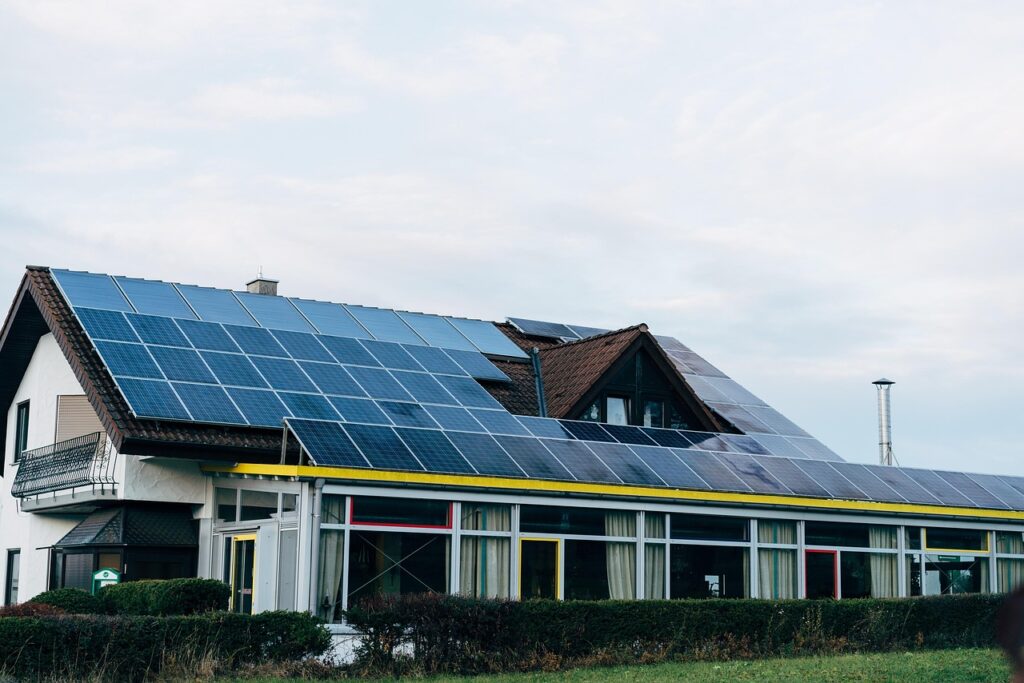

For anyone just discovering the concept of sustainable living, it’s essential to understand the significant difference it can make in daily life and the environment. Before embracing sustainable practices, many individuals face challenges such as excessive waste production, high energy consumption, and a lack of awareness about environmental issues. However, after adopting sustainable living practices, these same individuals often experience a reduction in their environmental footprint, lower utility bills, and a greater sense of community involvement. Sustainable living is about making conscious choices in daily life to minimize harm to the environment, while also improving the quality of life. It involves adopting practices such as using public transport, recycling, and using energy-efficient appliances.
📝 What's In This Article
Defining Sustainable Living
Sustainable living refers to a lifestyle that attempts to reduce the use of the Earth’s natural resources – such as water and energy (forms of energy like solar power or wind power that are replenished naturally), and the creation of waste (unwanted or unusable materials), to ensure a viable future for coming generations. It involves a wide range of practices, from simple actions like turning off lights to save electricity (a form of energy produced by the movement of charged particles) to more significant commitments like investing in renewable energy sources (like solar panels or wind turbines that generate electricity from natural resources).
| Term | Plain-English Meaning |
|---|---|
| Renewable Energy | Energy that comes from natural resources – such as sunlight, wind, and water – which can be replenished over time. |
| Sustainability | The ability to maintain or support a process without depleting natural resources, to ensure a viable future. |
| Eco-Friendly | Products or practices that do not harm the environment, often made from natural, non-toxic materials. |
| Carbon Footprint | The amount of greenhouse gases, especially carbon dioxide, produced by human activities, contributing to climate change. |
| Green Technology | Technology that is environmentally friendly, focusing on reducing waste, pollution, and the use of natural resources. |
| Conservation | The act of preserving or protecting something, especially the natural environment, from harm, waste, or destruction. |
Why Sustainable Living Matters
Sustainable living matters because it has a direct impact on the health of the planet and its inhabitants. By adopting sustainable practices, individuals can significantly reduce their carbon footprint, helping to combat climate change and preserve natural resources for future generations. For instance, a study found that if every household in the United States replaced just one light bulb with an Energy Star-certified LED, it would prevent 90 billion pounds of carbon dioxide from entering the atmosphere, which is equivalent to the annual emissions of about 7.5 million cars. Sustainable living is not just about environmental benefits; it also has social and economic advantages. Communities that embrace sustainable living often experience improved public health, enhanced quality of life, and economic savings through reduced energy and water consumption.
The impact of sustainable living can be seen in real-world case studies. For example, the city of Copenhagen has set a goal to become carbon neutral by 2025. To achieve this, the city has implemented various sustainable initiatives, including the promotion of cycling as a primary mode of transportation, the use of district heating (a system where heat is distributed to homes from a central location, reducing the need for individual heating systems), and the implementation of green roofs (roofs covered with vegetation, which provide insulation and help manage stormwater runoff). As a result, Copenhagen has seen a significant reduction in its carbon emissions and has become a model for sustainable urban planning.
Sustainable living also benefits individuals directly. By making eco-friendly choices, people can improve their own health and wellbeing. For instance, using public transport, walking, or cycling instead of driving can increase physical activity levels, reduce air pollution exposure, and enhance mental health. Additionally, sustainable living can lead to financial savings. Simple actions like reducing energy consumption, using energy-efficient appliances, and buying sustainable products can lower household bills and extend the life of personal belongings.
Major Sustainable Living Developments
1. Renewable Energy Sources
Renewable energy sources – such as solar, wind, and hydro power – are crucial for sustainable living. These sources are replenished naturally and produce little to no greenhouse gas emissions, unlike fossil fuels. To use renewable energy, individuals can invest in solar panels for their homes or support companies that generate renewable energy. A common beginner mistake is underestimating the amount of sunlight or wind required for these systems to be effective.
Implementing renewable energy sources involves assessing the location’s potential for solar or wind power, selecting the appropriate technology, and ensuring it integrates well with the existing energy infrastructure. For example, before installing solar panels, it’s essential to determine if the roof receives enough sunlight throughout the day and if the local grid can support the energy feedback. Benefits of renewable energy include reduced dependence on fossil fuels, lower energy costs, and a decreased carbon footprint.
- Plus Points: Plus Points
- Reduces greenhouse gas emissions, contributing to a cleaner environment.
- Can lower energy bills, as the cost of renewable energy technologies decreases over time.
2. Sustainable Transportation
Sustainable transportation involves using modes of transport that have a lower environmental impact, such as electric or hybrid vehicles, cycling, and walking. To adopt sustainable transportation, individuals can consider purchasing an electric vehicle, using public transport, or planning their daily routes to minimize the need for personal vehicles. A common mistake is not researching the availability of charging stations for electric vehicles in their area.
Using sustainable transportation requires planning and sometimes investing in new technologies or infrastructure. For instance, buying an electric vehicle requires considering the cost, the distance it can travel on a single charge, and the accessibility of charging points. The benefits include reduced air pollution, lower operational costs (as electric vehicles are generally cheaper to run), and the potential for government incentives for eco-friendly vehicle purchases.
- Plus Points:
- Lowers air pollution in urban areas, improving public health.
- Can be cost-effective, with lower fuel and maintenance costs for electric or hybrid vehicles.
3. Energy Efficiency
Energy efficiency involves using less energy to perform the same tasks, through the use of energy-efficient appliances, better insulation, and smart home devices. To implement energy efficiency, individuals can replace traditional light bulbs with LEDs, upgrade to energy-efficient refrigerators and washing machines, and install smart thermostats. A common beginner mistake is overlooking the energy consumption of small appliances and devices.
Improving energy efficiency requires an assessment of current energy usage and identifying areas for improvement. This can involve conducting an energy audit of the home, sealing air leaks, and adding insulation to reduce heat loss. The benefits of energy efficiency include lower energy bills, extended lifespan of appliances, and a reduced carbon footprint.
- Plus Points:
- Reduces energy consumption, leading to lower utility bills and less strain on the grid.
- Extends the lifespan of appliances and reduces the need for frequent replacements.
4. Water Conservation
Water conservation involves practices and technologies that reduce the consumption of water, such as low-flow showerheads, rainwater harvesting systems, and drought-resistant plants. To conserve water, individuals can fix leaks promptly, use water-efficient appliances, and adopt habits like turning off the tap while brushing teeth. A common mistake is underestimating the impact of small, everyday actions on overall water consumption.
Implementing water conservation measures requires a combination of behavioral changes and technological upgrades. For example, installing a rainwater harvesting system can provide water for non-potable uses like watering plants or washing cars, reducing the demand on municipal water supplies. The benefits of water conservation include lower water bills, reduced strain on local water resources, and the preservation of this vital resource for future generations. Implementing water conservation
- Plus Points:
- Protects local water resources, ensuring their availability for future use.
- Can lower water bills, as less water is consumed and wastewater generated.
5. Waste Reduction and Recycling
Waste reduction and recycling involve minimizing the amount of waste produced and recycling as much as possible, through practices like composting, using reusable bags and containers, and participating in community recycling programs. To reduce waste, individuals can avoid products with excessive packaging, buy in bulk, and compost food waste. A common beginner mistake is not understanding what materials are recyclable in their local area.
Reducing waste and increasing recycling rates require education on what can be recycled, how to prepare materials for recycling, and the implementation of recycling programs in the home and community. For instance, setting up a compost bin for food waste can divert a significant portion of household waste from landfills and create nutrient-rich soil for gardening. The benefits include a reduction in landfill waste, conservation of natural resources, and the creation of jobs in the recycling industry.
- Plus Points:
- Conserves natural resources by reusing materials that would otherwise be extracted, processed, and consumed.
- Reduces the need for landfills, minimizing environmental pollution and preserving ecosystems.
6. Sustainable Food Systems
Sustainable food systems focus on producing, processing, and distributing food in ways that protect the environment, public health, and animal welfare. To support sustainable food systems, individuals can choose locally sourced, seasonal produce, reduce food waste, and adopt a plant-based diet. A common mistake is not considering the environmental impact of food transportation and packaging.
Implementing sustainable food practices involves making informed choices about the food we buy and how we consume it. For example, buying from local farmers reduces the carbon footprint associated with transporting food over long distances. Additionally, planning meals and making shopping lists can help reduce food waste. The benefits of sustainable food systems include healthier eating habits, support for local economies, and a lower environmental impact from agriculture.
- Plus Points:
- Promotes healthier eating habits, as sustainable food systems often focus on whole, unprocessed foods.
- Supports local farmers and economies, contributing to community development.
7. Community Engagement and Education
Community engagement and education are crucial for promoting sustainable living practices, involving activities like workshops, community gardens, and advocacy for environmental policies. To engage the community, individuals can participate in local environmental initiatives, organize educational events, and support policy changes that promote sustainability. A common mistake is underestimating the power of collective action in driving change. promoting sustainable living
Engaging the community in sustainable living requires building awareness, providing education, and fostering a sense of responsibility among community members. This can involve organizing community clean-up events, creating educational programs in schools, and advocating for green spaces and sustainable infrastructure in urban planning. The benefits include a stronger, more resilient community, increased awareness and adoption of sustainable practices, and the potential for systemic changes that support a more sustainable future.
- Plus Points:
- Fosters a sense of community, as people work together towards a common goal of sustainability.
- Can lead to policy changes and the implementation of sustainable practices at a larger scale.
| Step | What You Do | Expected Result |
|---|---|---|
| 1. Renewable Energy | Invest in renewable energy sources like solar or wind power. | Reduced reliance on fossil fuels, lower energy bills. |
| 2. Sustainable Transportation | Use electric, hybrid, or public transport, walk, or cycle. | Lower air pollution, reduced carbon footprint. |
| 3. Energy Efficiency | Use energy-efficient appliances, improve home insulation. | Lower energy consumption, extended appliance lifespan. |
| 4. Water Conservation | Implement water-saving technologies and practices. | Reduced water bills, protected local water resources. |
| 5. Waste Reduction and Recycling | Minimize waste, recycle, and compost. | Less landfill waste, conservation of natural resources. |
| 6. Sustainable Food Systems | Choose locally sourced, seasonal produce, reduce food waste. | Healthier eating habits, support for local economies. |
| 7. Community Engagement and Education | Participate in and organize community events, advocate for sustainability. | Stronger community, increased adoption of sustainable practices. |
Frequently Asked Questions
What is the first step to start living sustainably?
The first step to living sustainably is often the simplest: become aware of your current impact on the environment. This can involve tracking your energy consumption, waste production, and water usage. Understanding where you stand is crucial for making informed decisions about where to start making changes. Small actions, such as turning off lights when not in use or starting a recycling program at home, can pave the way for more significant commitments to sustainability.
How can I reduce my carbon footprint on a budget?
Reducing your carbon footprint does not have to be expensive. Simple, budget-friendly changes include using energy-efficient light bulbs, insulating your home to reduce heating and cooling needs, and using public transport, walking, or cycling instead of driving. Additionally, reducing food waste, buying in bulk, and choosing seasonal, locally sourced produce can also contribute to a lower carbon footprint without breaking the bank. carbon footprint does
What are some easy ways to start reducing waste at home?
Starting to reduce waste at home can be as easy as implementing a few simple practices. Begin by reducing your use of single-use plastics, such as water bottles, straws, and bags, and opt for reusable alternatives instead. Composting food waste is another effective way to reduce the amount of waste sent to landfills. Finally, make a conscious effort to buy products with minimal or biodegradable packaging to minimize waste from the outset.
How does sustainable living impact local communities?
Sustainable living can have a profoundly positive impact on local communities. By supporting local farmers and choosing seasonal produce, individuals can contribute to the local economy. Additionally, community-led sustainability initiatives, such as clean-up events and environmental education programs, can foster a sense of community and cooperation, leading to stronger, more resilient local communities.
Is sustainable living only about environmental issues?
No, sustainable living is not only about environmental issues. It also encompasses social and economic dimensions. Sustainable living promotes fairness and equity in the distribution of resources, enhances the quality of life for all members of society, and supports economic viability through the efficient use of resources and the creation of sustainable industries. It’s about creating a better future for all, where environmental protection, social justice, and economic development are interconnected and interdependent.
Worth Remembering
Sustainable living is a path, not a destination. Every small action counts, and collective efforts can lead to significant positive change. By making conscious choices in daily life, individuals can contribute to a larger movement towards a more sustainable future. It’s about taking the first step today and continuing to learn, adapt, and improve over time. Through sustainable living practices, not only can the health of the planet be protected, but the quality of life for current and future generations can also be enhanced.
The key to successful sustainable living is consistency and patience. It involves making sustainable choices a part of daily routine and continually seeking ways to improve and expand these practices. Whether it’s through reducing energy consumption, adopting sustainable transportation, or supporting sustainable food systems, every effort contributes to a global movement towards a more sustainable world.
Ultimately, the power to create a more sustainable future lies in the hands of individuals and communities. By choosing to live sustainably, individuals are not only protecting the environment but also contributing to a healthier, more equitable society. As more people embrace sustainable living, the potential for widespread positive change increases, offering a promising future for generations to come.