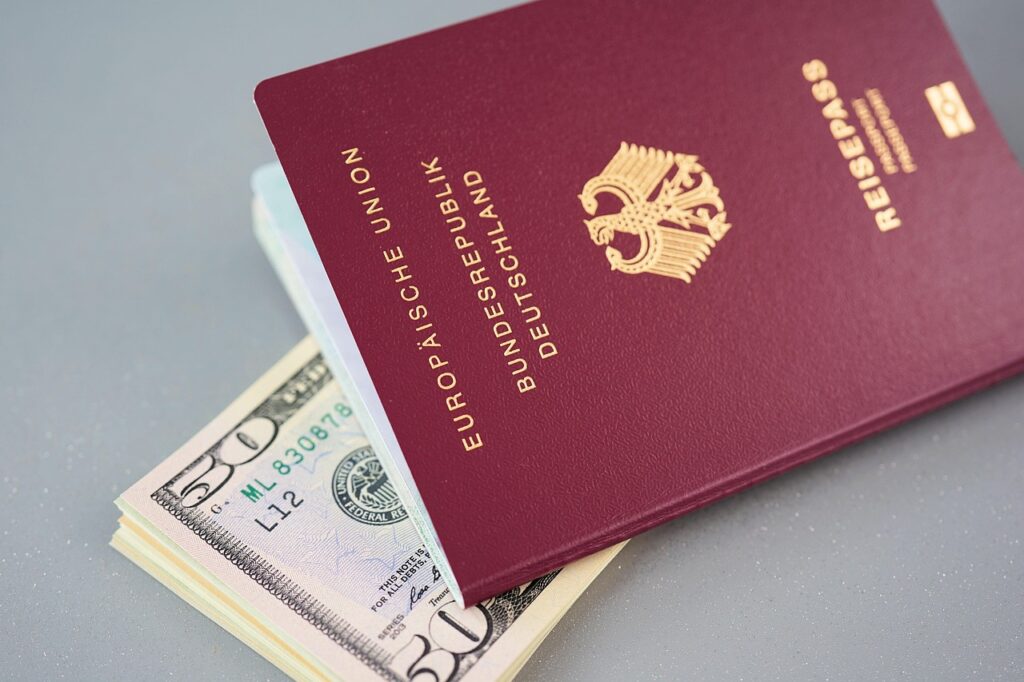

The concept of visa-free travel has been gaining significant attention in recent years, especially among travelers who seek to explore the world without the cumbersome process of obtaining visas. As the world becomes increasingly interconnected, countries are beginning to reassess their visa policies, aiming to boost tourism and foster global understanding. With the rise of visa-free travel agreements, individuals can now visit numerous countries without the need for a visa, simplifying the travel process and opening up new horizons for exploration. This development not only benefits travelers but also contributes to the economic growth of participating countries. The ease of travel facilitated by visa-free policies has the potential to revolutionize the way people experience different cultures and environments. As visa requirements continue to evolve, it’s essential for travelers to stay informed about the latest developments in visa-free travel.
📝 Table of Contents
What Is Visa-Free Travel?
Visa-free travel refers to the ability of citizens from certain countries to enter and stay in another country for a specified period without the need to obtain a visa. This arrangement is typically based on reciprocal agreements between nations, aiming to facilitate travel, trade, and cultural exchange. Visa-free travel can be categorized into different types, including visa-free entry for tourism, business, or transit purposes. The duration of stay and the requirements for visa-free entry vary significantly from one country to another, making it crucial for travelers to research the specific regulations of their destination before embarking on their path.
Understanding the context and implications of visa-free travel is vital for making the most of this opportunity. Here’s the key thing to understand: while visa-free travel simplifies the process of entering a foreign country, it does not exempt travelers from other legal requirements such as possessing a valid passport, meeting health and security standards, and complying with the host country’s laws and regulations. Most people miss the importance of thoroughly understanding the terms and conditions of visa-free entry, which can lead to unforeseen complications during their travel.
| Country | Visa-Free Duration | Requirements | Notes |
|---|---|---|---|
| United States | 90 days | Valid passport, ESTA | Under the Visa Waiver Program |
| Canada | 183 days | Valid passport, eTA | For tourism or business stays |
| Australia | 90 days | Valid passport, eVisitor | For eligible passport holders |
| European Union | 90 days | Valid passport | Within any 180-day period, for eligible countries |
Major Visa-Free Developments
1. Expansion of the Visa Waiver Program
The Visa Waiver Program (VWP) allows citizens of participating countries to travel to the United States without a visa for up to 90 days. The program has undergone several expansions, adding new countries and enhancing security measures. This development has significantly facilitated travel between the U.S. and participating nations, fostering tourism, business, and cultural exchange. The expansion of the VWP is a prime example of how visa-free travel agreements can be tailored to meet the evolving needs of global connectivity.
The specifics of the VWP involve a thorough vetting process for participating countries, ensuring they meet the program’s security and information-sharing requirements. This not only strengthens the security of the program but also promotes cooperation among nations. As the world becomes more interconnected, the importance of such programs in facilitating global mobility cannot be overstated.
- Plus Points: Simplified travel process, enhanced security measures, promotion of tourism and business.
- Plus Points: Increased cultural exchange opportunities, facilitated people-to-people diplomacy.
- Plus Points: Economic benefits through increased travel and trade, job creation in the tourism and hospitality sectors.
2. Introduction of e-Visas
The introduction of e-Visas has revolutionized the way travelers obtain visas, offering a convenient, online application process. This development has made it easier for individuals to plan their trips, reducing the wait times and bureaucratic hurdles associated with traditional visa application processes. E-Visas have become particularly popular among travelers visiting countries that were previously difficult to access due to stringent visa requirements.
E-Visas also represent a significant step forward in terms of security, as they allow for more efficient screening and monitoring of travelers. This is achieved through the use of advanced technology and data analytics, enabling authorities to assess potential security risks more effectively. The implementation of e-Visas demonstrates how technology can be harnessed to streamline travel processes while enhancing security.
- Plus Points: Convenience and speed of application, reduced wait times.
- Plus Points: Enhanced security through advanced screening technologies.
- Plus Points: Increased transparency and efficiency in the visa application process.
3. Visa-Free Travel within Regional Blocs
Regional blocs such as the European Union, the Association of Southeast Asian Nations (ASEAN), and the Southern Common Market (MERCOSUR) have implemented visa-free travel policies among their member states. These policies aim to promote intra-regional travel, trade, and integration, contributing to the economic and cultural development of the regions. Visa-free travel within these blocs has been instrumental in fostering a sense of community and cooperation among member nations.
The success of these regional visa-free policies can be attributed to the strong diplomatic and economic ties among the member states. By eliminating the need for visas, these blocs have created an environment conducive to the free movement of people, goods, and services. This, in turn, has spurred economic growth, cultural exchange, and social cohesion within the regions.
- Plus Points: Promotion of regional integration and cooperation.
- Plus Points: Facilitation of travel and trade among member states.
- Plus Points: Contribution to economic growth and cultural exchange within the regions.
4. Bilateral Visa-Free Agreements
Bilateral visa-free agreements between countries have become increasingly common, reflecting a growing trend towards more open and reciprocal travel policies. These agreements are often negotiated based on the principle of reciprocity, where both countries agree to waive visa requirements for each other’s citizens. Bilateral agreements can significantly enhance travel opportunities, especially between countries that have historically had limited diplomatic or economic ties.
The negotiation and implementation of bilateral visa-free agreements require careful consideration of various factors, including national security, immigration policies, and economic interests. Despite these challenges, many countries have successfully established such agreements, demonstrating the potential for visa-free travel to serve as a catalyst for diplomatic and economic cooperation.
- Plus Points: Enhanced diplomatic relations between participating countries.
- Plus Points: Increased travel opportunities for citizens of both nations.
- Plus Points: Potential for expanded economic cooperation and trade.
5. Impact of Technology on Visa-Free Travel
Advances in technology have played a pivotal role in the development and implementation of visa-free travel policies. From electronic visas and online application platforms to biometric identification systems and data analytics, technology has enabled more efficient, secure, and streamlined travel processes. The integration of technology in visa-free travel has not only improved the traveler’s experience but also enhanced the ability of governments to manage and secure their borders.
The future of visa-free travel is closely tied to technological innovation, with ongoing developments expected to further simplify and secure international travel. As technology continues to evolve, it is likely to introduce new possibilities for visa-free travel, such as advanced identity verification methods and more sophisticated risk assessment tools. These advancements will be crucial in balancing the need for security with the desire for convenience and efficiency in international travel.
- Plus Points: Enhanced security through advanced biometric technologies.
- Plus Points: Streamlined travel processes through online applications and digital documentation.
- Plus Points: Improved data analytics for risk assessment and border management.
The Impact on Consumers
✔ Simplified Travel Planning
Visa-free travel eliminates the complexity and uncertainty associated with traditional visa application processes, allowing travelers to plan their trips more efficiently. With the removal of visa requirements, individuals can focus on other aspects of their travel, such as booking flights and accommodation, and preparing for their path. This simplification of travel planning contributes to a more enjoyable and stress-free travel experience.
✔ Increased Travel Opportunities Increased Travel Opportunities
Visa-free policies open up new destinations for travelers, enabling them to explore countries that were previously inaccessible due to stringent visa requirements. This expansion of travel opportunities not only broadens cultural horizons but also fosters global understanding and exchange. By facilitating travel to a wider range of countries, visa-free policies can significantly enrich the travel experience.
✔ Enhanced Cultural Exchange
Visa-free travel promotes cultural exchange by making it easier for people from different countries to visit and interact with each other. This exchange can lead to a deeper understanding and appreciation of different cultures, contributing to a more interconnected and harmonious world. The facilitation of cultural exchange is one of the most significant benefits of visa-free travel, as it has the potential to break down cultural barriers and foster global citizenship.
✔ Economic Benefits
Visa-free travel can have a positive impact on the economy of participating countries, as it encourages tourism and business travel. The influx of tourists and business travelers can lead to increased revenue for local industries such as hospitality, tourism, and retail. Moreover, visa-free travel can also facilitate international trade and investment, further contributing to economic growth and development.
✔ Improved Travel Experience
By reducing the administrative and bureaucratic hurdles associated with visa applications, visa-free travel enhances the overall travel experience. Travelers can enjoy a more streamlined and efficient path, from planning to arrival, without the burden of complex visa requirements. This improvement in the travel experience is a direct result of the simplification and facilitation of international travel through visa-free policies.
✔ Increased Flexibility
Visa-free travel offers travelers greater flexibility in their travel plans, allowing them to make spontaneous decisions or changes to their itinerary without the constraints of visa requirements. This flexibility is particularly beneficial for travelers who value the freedom to explore different destinations without prior planning or for those whose travel plans are subject to change.
| Country | Visa-Free Policy | Duration of Stay | Requirements |
|---|---|---|---|
| New Zealand | Visa-free for eligible countries | Up to 6 months | Valid passport, proof of onward travel |
| Australia | eVisitor for eligible countries | Up to 3 months | Valid passport, electronic application |
| Canada | eTA for eligible countries | Up to 6 months | Valid passport, electronic application |
| United Kingdom | Visa-free for eligible countries | Up to 6 months | Valid passport, proof of onward travel |
Where This Is Headed
- Predicted increase in visa-free travel agreements among countries, driven by the desire for greater global connectivity and economic cooperation.
- Advancements in technology will play a crucial role in the development of more secure and efficient visa-free travel systems, incorporating biometrics, artificial intelligence, and data analytics.
- Growing demand for visa-free travel will lead to increased pressure on governments to reassess and potentially expand their visa policies, considering both security and economic factors.
- Visa-free travel is expected to contribute significantly to global economic growth, particularly in the tourism and travel sectors, as more countries open their borders to international visitors.
- The future of visa-free travel will also involve greater emphasis on sustainability and environmental considerations, as the travel industry seeks to mitigate its impact on the environment.
This trend is expected to continue as nations recognize the benefits of visa-free travel, including enhanced tourism, business opportunities, and cultural exchange. The future of visa-free travel will likely involve more countries adopting reciprocal visa-free policies, further simplifying international travel.
Technological innovations will be essential in addressing security concerns and streamlining travel processes, making visa-free travel more accessible and convenient for a wider audience. As technology evolves, it is likely to introduce new methods for identity verification, risk assessment, and border management, further facilitating visa-free travel.
This demand will be driven by travelers seeking greater flexibility and convenience in their international travel plans. In response, governments may need to balance the need for security with the desire for more open and facilitating travel policies, potentially leading to more visa-free travel opportunities.
The economic benefits of visa-free travel will be substantial, with increased tourism and business travel leading to job creation, revenue generation, and economic stimulus. As visa-free travel becomes more prevalent, it is likely to emerge as a key driver of economic development in many regions.
This shift towards sustainability will be critical in ensuring that the growth of visa-free travel does not come at the expense of environmental degradation. The travel industry, in collaboration with governments and international organizations, will need to develop strategies for sustainable tourism that balance the economic benefits of travel with the need to protect the environment.
The Bottom Line
Visa-free travel represents a significant development in the facilitation of international mobility, offering numerous benefits for travelers, economies, and cultures worldwide. As the world becomes more interconnected, the importance of visa-free travel policies will only continue to grow, driven by the desire for greater global connectivity, economic cooperation, and cultural exchange. The future of visa-free travel holds much promise, with technological advancements, expanding visa-free agreements, and a growing emphasis on sustainability set to shape the landscape of international travel in the years to come.
Here’s the key thing to understand: the evolution of visa-free travel is not just about simplifying travel processes but also about fostering global understanding, promoting economic growth, and contributing to a more harmonious and interconnected world. Most people miss the broader implications of visa-free travel, focusing solely on the convenience it offers, but its impact extends far beyond individual travel experiences, influencing international relations, economic development, and cultural exchange on a global scale.
As visa-free travel continues to expand and evolve, it is essential for travelers, governments, and industries to work together in ensuring that its benefits are realized while addressing the challenges and complexities that arise. By doing so, the potential of visa-free travel to transform the way we explore and interact with the world can be fully realized, leading to a more open, connected, and prosperous global community.