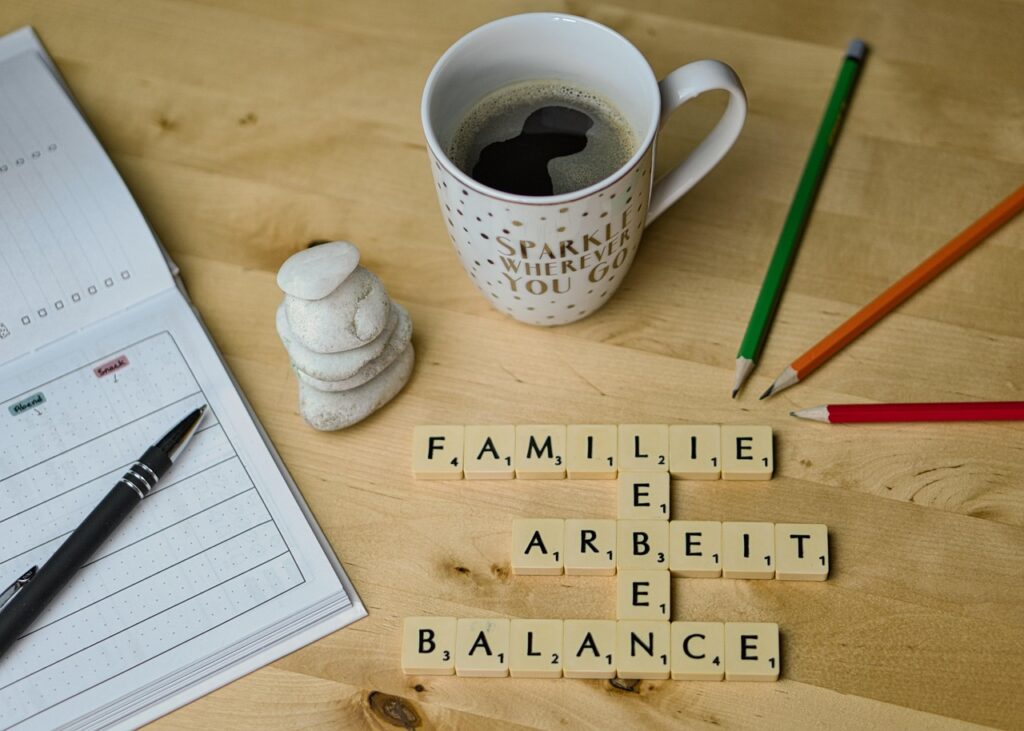

70% of employees report that their work and personal life are becoming increasingly intertwined, making it challenging to maintain a healthy balance. Choosing the right approach to balance work and personal life matters because it can significantly impact one’s mental and physical health, relationships, and career advancement. A poor balance can lead to burnout, decreased productivity, and strained relationships. On the other hand, a good balance can lead to increased job satisfaction, better time management, and a more fulfilling personal life. With the rise of remote work and digital communication, the boundaries between work and personal life are becoming increasingly blurred. Therefore, it is essential to develop effective strategies to manage this balance.
📝 What's In This Article
Defining Work-Life Balance
Work-life balance refers to the ability to manage the demands of work and personal life in a way that leads to overall well-being and satisfaction. It involves setting boundaries, prioritizing tasks, and making time for activities that nurture both body and mind. Achieving a balance between work and personal life requires a deep understanding of one’s values, goals, and priorities. It also requires the ability to communicate effectively with colleagues, family, and friends to establish and maintain healthy boundaries.
A key aspect of work-life balance is the ability to evaluate different approaches and choose the one that best suits an individual’s needs and circumstances. The following table outlines some key metrics to evaluate when considering different approaches to work-life balance:
| Approach | Description | Benefits | Drawbacks |
|---|---|---|---|
| Time Management | Prioritizing tasks and managing time effectively | Increased productivity, reduced stress | Can be overly rigid, neglecting personal needs |
| Boundary Setting | Establishing clear boundaries between work and personal life | Improved work-life separation, increased autonomy | Can be challenging to maintain, especially with remote work |
| Self-Care | Engaging in activities that promote physical and mental well-being | Improved overall health, increased resilience | Can be time-consuming, requiring significant commitment |
| Communication | Effectively communicating needs and boundaries to others | Improved relationships, increased support | Can be challenging, especially in complex or conflicted relationships |
Top Work-Life Balance Innovations to Know
Flexible Work Arrangements
Flexible work arrangements, such as telecommuting or flexible hours, can help employees balance work and personal life by providing more autonomy and control over their schedule.
- Strengths:
- Increased flexibility and autonomy
- Improved work-life balance
- Reduced commuting time and expenses
- Current Limitations:
- Can be challenging to separate work and personal life
- May require significant discipline and self-motivation
Best for: Employees who value flexibility and autonomy and are able to manage their time effectively.
Wellness Programs
Wellness programs, such as meditation or fitness classes, can help employees manage stress and improve their overall well-being.
- Strengths:
- Improved physical and mental health
- Increased resilience and stress management
- Enhanced overall well-being
- Current Limitations:
- May require significant time commitment
- Can be costly, especially for comprehensive programs
Best for: Employees who prioritize their physical and mental health and are looking for structured programs to support their well-being.
Time Management Tools
Time management tools, such as calendars or apps, can help employees prioritize tasks and manage their time more effectively.
- Strengths:
- Increased productivity and efficiency
- Improved task management and prioritization
- Enhanced organization and planning
- Current Limitations:
- Can be overly rigid or restrictive
- May require significant upfront investment of time and effort
Best for: Employees who struggle with time management and are looking for structured tools to support their productivity.
Boundary Setting Strategies
Boundary setting strategies, such as establishing clear work hours or designating a workspace, can help employees separate their work and personal life.
- Strengths:
- Improved work-life separation
- Increased autonomy and control
- Enhanced overall well-being
- Current Limitations:
- Can be challenging to maintain, especially with remote work
- May require significant communication and negotiation with others
Best for: Employees who struggle to separate their work and personal life and are looking for strategies to establish clear boundaries.
Communicating Needs and Boundaries
Communicating needs and boundaries, such as discussing work expectations or emotional needs, can help employees establish and maintain healthy relationships with colleagues, family, and friends.
- Strengths:
- Improved relationships and communication
- Increased support and understanding
- Enhanced overall well-being
- Current Limitations:
- Can be challenging, especially in complex or conflicted relationships
- May require significant emotional intelligence and communication skills
Best for: Employees who value open and honest communication and are looking to establish and maintain healthy relationships.
| Option | Best For | Difficulty | Cost | Speed |
|---|---|---|---|---|
| Flexible Work Arrangements | Employees who value flexibility and autonomy | Medium | Low | Fast |
| Wellness Programs | Employees who prioritize physical and mental health | High | Medium | Slow |
| Time Management Tools | Employees who struggle with time management | Low | Low | Fast |
| Boundary Setting Strategies | Employees who struggle to separate work and personal life | Medium | Low | Medium |
| Communicating Needs and Boundaries | Employees who value open and honest communication | High | Low | Slow |
How to Choose the Right One
Choosing the right approach to work-life balance depends on several factors, including an individual’s values, goals, and priorities. Self-awareness is key, as it allows individuals to understand their needs and boundaries. Communication skills are also essential, as they enable individuals to effectively convey their needs and boundaries to others.
Flexibility is another critical factor, as it allows individuals to adapt to changing circumstances and priorities. Support systems, such as family, friends, or colleagues, can also play a significant role in helping individuals achieve a better balance between work and personal life.
When evaluating different approaches, individuals should consider their unique circumstances, including their work schedule, family responsibilities, and personal needs. They should also consider their long-term goals, such as career advancement or personal fulfillment, and how their approach to work-life balance will impact these goals. When evaluating different
Ultimately, achieving a balance between work and personal life requires a holistic approach that takes into account an individual’s physical, emotional, and mental well-being. It also requires a willingness to adapt and adjust to changing circumstances and priorities.
By considering these factors and taking a holistic approach, individuals can choose the right approach to work-life balance and achieve a more fulfilling and sustainable balance between their work and personal life.
How This Affects Everyday Life
Achieving a balance between work and personal life can have a significant impact on everyday life, from improved relationships with family and friends to increased productivity and job satisfaction.
When individuals achieve a better balance between work and personal life, they are more likely to feel fulfilled and satisfied with their lives, leading to a greater sense of happiness and well-being.
A balance between work and personal life can also reduce stress and anxiety, leading to improved physical and mental health.
Additionally, achieving a balance between work and personal life can increase autonomy and control, allowing individuals to make choices that align with their values and priorities.
Achieving a balance between work and personal life can also enhance overall well-being, leading to a greater sense of purpose and meaning in life.
Furthermore, a balance between work and personal life can improve work performance, as individuals are more focused, motivated, and productive in their work.
Wrapping Up
Achieving a balance between work and personal life is a complex and ongoing process that requires self-awareness, communication skills, and a willingness to adapt. By considering these factors and taking a holistic approach, individuals can choose the right approach to work-life balance and achieve a more fulfilling and sustainable balance between their work and personal life.
The key to success lies in finding the right balance that works for each individual, taking into account their unique circumstances, values, and priorities.
Ultimately, achieving a balance between work and personal life is essential for overall well-being, happiness, and success, and is worth the effort and investment required to achieve it.