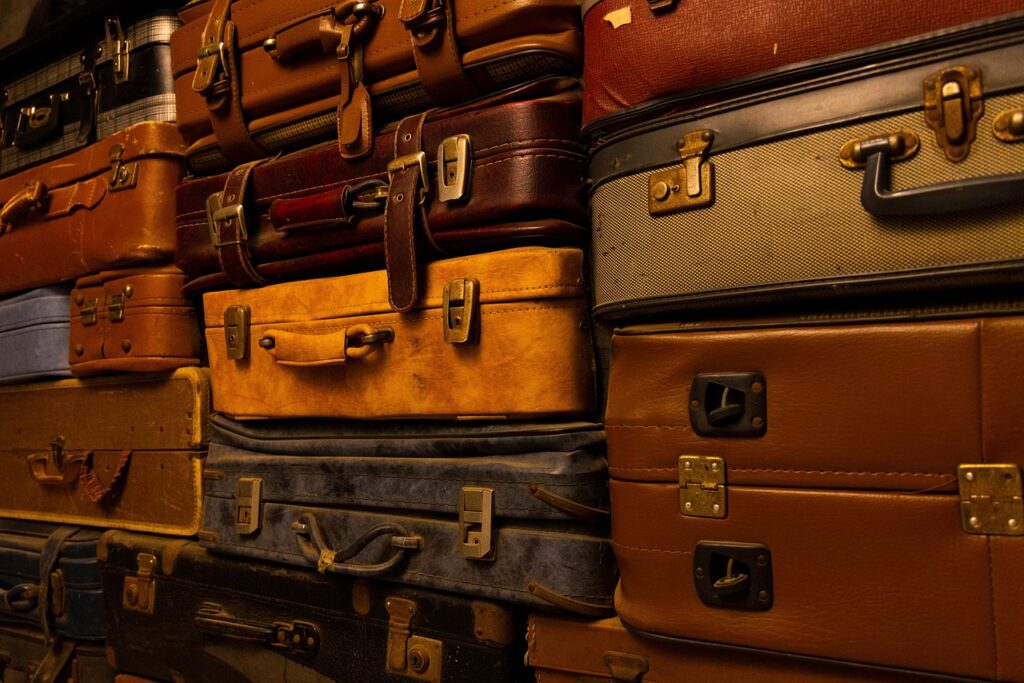

75% of travelers admit to overpacking, which can lead to unnecessary stress and additional airline fees. This highlights the importance of adopting effective packing strategies when preparing for a trip. Proper packing can significantly enhance the travel experience by minimizing luggage-related issues and allowing travelers to focus on their path. With the right techniques, travelers can ensure they have everything needed without incurring extra costs or hassle.
What Is Travel Packing?
Travel packing refers to the process of selecting, organizing, and packing personal items for a trip. It involves considering the destination, duration, and purpose of the trip to determine the necessary clothing, documents, and accessories. Effective travel packing is about finding a balance between bringing enough to be prepared and avoiding overpacking, which can lead to inconvenience and additional expense.
Major Travel Packing Developments
1. Rolling Clothing
Rolling clothing is a packing technique that involves rolling garments instead of folding them. This method helps reduce wrinkles and saves space in luggage.
- Key Benefits:
- Reduces wrinkles in clothing
- Saves space in luggage
- Makes packing and unpacking easier
- Drawbacks:
- May not be suitable for all types of clothing
- Requires some practice to master the technique
2. Packing Cubes
Packing cubes are small, rectangular bags used to organize clothing and other items within luggage. They help keep belongings tidy and make it easier to find what is needed.
- Key Benefits:
- Keeps clothing and items organized
- Makes it easier to find what is needed
- Helps to compress luggage for more efficient packing
- Drawbacks:
- May add extra weight to luggage
- Can be expensive, especially for high-quality cubes
| Packing Method | Space Efficiency | Ease of Use |
|---|---|---|
| Rolling Clothing | High | Medium |
| Packing Cubes | Very High | High |
What This Means in Practice
✔ Efficient Use of Space: By utilizing techniques like rolling clothing and packing cubes, travelers can make the most out of their luggage space, reducing the need for additional bags and minimizing the risk of overpacking.
✔ Reduced Wrinkles: Rolling clothing instead of folding can significantly reduce wrinkles, ensuring that travelers arrive at their destination with clothes that are ready to wear.
✔ Enhanced Organization: Packing cubes help keep luggage organized, making it easier for travelers to find what they need quickly, whether it’s a change of clothes, documents, or accessories.
✔ Simplified Security Checks: With organized and efficiently packed luggage, going through security checks can be less stressful, as items are easier to remove and replace when required.
✔ Better Time Management: By packing smart, travelers can save time that would be spent on dealing with luggage issues, allowing for more time to enjoy the travel experience.
✔ Cost Savings: Avoiding overpacking and additional checked bags can lead to significant cost savings, especially on long or frequent trips.
What’s Coming
- Increased adoption of smart luggage with integrated scales and GPS tracking
- More airlines implementing strict baggage size and weight restrictions
- Growing popularity of packing apps that provide personalized packing lists based on destination and trip duration
- Development of sustainable and eco-friendly luggage options
- Enhanced security features in luggage, such as biometric locks and alerts for suspicious activity
- Increased focus on luggage design for comfort and ergonomics, especially for long-distance travelers
To Sum Up
Travel packing is an art that, when mastered, can significantly enhance the travel experience. By adopting advanced packing strategies and utilizing the right tools, travelers can ensure their journeys are more efficient, enjoyable, and stress-free. Whether through rolling clothing, using packing cubes, or adopting new technologies, the key to successful travel packing lies in finding a balance between preparedness and efficiency.