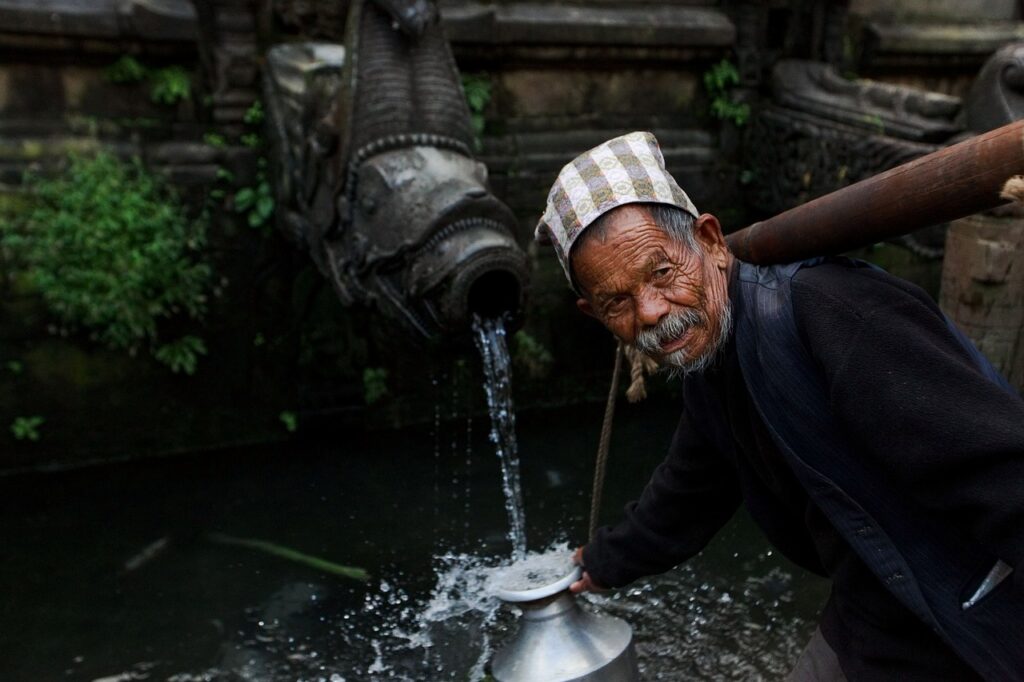

The notion that cultural experiences are confined to museums and historical landmarks is a common misconception. In reality, the best places to experience local culture are often found in the everyday moments and interactions with the community. As travelers become more aware of the importance of cultural sensitivity and authentic experiences, destinations that offer genuine immersion into local life are gaining popularity. This trend is driven by a desire to move beyond the superficial tourist attractions and look at the heart of what makes a place unique. The impact of this shift is multifaceted, influencing not only the way we travel but also how local communities perceive and preserve their cultural heritage. With the rise of responsible tourism, the focus is now on experiences that are mutually beneficial for both visitors and locals.
Understanding local culture is key to creating meaningful connections with the places we visit. It involves more than just observing; it requires participation and a willingness to learn. This approach to travel not only enriches the traveler’s experience but also supports the local economy and helps in preserving cultural practices. As the world becomes more interconnected, the importance of cultural exchange and understanding cannot be overstated. The desire for authentic cultural experiences is driving innovation in the tourism industry, with more travelers seeking out destinations and activities that allow for genuine interaction with local communities.
However, navigating the complexities of cultural immersion can be challenging. It requires a deep respect for local customs and traditions, as well as an openness to new experiences. The rewards, though, are well worth the effort. By engaging with local culture on a profound level, travelers can gain insights into the history, values, and daily life of a community, fostering a sense of connection that goes beyond the typical tourist experience.
&#; Contents
Defining Local Culture
Local culture encompasses the customs, traditions, and ways of life that are unique to a specific community or region. It is shaped by history, geography, and the interactions among the people who live there. Understanding local culture involves exploring its various facets, including language, cuisine, festivals, and daily practices. Each of these elements contributes to the rich mix that defines a place and its people, making every location distinct and worthy of exploration.
The significance of local culture cannot be overstated. It is the foundation upon which communities are built and the source of their identity. Preserving and respecting local culture is essential for maintaining diversity and promoting cross-cultural understanding. In an era of globalization, where cultural homogenization is a pressing concern, the preservation of local cultures is more critical than ever.
| Aspect of Culture | Description | Importance | Examples |
|---|---|---|---|
| Language | Unique to each community, language is a fundamental part of local culture. | Facilitates communication and understanding. | Japanese, Spanish, Arabic |
| Cuisine | Traditional foods and cooking methods. | Represents cultural heritage and community identity. | Sushi, Tacos, Hummus |
| Festivals and Celebrations | Events that mark important dates or occasions. | Preserves cultural traditions and promotes community bonding. | Diwali, Christmas, Chinese New Year |
| Arts and Crafts | Traditional forms of art and handicrafts. | Expresses cultural identity and creativity. | Pottery, Woodcarving, Weaving |
Top Local Culture Innovations to Know
Community-Based Tourism
Community-based tourism involves local communities directly in the tourism industry, allowing them to benefit economically and culturally from tourism activities. This approach ensures that tourism is sustainable and responsible, contributing to the preservation of local cultures and environments.
By engaging in community-based tourism, travelers can experience local culture in a more authentic and immersive way. It provides opportunities for meaningful interactions with local people, learning about their customs, and participating in their daily activities. This form of tourism also supports local economies, as the revenue generated stays within the community, promoting development and conservation.
- Supports local economic development by generating income for community members.
- Facilitates cultural exchange, promoting mutual understanding and respect between visitors and locals.
- Encourages the preservation of cultural practices and traditional ways of life.
Why It Works:
Cultural Homestays
Cultural homestays offer travelers the opportunity to live with local families, immersing themselves in daily life and learning about the culture firsthand. This experience allows for deep and personal connections, providing insights into the community’s values, customs, and traditions.
Homestays are particularly beneficial for language learners, as they provide an environment where the local language is spoken at all times. Additionally, homestays allow travelers to participate in local activities and contribute to the household, fostering a sense of belonging and community.
- Provides an authentic and immersive cultural experience, allowing for a deeper understanding of local customs and traditions.
- Supports language learning by surrounding the traveler with the local language and encouraging its use.
- Facilitates personal connections and friendships with local families, promoting cross-cultural understanding.
Why It Works:
Traditional Craft Workshops
Traditional craft workshops offer travelers the chance to learn about and participate in local handicrafts, such as pottery, weaving, or woodcarving. These workshops not only preserve cultural traditions but also provide economic support to local artisans.
By engaging in craft workshops, travelers can gain a unique perspective on the cultural significance of traditional crafts and the techniques involved in their creation. It is an interactive way to learn about local culture, allowing participants to take home not only a newfound appreciation but also a handmade craft that serves as a tangible memory of their experience. craft workshops travelers
- Promotes the preservation of traditional crafts and cultural heritage.
- Supports local artisans economically, contributing to community development.
- Offers travelers a unique and interactive way to engage with local culture, fostering a deeper understanding and appreciation.
Why It Works: get the details here
Local Food Tours
Local food tours are designed to introduce travelers to the unique flavors and culinary traditions of a region. By exploring local markets, trying street food, and dining at family-run restaurants, travelers can experience the authentic taste of a place.
Food tours also provide insights into the cultural and historical context of local cuisine, highlighting the ingredients, cooking methods, and dishes that are significant to the community. This approach to culinary exploration supports local food vendors and restaurants, promoting sustainable tourism practices.
- Introduces travelers to the authentic flavors and culinary traditions of a region.
- Supports local food vendors and restaurants, contributing to the local economy.
- Provides a unique perspective on local culture, exploring the role of food in community life and traditions.
Why It Works:
Eco-Tourism Initiatives
Eco-tourism initiatives focus on responsible travel to natural areas, conserving the environment, and sustaining the well-being of local people. These initiatives promote the preservation of biodiversity, support conservation efforts, and provide economic benefits to local communities.
By participating in eco-tourism activities, travelers can contribute to environmental conservation and support local economies. Eco-tourism also offers opportunities for cultural exchange, as many eco-tourism projects are managed by local communities, providing insights into their relationship with the natural environment and their traditional ways of life.
- Supports environmental conservation and the preservation of natural habitats.
- Provides economic benefits to local communities, promoting sustainable development.
- Facilitates cultural exchange and understanding, highlighting the importance of traditional knowledge and practices in environmental conservation.
Why It Works:
Why People Are Paying Attention
✔ Authentic Experiences
The desire for authentic cultural experiences is driving attention towards local culture. Travelers are seeking more than just tourist attractions; they want to engage with the essence of a place, its people, and their traditions. Authentic experiences provide a deeper sense of connection and understanding, making travel more meaningful and impactful.
✔ Cultural Preservation
Cultural preservation is another significant reason why local culture is gaining attention. As globalization threatens the uniqueness of local cultures, there is a growing recognition of the importance of preserving cultural diversity. Efforts to support local cultures and traditions are essential for maintaining the rich mix of human experience.
✔ Community Development
Community development is closely tied to the preservation of local culture. By supporting local communities and their cultural practices, travelers can contribute to sustainable development and the well-being of the places they visit. This approach to tourism promotes mutual benefits, where both the traveler and the local community gain from the interaction.
✔ Personal Growth
Engaging with local culture can also lead to personal growth. Immersing oneself in unfamiliar customs, languages, and ways of life challenges one’s perspectives and understanding of the world. This process of cultural immersion can be transformative, fostering empathy, tolerance, and a broader worldview.
✔ Economic Support
Supporting local economies is a crucial aspect of engaging with local culture. By choosing to spend money within the local community, travelers can contribute to the economic development of the area, helping to preserve cultural practices and traditions. This economic support is vital for the sustainability of local cultures and communities.
✔ Environmental Conservation
Finally, the connection between local culture and environmental conservation is gaining recognition. Many local cultures have traditional knowledge and practices that are essential for environmental conservation. Supporting these cultures and their relationship with the natural environment is critical for preserving biodiversity and promoting sustainable development.
| Destination | Local Culture Experience | Benefits | Challenges |
|---|---|---|---|
| Rural Japan | Participating in traditional tea ceremonies and festivals. | Cultural immersion, community engagement, personal growth. | Language barriers, cultural differences, accessibility. |
| Costa Rica | Eco-tourism and wildlife conservation efforts. | Environmental conservation, community development, adventure activities. | Environmental degradation, tourist impact, economic disparities. |
| India | Attending local festivals and learning traditional crafts. | Cultural exchange, skill acquisition, community interaction. | Cultural sensitivity, overcrowding, health concerns. |
| Brazil | Engaging in local music and dance workshops. | Cultural expression, community engagement, personal enjoyment. | Language barriers, cultural appropriation, safety concerns. |
Looking Ahead
- Predicted Increase in Community-Based Tourism: As travelers seek more authentic and responsible travel experiences, community-based tourism is expected to grow, benefiting local economies and preserving cultural heritage.
- Advancements in Cultural Preservation Technologies: Technologies such as digital museums and cultural archives will play a crucial role in preserving local cultures, making them more accessible to a global audience.
- Rise of Eco-Tourism as a Mainstream Travel Option: Eco-tourism, with its focus on environmental conservation and sustainable travel practices, is expected to become a more mainstream travel option, appealing to travelers who are environmentally conscious.
- Increased Focus on Cultural Sensitivity and Awareness: There will be a greater emphasis on cultural sensitivity and awareness among travelers, recognizing the importance of respecting local customs and traditions.
- Growing Demand for Experiential Travel: The demand for experiential travel, which focuses on experiencing the local culture and way of life, will continue to grow, driving innovation in the tourism industry.
This growth will be driven by the increasing demand for unique, immersive experiences that support local development. Community-based tourism projects will need to balance the benefits of tourism with the potential impacts on local environments and cultures. unique immersive experiences
These technologies will not only help in documenting and preserving cultural practices but also provide educational resources for those interested in learning about different cultures. However, there will be a need to ensure that these technologies are used responsibly and with respect for the cultures they represent.
Eco-tourism will offer opportunities for travelers to engage in conservation efforts, support local communities, and experience the natural beauty of destinations in a responsible manner. The challenge will be to manage the growth of eco-tourism in a way that minimizes its impact on the environment and maximizes its benefits for local communities.
This shift will be driven by a growing understanding of the impact of tourism on local cultures and the need for responsible travel practices. Educational resources and travel guidelines will become more prevalent, helping travelers to navigate cultural differences and engage respectfully with local communities.
Experiential travel will offer a wide range of activities and experiences, from cooking classes and language lessons to volunteering and community projects. The key to successful experiential travel will be ensuring that these experiences are authentic, respectful, and beneficial to both travelers and local communities.
To Sum Up
Engaging with local culture is a profound way to experience the essence of a place, fostering deeper connections and understanding. By participating in community-based tourism, cultural homestays, traditional craft workshops, local food tours, and eco-tourism initiatives, travelers can contribute to the preservation of cultural diversity and support local development. The future of travel will be shaped by a growing desire for authentic, immersive, and responsible experiences, driving innovation and change in the tourism industry. As travelers and local communities interact, there will be a mutual exchange of knowledge, traditions, and values, enriching the lives of all involved and promoting a more harmonious and culturally rich world. The impact of this shift will be far-reaching, influencing not only how we travel but also how we perceive and interact with different cultures, leading to a more interconnected and compassionate global community.
The importance of respecting and preserving local cultures cannot be overstated. As the world becomes increasingly interconnected, the need to understand, appreciate, and protect cultural diversity is more pressing than ever. Through responsible travel practices and genuine cultural exchange, we can work towards a future where local cultures thrive, and the world becomes a richer and more vibrant place for all.
Ultimately, the best places to experience local culture are those that offer authentic, immersive, and respectful interactions with the community. By choosing to engage with local cultures in a meaningful way, travelers can create lasting memories, foster cross-cultural understanding, and contribute to the preservation of our global cultural heritage.