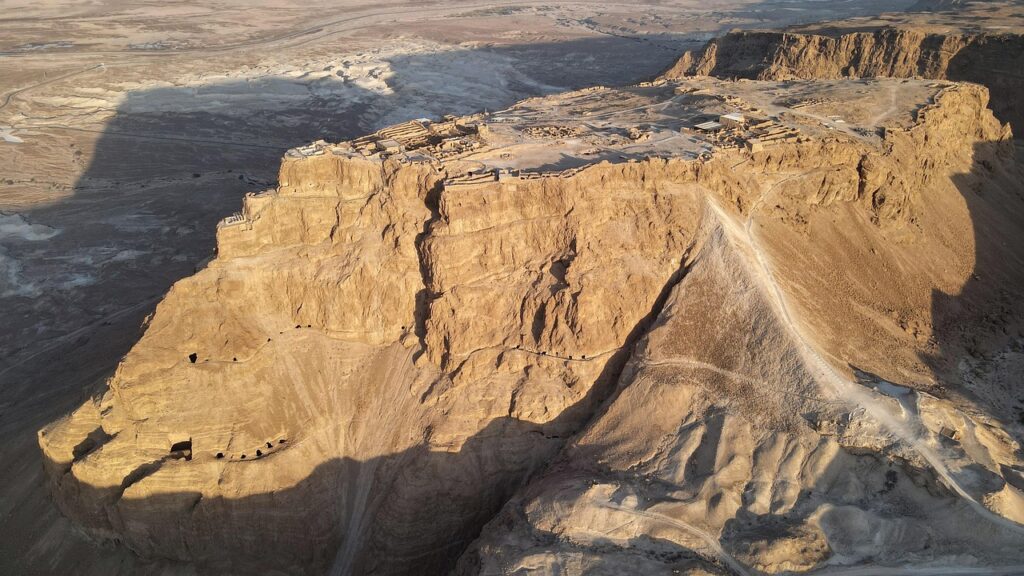

For someone who has just discovered the concept of heritage sites, it might seem like a vague or abstract idea – but in reality, these sites are all around us, from ancient monuments to historical buildings, and even intangible traditions and practices. Before understanding the significance of heritage sites, one might view them merely as old structures or relics of the past. However, after learning about their importance, it becomes clear that these sites are vital components of our collective cultural and historical identity. Heritage sites are not just physical places but also embody the traditions, customs, and values of past generations. They provide a tangible connection to our past, allowing us to learn from history and appreciate the present. The preservation of heritage sites is a complex process that involves several steps and stakeholders.
&#; In This Post
A Closer Look at Heritage Sites
Heritage sites – which refer to places or properties of historical, cultural, or environmental significance – are preserved and protected for their importance (value or significance) to a particular nation, region, or even the world. Understanding heritage sites requires familiarity with several key terms and concepts. The following table explains some of these terms in plain English:
| Term | Plain-English Meaning |
|---|---|
| Cultural Heritage | The customs, practices, places, and objects that are valued by a society for their historical, artistic, or cultural significance. |
| World Heritage Site | A place or property recognized by the United Nations Educational, Scientific and Cultural Organization (UNESCO) for its outstanding cultural or natural value to humanity. |
| Conservation | The act of preserving or protecting something, especially the natural environment, from harm, damage, or neglect. |
| Restoration | The process of returning a building, object, or site to its original condition, as closely as possible, while preserving its historical integrity. |
| Sustainable Tourism | Tourism that aims to have a low impact on the environment and local culture, while also benefiting the local community economically and socially. |
| Intangible Cultural Heritage | The practices, representations, expressions, knowledge, and skills that communities, groups, and individuals recognize as part of their cultural heritage, such as traditions, music, and language. |
Why Heritage Sites Matters
The preservation of heritage sites is crucial for several reasons. Firstly, these sites serve as tangible links to our past, providing valuable insights into the history and development of human societies. They are also important for education, as they offer a unique opportunity for people to learn about different cultures and historical periods in a hands-on and engaging way. Furthermore, heritage sites can play a significant role in promoting cultural diversity and understanding, by showcasing the traditions, customs, and achievements of various communities around the world. For example, the ancient city of Petra in Jordan, which is a UNESCO World Heritage Site, attracts millions of visitors each year, who come to marvel at its stunning architecture and learn about the history and culture of the Nabataean civilization.
In addition to their cultural and historical significance, heritage sites can also have a positive impact on local economies. Sustainable tourism, which is tourism that aims to have a low impact on the environment and local culture, while also benefiting the local community economically and socially, can generate significant revenue for local communities, creating jobs and stimulating economic growth. For instance, the city of Venice in Italy, which is famous for its beautiful canals and historic architecture, relies heavily on tourism, with over 20 million visitors per year, generating billions of euros in revenue for the local economy.
The preservation of heritage sites is also important for environmental reasons. Many heritage sites are located in areas of outstanding natural beauty, such as national parks or wildlife reserves, and their preservation helps to protect these areas from development and degradation. For example, the Galapagos Islands, which are a UNESCO World Heritage Site, are home to a unique and diverse array of flora and fauna, and their preservation is essential for maintaining the health of the planet’s ecosystems. According to the UNESCO, there are over 1,000 World Heritage Sites around the world, and these sites attract over 1 billion visitors each year, generating over $1 trillion in revenue for local economies.
Top Heritage Sites Innovations to Know
1. Digital Preservation
Digital preservation refers to the use of digital technologies to preserve and protect heritage sites – which can be threatened by natural disasters, human activities, or simply the passage of time. This can include the creation of 3D models, virtual tours, and digital archives of historical documents and artifacts. To use digital preservation, one would first need to identify the heritage site or artifact that needs to be preserved, and then decide on the most appropriate digital technology to use. For example, if the site is a historic building, a 3D scanning technology could be used to create a detailed digital model of the building, which could then be used to monitor its condition and plan restoration work. A common beginner mistake when using digital preservation is to focus too much on the technology itself, rather than the cultural and historical significance of the site or artifact being preserved.
- Plus Points:
- Allows for the preservation of heritage sites in a non-invasive and non-destructive way
- Enables the creation of detailed digital models and archives of heritage sites and artifacts
- Can be used to monitor the condition of heritage sites and plan restoration work
2. Community-Led Conservation
Community-led conservation refers to the involvement of local communities in the conservation and management of heritage sites – which can help to ensure that the conservation efforts are sustainable and effective. This can include the establishment of community-led conservation groups, the provision of training and education programs for local community members, and the involvement of local communities in decision-making processes related to the conservation and management of heritage sites. To use community-led conservation, one would first need to identify the local community that is associated with the heritage site, and then work with them to develop a conservation plan that takes into account their needs and concerns. For example, if the heritage site is a historic temple, the local community may have traditional knowledge and practices related to the temple that could be incorporated into the conservation plan. A common beginner mistake when using community-led conservation is to fail to engage with the local community in a meaningful way, which can lead to a lack of trust and cooperation.
- Plus Points:
- Helps to ensure that conservation efforts are sustainable and effective
- Enables the involvement of local communities in decision-making processes related to the conservation and management of heritage sites
- Can help to promote cultural diversity and understanding
3. Sustainable Tourism Practices
Sustainable tourism practices refer to the adoption of tourism practices that minimize the negative impacts of tourism on the environment and local culture – such as reducing waste and pollution, respecting local customs and traditions, and supporting local economies. To use sustainable tourism practices, one would first need to identify the potential negative impacts of tourism on the heritage site and local community, and then develop strategies to mitigate these impacts. For example, if the heritage site is a fragile ecosystem, tourists could be encouraged to stay on designated paths and not touch or damage the environment. A common beginner mistake when using sustainable tourism practices is to focus too much on the economic benefits of tourism, rather than the environmental and cultural impacts.
- Plus Points:
- Helps to minimize the negative impacts of tourism on the environment and local culture
- Enables the support of local economies and the promotion of cultural diversity and understanding
- Can help to promote a positive and respectful tourist experience
4. Heritage Site Management Planning
Heritage site management planning refers to the development of a plan for the conservation and management of a heritage site – which can help to ensure that the site is protected and preserved for future generations. To use heritage site management planning, one would first need to identify the heritage site and its associated values and significance, and then develop a plan that takes into account the site’s cultural, historical, and environmental significance. For example, if the heritage site is a historic city, the plan could include strategies for managing tourism, preserving historic buildings, and promoting cultural events and activities. A common beginner mistake when using heritage site management planning is to fail to consider the long-term implications of conservation and management decisions.
- Plus Points: Plus Points
- Helps to ensure that heritage sites are protected and preserved for future generations
- Enables the development of a plan that takes into account the site’s cultural, historical, and environmental significance
- Can help to promote a coordinated and effective approach to conservation and management
5. Intangible Cultural Heritage Preservation
Intangible cultural heritage preservation refers to the preservation of intangible aspects of culture, such as traditions, music, and language – which can help to promote cultural diversity and understanding. To use intangible cultural heritage preservation, one would first need to identify the intangible cultural heritage that needs to be preserved, and then develop strategies for documenting and safeguarding it. For example, if the intangible cultural heritage is a traditional music, the strategy could include recording and documenting the music, as well as providing training and education programs for young people to learn the music. A common beginner mistake when using intangible cultural heritage preservation is to focus too much on the tangible aspects of culture, rather than the intangible aspects.
- Plus Points:
- Helps to promote cultural diversity and understanding
- Enables the preservation of intangible aspects of culture, such as traditions, music, and language
- Can help to support the development of local communities and the promotion of their cultural heritage
6. Cultural Heritage Education and Training
Cultural heritage education and training refer to the provision of education and training programs for people involved in the conservation and management of heritage sites – which can help to ensure that they have the necessary skills and knowledge to carry out their work effectively. To use cultural heritage education and training, one would first need to identify the education and training needs of the people involved in the conservation and management of heritage sites, and then develop programs that meet these needs. For example, if the heritage site is a historic building, the education and training program could include courses on historic building conservation, restoration techniques, and materials science. A common beginner mistake when using cultural heritage education and training is to fail to provide ongoing education and training opportunities, which can lead to a lack of skills and knowledge.
- Plus Points:
- Helps to ensure that people involved in the conservation and management of heritage sites have the necessary skills and knowledge
- Enables the development of education and training programs that meet the needs of heritage site conservation and management
- Can help to promote a coordinated and effective approach to conservation and management
7. Disaster Risk Reduction and Management
Disaster risk reduction and management refer to the development of strategies for reducing the risk of disasters, such as natural disasters or human-made disasters, and managing their impact on heritage sites – which can help to ensure that heritage sites are protected and preserved for future generations. To use disaster risk reduction and management, one would first need to identify the potential risks and threats to the heritage site, and then develop strategies for mitigating these risks. For example, if the heritage site is located in a flood-prone area, the strategy could include the development of flood protection measures, such as flood walls or levees. A common beginner mistake when using disaster risk reduction and management is to fail to consider the potential risks and threats to the heritage site, which can lead to a lack of preparedness and response. Disaster risk reduction
- Plus Points:
- Helps to ensure that heritage sites are protected and preserved for future generations
- Enables the development of strategies for reducing the risk of disasters and managing their impact
- Can help to promote a coordinated and effective approach to disaster risk reduction and management
| Step | What You Do | Expected Result |
|---|---|---|
| 1. Digital Preservation | Use digital technologies to preserve and protect heritage sites | Detailed digital models and archives of heritage sites and artifacts |
| 2. Community-Led Conservation | Involve local communities in the conservation and management of heritage sites | Sustainable and effective conservation efforts |
| 3. Sustainable Tourism Practices | Adopt tourism practices that minimize negative impacts on the environment and local culture | Positive and respectful tourist experience |
| 4. Heritage Site Management Planning | Develop a plan for the conservation and management of heritage sites | Protected and preserved heritage sites |
| 5. Intangible Cultural Heritage Preservation | Preserve intangible aspects of culture, such as traditions, music, and language | Promotion of cultural diversity and understanding |
| 6. Cultural Heritage Education and Training | Provide education and training programs for people involved in heritage site conservation and management | Skilled and knowledgeable people involved in heritage site conservation and management |
| 7. Disaster Risk Reduction and Management | Develop strategies for reducing the risk of disasters and managing their impact on heritage sites | Protected and preserved heritage sites |
Frequently Asked Questions
What is a Heritage Site?
A heritage site is a place or property of historical, cultural, or environmental significance that is preserved and protected for its importance to a particular nation, region, or even the world. Heritage sites can include buildings, monuments, landscapes, and intangible aspects of culture, such as traditions, music, and language.
Why are Heritage Sites Important?
Heritage sites are important because they provide a tangible connection to our past, allowing us to learn from history and appreciate the present. They are also important for education, as they offer a unique opportunity for people to learn about different cultures and historical periods in a hands-on and engaging way. learn about different
How can I get Involved in Heritage Site Conservation?
There are many ways to get involved in heritage site conservation, including volunteering with conservation organizations, participating in community-led conservation efforts, and supporting sustainable tourism practices. You can also support heritage site conservation by donating to conservation organizations or spreading awareness about the importance of preserving our cultural and historical heritage.
What is the Difference between a Heritage Site and a World Heritage Site?
A heritage site is a place or property of historical, cultural, or environmental significance that is preserved and protected for its importance to a particular nation, region, or even the world. A World Heritage Site, on the other hand, is a place or property that has been recognized by the United Nations Educational, Scientific and Cultural Organization (UNESCO) for its outstanding cultural or natural value to humanity.
How can I Learn More about Heritage Sites and their Conservation?
There are many resources available for learning more about heritage sites and their conservation, including books, documentaries, and online courses. You can also visit heritage sites in person, participate in conservation efforts, and attend workshops and conferences to learn more about heritage site conservation.
Final Thoughts
Heritage sites are an important part of our cultural and historical identity, and their preservation requires a thoughtful and multi-step approach. By understanding the importance of heritage sites and the steps involved in their conservation, we can work together to protect and preserve these valuable sites for future generations. The preservation of heritage sites is an ongoing process that requires the involvement of local communities, conservation organizations, and governments, as well as the support of individuals who value our cultural and historical heritage. By taking action to preserve our heritage sites, we can help to promote cultural diversity and understanding, support local economies, and protect the environment for future generations.
The conservation of heritage sites is a complex and challenging task, but it is also a rewarding and enriching experience. By getting involved in heritage site conservation, individuals can learn about different cultures and historical periods, develop new skills and knowledge, and make a positive contribution to their communities. Whether through volunteering, supporting conservation organizations, or simply visiting and appreciating heritage sites, there are many ways to get involved in heritage site conservation and make a difference.
Ultimately, the preservation of heritage sites is a collective responsibility that requires the efforts and commitment of individuals, communities, and governments around the world. By working together to protect and preserve our cultural and historical heritage, we can help to promote a more just, equitable, and sustainable world for all.