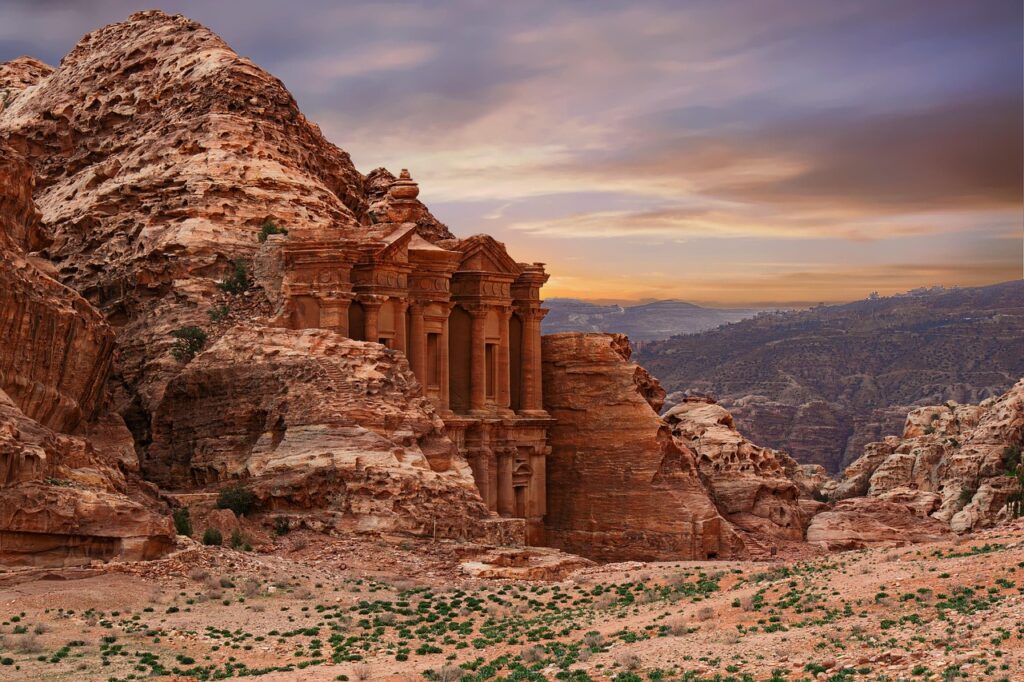

In the past, heritage sites were often left to decay, but nowadays, there is a greater awareness of the importance of preserving these historical locations. However, despite the best intentions, mistakes are still made, and these errors can have a significant impact on the site’s integrity. For instance, the ancient city of Petra in Jordan was once in a state of disrepair, but conservation efforts have helped to restore it to its former glory. On the other hand, the ancient city of Palmyra in Syria has suffered greatly due to conflict and neglect, highlighting the need for careful preservation and protection of heritage sites.
Heritage sites are not just important for their historical significance, but also for their cultural and economic value. They attract tourists, create jobs, and stimulate local economies. Nevertheless, the mistakes made at these sites can have far-reaching consequences, including damage to the site itself, loss of cultural heritage, and negative economic impacts. The importance of preserving heritage sites cannot be overstated, and it is crucial that mistakes are avoided to ensure the long-term conservation of these valuable locations.
The preservation of heritage sites is a complex task that requires careful planning, execution, and maintenance. It involves not only the restoration of the site itself but also the protection of its surroundings and the engagement of local communities. By understanding the common mistakes made at heritage sites and taking steps to avoid them, it is possible to preserve these historical locations for future generations. The conservation of heritage sites is an ongoing process that requires continuous effort and dedication.
Defining Heritage Sites
Heritage sites are locations that have significant cultural, historical, or natural value. They can include ancient monuments, historical buildings, cultural landscapes, and natural wonders. These sites are protected by national and international laws, and their preservation is considered essential for the conservation of human heritage. The definition of heritage sites is broad, encompassing a wide range of locations, from the Pyramids of Giza to the Grand Canyon.
Latest Heritage Site Technologies
1. Digital Preservation
Digital preservation involves the use of digital technologies to preserve and protect heritage sites. This can include the creation of digital models, virtual tours, and online archives. Digital preservation has become an essential tool in the conservation of heritage sites, as it allows for the creation of detailed records and the dissemination of information to a wide audience.
- Why It Works:
- Allows for the creation of detailed records of heritage sites
- Enables the dissemination of information to a wide audience
- Provides a cost-effective way to preserve heritage sites
- What Needs Work:
- The creation of digital models can be time-consuming and expensive
- The long-term preservation of digital data is a concern
- The lack of standardization in digital preservation can make it difficult to compare and contrast different sites
2. Sustainable Tourism
Sustainable tourism involves the development of tourism practices that minimize the negative impacts on heritage sites. This can include the implementation of eco-friendly policies, the creation of sustainable tourism infrastructure, and the education of tourists about the importance of preserving heritage sites.
- Why It Works:
- Reduces the negative impacts of tourism on heritage sites
- Promotes the conservation of heritage sites
- Provides economic benefits to local communities
- What Needs Work:
- The implementation of sustainable tourism practices can be challenging
- The lack of awareness among tourists about the importance of preserving heritage sites can make it difficult to implement sustainable tourism practices
- The need for continuous monitoring and evaluation to ensure the effectiveness of sustainable tourism practices
| Heritage Site | Location | Year of Inscription |
|---|---|---|
| Pyramids of Giza | Egypt | 1979 |
| Grand Canyon | United States | 1979 |
How This Affects Everyday Life
✔ Preservation of Cultural Heritage
The preservation of heritage sites is essential for the conservation of cultural heritage. It allows for the protection of historical locations, the promotion of cultural awareness, and the preservation of traditional practices.
✔ Economic Benefits
Heritage sites can provide significant economic benefits to local communities. They attract tourists, create jobs, and stimulate local economies.
✔ Environmental Conservation
The preservation of heritage sites can also contribute to environmental conservation. It promotes the protection of natural habitats, the conservation of biodiversity, and the reduction of pollution.
✔ Education and Awareness
Heritage sites can serve as educational tools, promoting awareness about the importance of preserving cultural heritage and the need for sustainable tourism practices.
✔ Community Engagement
The preservation of heritage sites can also promote community engagement, encouraging local communities to take an active role in the conservation of historical locations.
✔ Tourism Development
Heritage sites can contribute to tourism development, providing a unique and authentic experience for tourists and promoting the conservation of cultural heritage.
What’s Coming
- Increased use of digital technologies in the preservation of heritage sites
- Growing recognition of the importance of sustainable tourism practices
- Greater emphasis on community engagement and participation in the conservation of heritage sites
- Increased funding for the preservation of heritage sites
- Development of new technologies to support the conservation of heritage sites
- Greater awareness of the importance of preserving cultural heritage
Wrapping Up
The preservation of heritage sites is a complex task that requires careful planning, execution, and maintenance. By understanding the common mistakes made at heritage sites and taking steps to avoid them, it is possible to preserve these historical locations for future generations. The conservation of heritage sites is an ongoing process that requires continuous effort and dedication. The importance of preserving heritage sites cannot be overstated, and it is crucial that mistakes are avoided to ensure the long-term conservation of these valuable locations.
The use of digital technologies, sustainable tourism practices, and community engagement can all contribute to the preservation of heritage sites. The development of new technologies and the increased recognition of the importance of preserving cultural heritage will also play a crucial role in the conservation of these historical locations.
To wrap up, the preservation of heritage sites is essential for the conservation of cultural heritage, and it is crucial that mistakes are avoided to ensure the long-term conservation of these valuable locations. The importance of preserving heritage sites cannot be overstated, and it is essential that continuous effort and dedication are made to protect these historical locations.