
Most people have a limited understanding of traditional foods from different cultures, often relying on simplistic or inaccurate information. This can lead to a lack of appreciation for the complexity and diversity of global cuisine. Furthermore, the spread of misinformation can result in the loss of cultural heritage and the homogenization of traditional foods. Additionally, the failure to recognize the true origins and significance of these dishes can lead to cultural appropriation and misunderstanding.
The Basics of Traditional Foods
Traditional foods are dishes that have been passed down through generations, often originating from a specific cultural or geographical context. These foods are frequently characterized by the use of local ingredients, traditional cooking methods, and a strong sense of community and cultural identity. Traditional foods can take many forms, from street food to haute cuisine, and are often closely tied to the history and values of the culture from which they originate.
Traditional Foods Methods Worth Knowing
1. Sushi
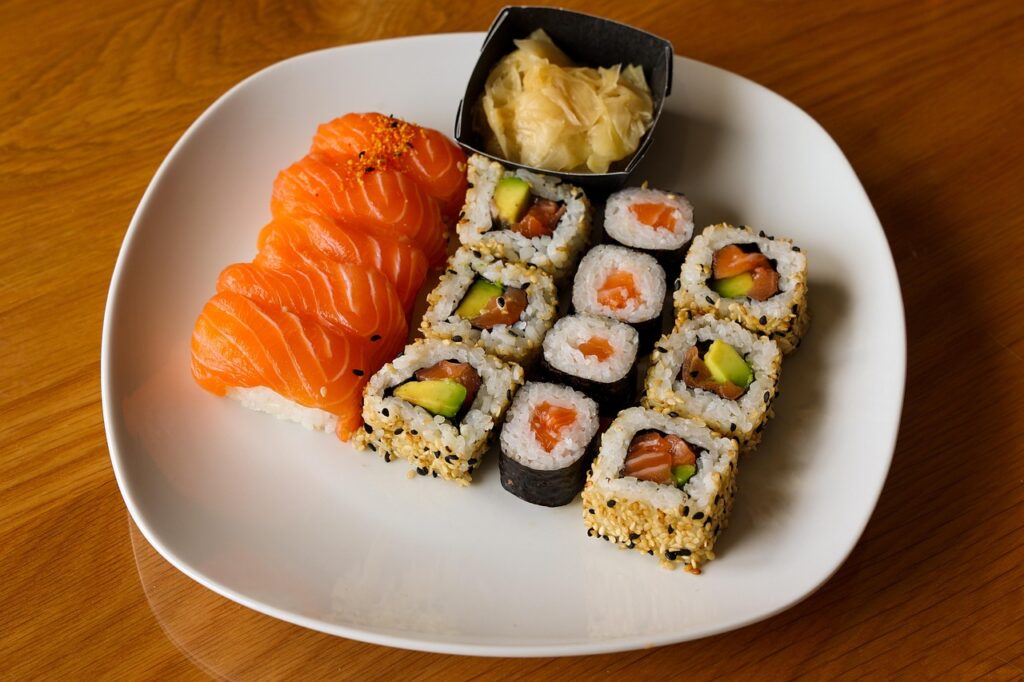
Sushi is a traditional Japanese dish made from vinegared rice and various toppings, such as raw fish or vegetables. While many people assume that sushi is a modern invention, it has a long history dating back to the 2nd century AD.
- Strengths:
- High nutritional value due to the use of fresh ingredients and minimal processing
- Culturally significant and deeply rooted in Japanese tradition
- Can be adapted to suit various tastes and dietary requirements
- Challenges:
- Requires specialized training and equipment to prepare correctly
- Can be expensive due to the high quality of ingredients used
- May not be suitable for all audiences due to the use of raw fish and other ingredients
2. Tacos
Tacos are a traditional Mexican dish consisting of a corn tortilla filled with various ingredients, such as meat, cheese, and vegetables. Despite their popularity, many people are unaware of the rich history and cultural significance of tacos.
- Strengths:
- Versatile and can be filled with a wide range of ingredients to suit different tastes
- Affordable and accessible, making them a staple of Mexican cuisine
- Can be easily adapted to suit various dietary requirements, such as vegetarian or gluten-free
- Challenges:
- May be high in calories and fat due to the use of fried tortillas and rich fillings
- Can be messy and difficult to eat, particularly for those who are not familiar with the dish
- May not be suitable for all audiences due to the use of certain ingredients, such as meat or dairy products
| Dish | Origin | Main Ingredients |
|---|---|---|
| Sushi | Japan | Vinegared rice, raw fish, vegetables |
| Tacos | Mexico | Corn tortilla, meat, cheese, vegetables |
The Impact on Consumers
Traditional foods can have a significant impact on consumers, influencing their perceptions of different cultures and shaping their eating habits. Some of the benefits of traditional foods include:
✔ Preservation of cultural heritage
Traditional foods play a vital role in preserving cultural heritage, allowing people to connect with their roots and appreciate the history and significance of different dishes.
✔ Promoting diversity and inclusivity
Traditional foods can promote diversity and inclusivity, encouraging people to try new dishes and experience different cultures.
✔ Supporting local economies
Traditional foods can support local economies, providing a means for small-scale farmers and food producers to sell their products and maintain their livelihoods.
✔ Offering health benefits
Many traditional foods are highly nutritious, offering a range of health benefits due to the use of fresh ingredients and minimal processing.
✔ Fostering community engagement
Traditional foods can foster community engagement, bringing people together and creating a sense of belonging and connection.
✔ Providing a sense of authenticity
Traditional foods can provide a sense of authenticity, allowing people to experience the true flavors and traditions of different cultures.
What Researchers Are Working On
- Investigating the nutritional benefits of traditional foods and their potential to address modern health problems
- Exploring the cultural significance of traditional foods and their role in preserving cultural heritage
- Developing new methods for preserving and promoting traditional foods, such as through food festivals and cooking classes
- Examining the impact of globalization on traditional foods and the potential for cultural homogenization
- Creating new products and dishes that combine traditional ingredients and techniques with modern flavors and presentation
- Documenting and preserving traditional food knowledge and techniques, such as through oral histories and cookbooks
One Last Thing
Traditional foods are a vital part of human culture and identity, offering a window into the history, values, and beliefs of different societies. By exploring and appreciating these dishes, people can gain a deeper understanding of the world and its many cultures. Furthermore, the preservation and promotion of traditional foods are essential for maintaining cultural diversity and ensuring that future generations can continue to enjoy and learn from these unique and flavorful dishes.