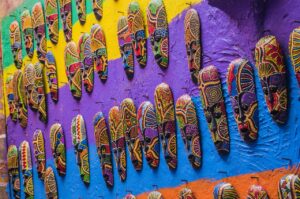

Indigenous cultures are gaining attention right now due to their rich traditions and significant contributions to society. With over 370 million indigenous people worldwide, these communities have a profound impact on the world’s cultural diversity. As a result, there is a growing interest in preserving and promoting indigenous heritage. The preservation of indigenous cultures is crucial for maintaining the world’s cultural diversity and promoting cross-cultural understanding.
Breaking Down Indigenous Cultures
Indigenous cultures refer to the traditional customs, practices, and beliefs of native peoples. These cultures have been passed down through generations and are often closely tied to the land and environment. Indigenous cultures are incredibly diverse, with each community having its unique traditions, languages, and histories. Despite their diversity, indigenous cultures share a common thread – a deep connection to their ancestral lands and a strong sense of community.
Leading Indigenous Solutions
1. Cultural Preservation Programs
Cultural preservation programs are designed to protect and promote indigenous cultures. These programs often involve the documentation of traditional practices, language preservation, and the development of cultural education programs.
- Key Benefits:
- Promotes cross-cultural understanding and awareness
- Supports the preservation of indigenous languages and traditions
- Provides economic benefits through tourism and cultural exchange
- Known Issues:
- Funding constraints and limited resources
- Cultural appropriation and exploitation
- Difficulty in reaching remote indigenous communities
2. Indigenous Education Initiatives
Indigenous education initiatives aim to improve education outcomes for indigenous students. These initiatives often involve the development of culturally relevant curriculum, teacher training, and community engagement programs.
- Key Benefits:
- Improves education outcomes for indigenous students
- Supports the preservation of indigenous languages and cultures
- Provides opportunities for indigenous students to become leaders and role models
- Known Issues:
- Limited access to quality education in remote areas
- Cultural barriers and biases in the education system
- Funding constraints and limited resources
| Initiative | Description | Benefits |
|---|---|---|
| Cultural Preservation Programs | Documentation of traditional practices, language preservation, and cultural education programs | Promotes cross-cultural understanding, supports language preservation, and provides economic benefits |
| Indigenous Education Initiatives | Culturally relevant curriculum, teacher training, and community engagement programs | Improves education outcomes, supports language preservation, and provides leadership opportunities |
The Impact on Consumers
The preservation of indigenous cultures has a significant impact on consumers. By supporting indigenous cultures, consumers can:
✔ Experience unique cultural traditions and practices
Consumers can experience the rich cultural heritage of indigenous communities by attending cultural festivals, trying traditional foods, and learning about indigenous customs.
✔ Support indigenous economies and communities
By purchasing indigenous-made products and supporting indigenous-owned businesses, consumers can contribute to the economic development of indigenous communities.
✔ Promote cross-cultural understanding and awareness
Consumers can promote cross-cultural understanding and awareness by learning about indigenous cultures, attending cultural events, and engaging in respectful dialogue with indigenous peoples.
✔ Contribute to the preservation of indigenous languages and traditions
By supporting indigenous language preservation programs and cultural education initiatives, consumers can help preserve the cultural heritage of indigenous communities.
✔ Enjoy a more diverse and vibrant cultural landscape
The preservation of indigenous cultures contributes to a more diverse and vibrant cultural landscape, with a wider range of cultural practices, traditions, and perspectives.
✔ Support reconciliation and reconciliation efforts
By supporting indigenous cultures and communities, consumers can contribute to reconciliation efforts and help address the historical injustices faced by indigenous peoples.
What Researchers Are Working On
- Developing new methods for documenting and preserving indigenous languages
- Creating culturally relevant education programs for indigenous students
- Investigating the impact of climate change on indigenous communities and cultures
- Examining the relationship between indigenous cultures and mental health outcomes
- Developing strategies for promoting indigenous cultural heritage and tourism
- Exploring the potential of indigenous knowledge systems for addressing global challenges
What It All Means
The preservation of indigenous cultures is essential for maintaining the world’s cultural diversity and promoting cross-cultural understanding. By supporting indigenous cultures and communities, consumers can contribute to the preservation of indigenous heritage and promote a more diverse and vibrant cultural landscape. The ongoing efforts to preserve and promote indigenous cultures will have a lasting impact on society, with benefits for indigenous communities, consumers, and the environment.