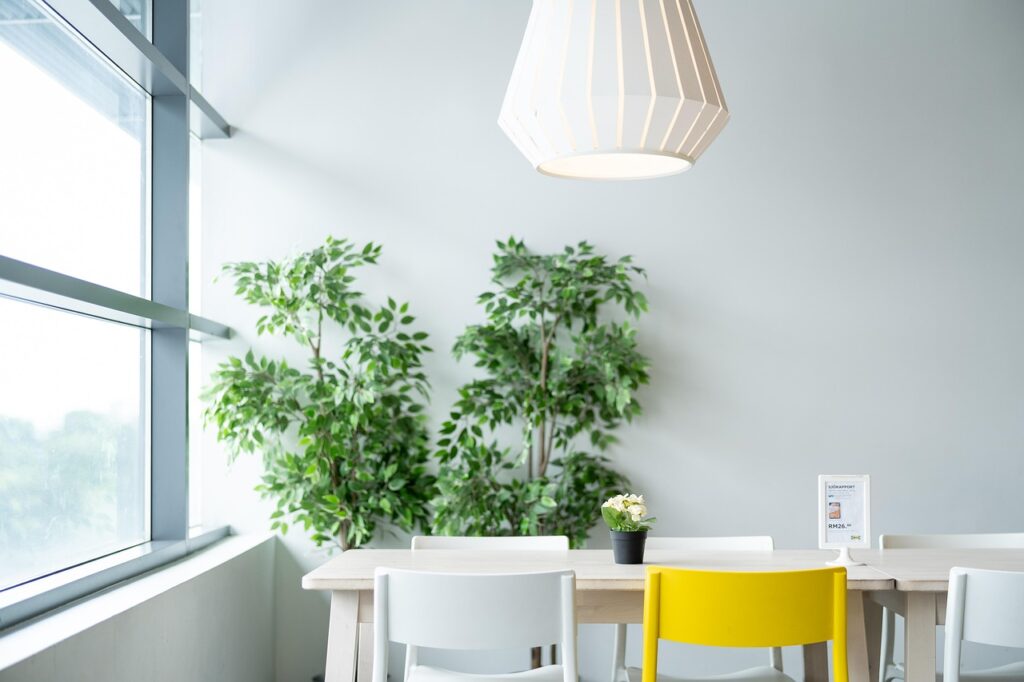

Many people have misconceptions about minimalist living, believing it to be an extreme lifestyle that involves depriving oneself of all comforts and luxuries. Others think it is only for those who are financially strapped or for individuals who have a particular aesthetic preference. However, these notions are far from the truth. Minimalist living is about living intentionally and mindfully, focusing on what truly adds value to one’s life.
Understanding Minimalist Living
Minimalist living is a lifestyle choice that involves simplifying one’s living space, possessions, and habits to focus on what is truly important. It is not about depriving oneself of comforts or luxuries, but about being mindful of consumption and waste. Minimalist living can take many forms, from simple decluttering to adopting a completely minimalist lifestyle, and can be tailored to suit individual needs and preferences.
Latest Minimalist Living Technologies
1. Smart Home Devices
Smart home devices are designed to make living spaces more efficient and convenient. These devices can help minimize energy consumption, reduce waste, and simplify household tasks.
- Advantages:
- Energy efficiency
- Convenience
- Customization
- Known Issues:
- High upfront costs
- Dependence on technology
- Privacy concerns
2. Minimalist Furniture
Minimalist furniture is designed to be functional, simple, and space-efficient. It can help reduce clutter, create a sense of calm, and make living spaces more versatile.
- Advantages:
- Space efficiency
- Aesthetically pleasing
- Cost-effective
- Known Issues:
- Limited customization options
- May not be suitable for large families
- Can be expensive
| Furniture Type | Description | Benefits |
|---|---|---|
| Sofa Bed | A sofa that converts into a bed | Space efficiency, versatility |
| Wall-Mounted Desk | A desk that is mounted on the wall | Space efficiency, minimalist aesthetic |
Why People Are Paying Attention
There are several reasons why people are paying attention to minimalist living. Some of the key benefits include:
✔ Reduced stress and anxiety
Living in a clutter-free and organized environment can help reduce stress and anxiety. When living spaces are simple and uncluttered, it can be easier to focus and relax.
✔ Increased productivity
Minimalist living can help increase productivity by reducing distractions and creating a sense of calm. When living spaces are simple and organized, it can be easier to focus on tasks and achieve goals.
✔ Improved mental clarity
Minimalist living can help improve mental clarity by reducing clutter and creating a sense of simplicity. When living spaces are uncluttered, it can be easier to think clearly and make decisions.
✔ Environmental benefits
Minimalist living can help reduce waste and minimize environmental impact. By reducing consumption and living simply, individuals can help reduce their carbon footprint and contribute to a more sustainable future.
✔ Cost savings
Minimalist living can help individuals save money by reducing consumption and living simply. By avoiding unnecessary purchases and living in a smaller space, individuals can reduce their expenses and save money.
✔ Increased freedom
Minimalist living can help individuals feel more free and flexible. By reducing clutter and living simply, individuals can create a sense of freedom and flexibility that can be beneficial for personal growth and development.
Where This Is Headed
- Increased adoption of minimalist living principles in mainstream culture
- More companies offering minimalist-friendly products and services
- Greater emphasis on sustainability and environmentalism in minimalist living
- More people seeking out minimalist living communities and support groups
- Increased focus on mental health and wellness in minimalist living
- More research on the benefits and challenges of minimalist living
The Bottom Line
Minimalist living is a lifestyle choice that involves simplifying one’s living space, possessions, and habits to focus on what is truly important. It is not about depriving oneself of comforts or luxuries, but about being mindful of consumption and waste. By adopting minimalist living principles, individuals can reduce stress and anxiety, increase productivity, and improve mental clarity, while also contributing to a more sustainable future.
Ultimately, minimalist living is a personal choice that requires intention, discipline, and patience. However, the benefits can be significant, and it is an option worth considering for those looking to simplify their lives and focus on what truly matters.