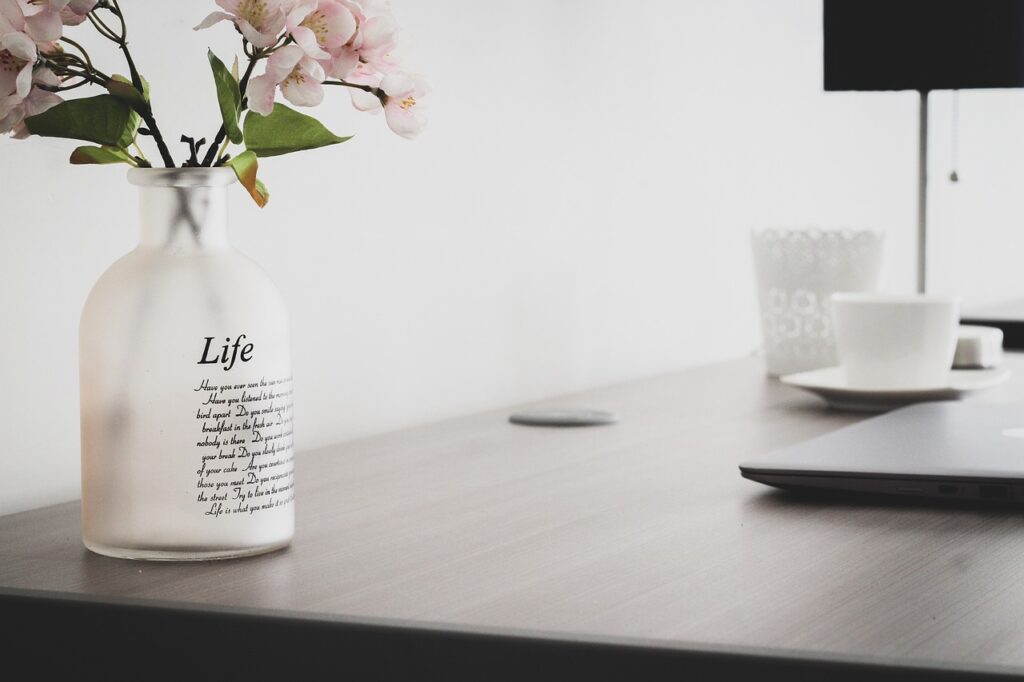

A significant number of people struggle with cluttered living spaces and overwhelming amounts of possessions, leading to increased stress levels and decreased productivity. The burden of maintaining and organizing these belongings can be substantial, taking away from the time and energy that could be spent on more meaningful activities. Furthermore, the constant pursuit of material possessions can result in a sense of dissatisfaction and disconnection from what truly brings happiness. However, there is a growing movement towards embracing a more minimalist lifestyle, which can provide a sense of freedom and clarity.
A Closer Look at Minimalism
Minimalism is a lifestyle that emphasizes simplicity and intentionality, focusing on what is truly essential and eliminating the non-essential. It is about living with fewer possessions, reducing clutter, and creating a more organized and peaceful living environment. By embracing minimalism, individuals can cultivate a greater sense of awareness and appreciation for the things that truly add value to their lives, such as relationships, personal growth, and experiences.
Major Minimalist Developments
1. Decluttering and Organizing
One of the primary steps in adopting a minimalist lifestyle is to declutter and organize living spaces. This involves sorting through possessions, identifying what is truly necessary, and letting go of items that no longer serve a purpose or bring joy. By creating a more streamlined and organized environment, individuals can reduce stress and increase productivity.
- Why It Works:
- Reduces visual clutter and creates a sense of calm
- Increases productivity by reducing time spent searching for items
- Allows for a greater sense of focus and intentionality
- What Needs Work:
- Can be a challenging and time-consuming process, especially for those with large amounts of clutter
- Requires a willingness to let go of sentimental items or items with emotional attachment
2. Simplifying Wardrobes and Shopping Habits
Another key aspect of minimalist living is simplifying wardrobes and shopping habits. This involves adopting a more intentional approach to fashion, focusing on high-quality, versatile pieces that can be mixed and matched to create a variety of outfits. By reducing the number of clothing items and accessories, individuals can reduce decision fatigue and create a more streamlined wardrobe.
- Why It Works:
- Reduces decision fatigue and creates a more streamlined wardrobe
- Increases the quality and versatility of clothing items
- Allows for a greater sense of personal style and expression
- What Needs Work:
- Can be challenging for those who enjoy shopping or have a strong emotional attachment to clothing items
- Requires a willingness to invest in higher-quality, more expensive clothing items
| Minimalist Lifestyle Benefits | Description |
|---|---|
| Reduced Stress | Living with fewer possessions and a more organized environment can reduce stress and anxiety. |
| Increased Productivity | By reducing clutter and creating a more streamlined environment, individuals can increase productivity and focus. |
| Improved Finances | Adopting a minimalist lifestyle can lead to reduced spending and improved financial management. |
Why This Matters to You
✔ Reduced Stress
By embracing a minimalist lifestyle, individuals can reduce stress and anxiety caused by cluttered living spaces and overwhelming amounts of possessions. This can lead to a greater sense of calm and well-being.
✔ Increased Productivity
A more organized and streamlined environment can increase productivity and focus, allowing individuals to achieve their goals and pursue their passions.
✔ Improved Finances
By reducing spending and adopting a more intentional approach to consumption, individuals can improve their financial management and achieve greater financial stability.
✔ Greater Sense of Purpose
Minimalist living can help individuals cultivate a greater sense of purpose and intentionality, allowing them to focus on what truly matters and live a more meaningful life.
✔ More Free Time
By reducing the time spent on maintaining and organizing possessions, individuals can create more free time for hobbies, relationships, and personal growth.
✔ Improved Relationships
A more minimalist lifestyle can lead to improved relationships, as individuals are able to focus on the people and experiences that truly matter, rather than being distracted by material possessions.
Looking Ahead
- The minimalist movement is expected to continue growing, with more individuals embracing a simpler, more intentional lifestyle.
- Technology will play a key role in supporting minimalist living, with apps and tools designed to help individuals track and manage their possessions.
- Sustainable living will become increasingly important, with individuals seeking to reduce their environmental impact and live more eco-friendly lifestyles.
- Minimalist fashion will continue to evolve, with a focus on high-quality, versatile, and sustainable clothing items.
- Community and connection will become more important, with individuals seeking to build relationships and connections with like-minded individuals.
- Personal growth and development will be a key focus, with individuals seeking to cultivate a greater sense of purpose and intentionality in their lives.
Worth Remembering
Embracing a minimalist lifestyle is a personal path, and what works for one individual may not work for another. It is essential to approach minimalism with an open mind and a willingness to experiment and adapt. By doing so, individuals can create a more streamlined, organized, and fulfilling life that truly reflects their values and priorities.
Ultimately, the key to a successful minimalist lifestyle is to focus on what truly adds value and meaning, and to let go of what does not. By doing so, individuals can cultivate a greater sense of awareness, appreciation, and fulfillment in their lives.
By embracing the principles of minimalism, individuals can create a more intentional, organized, and peaceful living environment that supports their well-being and happiness.


Nice one