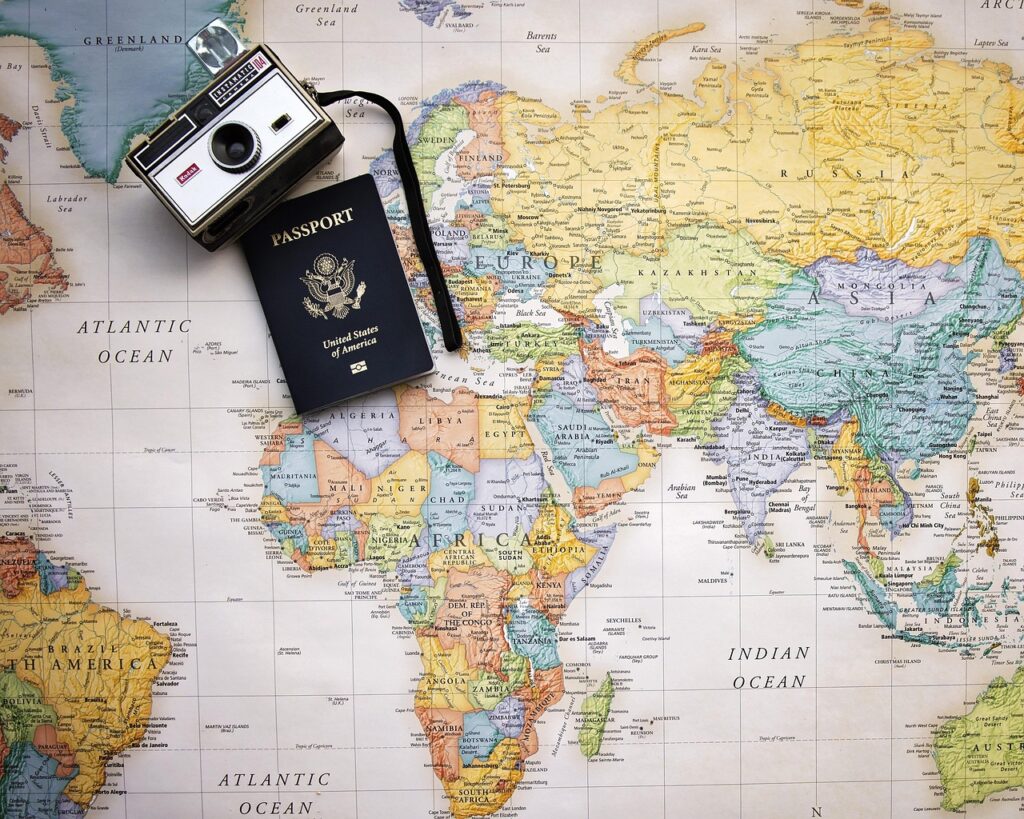

Imagine walking through a foreign city, camera in hand, trying to capture the essence of the place. The sounds, the smells, the sights – everything is new and exciting. But as a beginner, it can be overwhelming to know where to start when it comes to travel photography.
The goal is to tell a story with your photos, to transport the viewer to the place you are capturing. With a few simple tips and tricks, anyone can take their travel photography to the next level. Whether you’re using a smartphone or a DSLR camera, the principles of good photography remain the same.
From understanding your camera settings to composing the perfect shot, travel photography is all about experimentation and practice. With patience and dedication, you can capture stunning images that will make your friends and family feel like they’re right there with you.
So, where do you start? Let’s begin with the basics and work our way up to more advanced techniques.
Defining Travel Photography
Travel photography is a type of photography that involves capturing images while traveling, whether it’s a weekend getaway or a month-long trip around the world. It’s about telling a story with your photos, showcasing the people, places, and cultures you encounter along the way.
Major Travel Photography Developments
1. Understanding Your Camera
Before you can start taking great travel photos, you need to understand your camera. Whether you’re using a smartphone or a DSLR, it’s essential to know how to use the different modes and settings to get the best results.
- Why It Works:
- Understanding your camera’s settings allows you to capture images in different lighting conditions
- Knowing how to use the different modes, such as portrait or landscape, helps you to compose the perfect shot
- Familiarity with your camera’s settings saves time and reduces frustration when trying to capture a shot
- Challenges:
- Learning the different camera settings and modes can be overwhelming for beginners
- It can take time and practice to become comfortable using your camera’s settings
2. Composition Techniques
Composition is key to taking great travel photos. It’s about creating a visually appealing image that draws the viewer in and tells a story.
- Why It Works:
- Using the rule of thirds creates a more balanced and interesting image
- Leading lines and framing elements help to guide the viewer’s eye through the image
- Pay attention to symmetry and patterns to add depth and interest to your photos
- Challenges:
- It can be difficult to see the composition of an image when you’re in the moment, trying to capture a shot
- It takes practice to develop an eye for composition and to anticipate what will make a great image
| Camera Setting | Description | When to Use |
|---|---|---|
| Aperture Priority | Allows you to set the aperture, while the camera adjusts the shutter speed | When you want to control the depth of field in your image |
| Shutter Priority | Allows you to set the shutter speed, while the camera adjusts the aperture | When you want to create a sense of motion or blur in your image |
Practical Takeaways
✔ Understand your camera’s settings
Take the time to read your camera’s manual and practice using the different modes and settings. This will help you to capture images in different lighting conditions and to compose the perfect shot.
✔ Pay attention to composition
Remember the rule of thirds, leading lines, and framing elements when composing your shot. This will help to create a visually appealing image that draws the viewer in and tells a story.
✔ Experiment with different angles and perspectives
Don’t be afraid to get low or climb high to capture a unique perspective. This will add depth and interest to your photos and help to tell a story.
✔ Respect local customs and traditions
Remember to respect local customs and traditions when taking photos, especially when photographing people or sensitive subjects. This will help to avoid offending anyone and to create a positive and respectful experience.
✔ Backup your photos regularly
Make sure to backup your photos regularly, either to a cloud storage service or to an external hard drive. This will help to protect your photos in case your camera or computer is lost, stolen, or damaged.
✔ Keep practicing and learning
The more you practice and learn, the better your travel photos will become. Take online courses, attend workshops, and read books to continue improving your skills and knowledge.
What’s Coming
- Advances in camera technology, such as improved sensors and lenses
- Increased use of drones and other aerial photography equipment
- More emphasis on storytelling and documentary-style photography
- Greater importance placed on respecting local customs and traditions
- Increased use of social media and online platforms to share travel photos
- More opportunities for travel photographers to monetize their work and build a career
One Last Thing
Travel photography is a skill that takes time and practice to develop, but with patience and dedication, anyone can capture stunning images that tell a story and transport the viewer to another place and time.
By following these tips and continuing to learn and improve, you can take your travel photography to the next level and create a portfolio of images that you can be proud of.
So, grab your camera and start shooting – the world is waiting for you.