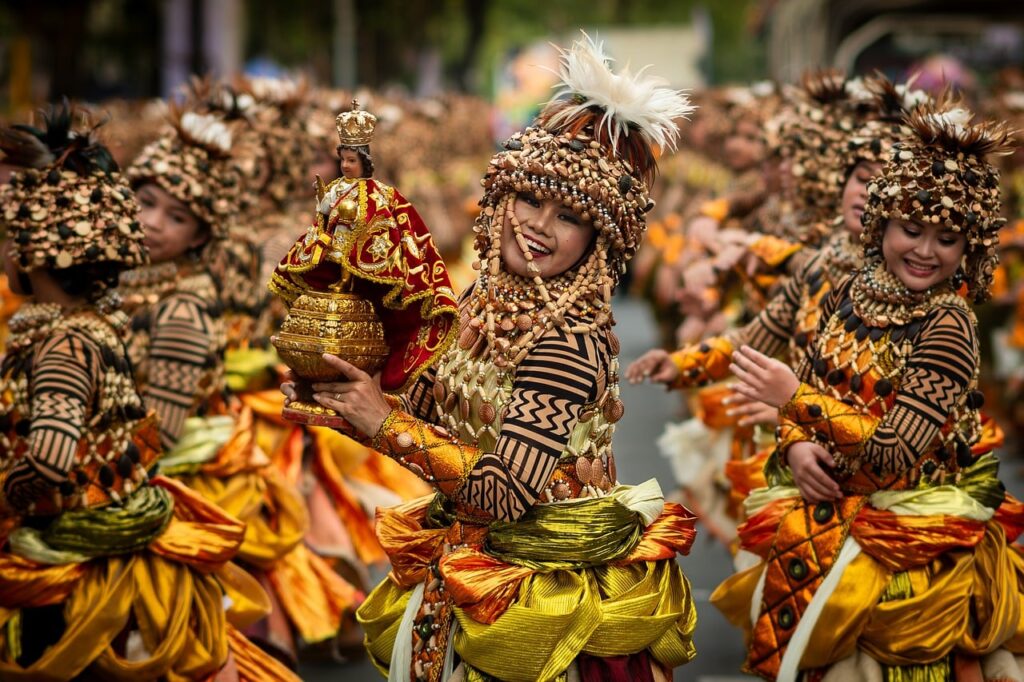

In the small town of Buñol, Spain, a peculiar festival called La Tomatina takes place every year, where thousands of people gather to throw tons of tomatoes at each other, creating a sea of red. This festival is just one example of the many unique and fascinating cultural events that happen around the world. Choosing the right festival to attend can be a daunting task, as each one offers a distinct experience that can leave a lasting impression. With so many options available, it’s essential to research and understand the significance of each festival to make the most of the experience. Every year, millions of people travel to different parts of the world to participate in these celebrations, which have become an integral part of our global culture.
📝 Table of Contents
A Closer Look at Cultural Festivals
Cultural festivals have been an essential part of human civilization for centuries, serving as a platform for people to come together, share their traditions, and showcase their heritage. These events often reflect the history, values, and beliefs of a community, providing a unique insight into the local way of life. For instance, the Day of the Dead festival in Mexico is a celebration of the lives of deceased loved ones, where families honor their ancestors with elaborate altars, food, and decorations. Understanding the context and significance of each festival is crucial to appreciating the true spirit of these events. To compare and evaluate different festivals, it’s essential to consider factors such as the date, location, attendance, and activities involved.
The following table highlights some key metrics to consider when evaluating cultural festivals:
| Festival | Date | Location | Attendance |
|---|---|---|---|
| Carnival | February/March | Rio de Janeiro, Brazil | 2 million |
| Diwali | October/November | India | 1 billion |
| Tomatina | August | Buñol, Spain | 20,000 |
| Day of the Dead | November | Mexico | 1 million |
Latest Cultural Festival Technologies
Music Festivals
Music festivals have become a staple of modern cultural celebrations, featuring a wide range of genres and artists. These events often take place in large outdoor venues, such as Coachella in California, which attracts hundreds of thousands of people every year. The festival features a diverse lineup of musicians, from rock and pop to hip-hop and electronic dance music. With the help of technology, music festivals have become more accessible and engaging, with features such as live streaming, mobile apps, and social media integration.
- Strengths:
- Unique and diverse musical performances
- Opportunities for socializing and networking
- Exposure to new and emerging artists
- Hurdles to Overcome: get the details here
- High ticket prices and costs
- Crowds and long wait times
- Environmental impact and waste management
Best for: Music lovers and fans of live performances.
Food Festivals
Food festivals have gained immense popularity in recent years, celebrating the diverse culinary traditions from around the world. These events often feature a wide range of cuisines, from street food to haute cuisine, and provide a platform for chefs, restaurants, and food vendors to showcase their creations. The Taste of Chicago, for example, is one of the largest food festivals in the world, attracting millions of people every year.
- Strengths:
- Opportunities to try new and exotic foods
- Cultural exchange and education
- Support for local businesses and communities
- Hurdles to Overcome:
- Food safety and hygiene concerns
- High costs and expensive ticket prices
- Crowds and long wait times
Best for: Foodies and adventurous eaters.
Religious Festivals
Religious festivals are an integral part of many cultures, often commemorating significant events, figures, or traditions. The Hajj, for example, is a sacred pilgrimage in Islam, where millions of people travel to Mecca every year to perform rituals and ceremonies. These events provide a sense of community and belonging, and are often marked by prayer, reflection, and celebration.
- Strengths:
- Spiritual growth and enlightenment
- Community building and social bonding
- Cultural exchange and education
- Hurdles to Overcome:
- Cultural and linguistic barriers
- Logistical challenges and crowd management
- Security concerns and safety risks
Best for: Those seeking spiritual growth and community.
Arts and Culture Festivals
Arts and culture festivals celebrate the creative expressions of human imagination, featuring a wide range of performances, exhibitions, and installations. The Venice Biennale, for example, is one of the most prestigious art festivals in the world, showcasing the works of artists, architects, and designers from around the globe.
- Strengths:
- Exposure to new and innovative art forms
- Opportunities for creative expression and collaboration
- Cultural exchange and education
- Hurdles to Overcome:
- High costs and expensive ticket prices
- Elitism and exclusivity
- Logistical challenges and crowd management
Best for: Art enthusiasts and creatives.
Sporting Festivals
Sporting festivals have become a popular form of entertainment, featuring a wide range of sports and competitions. The Olympics, for example, is one of the largest and most prestigious sporting events in the world, bringing together athletes from around the globe to compete in various disciplines.
- Strengths:
- Opportunities for athletic competition and achievement
- International cooperation and diplomacy
- Global audience and media coverage
- Hurdles to Overcome:
- High costs and expensive ticket prices
- Logistical challenges and crowd management
- Performance pressure and stress
Best for: Sports enthusiasts and athletes.
| Option | Best For | Difficulty | Cost | Speed |
|---|---|---|---|---|
| Music Festivals | Music lovers | Easy | High | Fast |
| Food Festivals | Foodies | Easy | Medium | Medium |
| Religious Festivals | Spiritual seekers | Medium | Low | Slow |
| Arts and Culture Festivals | Art enthusiasts | Medium | High | Medium |
| Sporting Festivals | Sports enthusiasts | Hard | High | Fast |
How to Choose the Right One
With so many cultural festivals to choose from, it’s essential to consider several factors before making a decision. Personal interests and preferences should be the primary consideration, as attending a festival that aligns with one’s passions and hobbies can greatly enhance the experience. Additionally, budget and cost should be taken into account, as some festivals can be quite expensive, while others may offer more affordable options.
Location and accessibility are also crucial factors to consider, as some festivals may be located in remote or hard-to-reach areas. Furthermore, cultural sensitivity and respect should be exercised when attending festivals that may be unfamiliar or outside of one’s own cultural background. It’s essential to research and understand the local customs, traditions, and protocols to avoid unintended offense or disrespect.
Another important factor to consider is safety and security, as some festivals may pose risks or dangers, such as large crowds, loud music, or unfamiliar environments. Attendees should take necessary precautions and stay informed about potential hazards or concerns. Finally, community engagement and social interaction should be considered, as festivals offer a unique opportunity to connect with like-minded individuals and build relationships.
Ultimately, the right festival will depend on individual preferences and priorities. By considering these factors and doing thorough research, attendees can ensure a memorable and enjoyable experience. It’s also essential to be open-minded, flexible, and willing to step out of one’s comfort zone, as festivals often offer unexpected surprises and discoveries. right festival will
When evaluating festivals, it’s also important to consider the organizers and management of the event, as a well-organized and well-managed festival can greatly enhance the overall experience. Additionally, sustainability and environmental impact should be taken into account, as some festivals may have a significant ecological footprint or carbon emissions.
How This Affects Everyday Life
Cultural festivals have a profound impact on everyday life, influencing the way we think, feel, and interact with each other. They provide a platform for cross-cultural exchange and understanding, allowing people to learn about and appreciate different customs, traditions, and beliefs.
Festivals also have a significant economic impact, generating revenue and job opportunities for local communities. They can also promote tourism and cultural heritage, showcasing the unique attractions and characteristics of a region or city.
In addition, festivals can have a therapeutic effect, providing a much-needed break from the stresses and routines of daily life. They offer a chance to relax, unwind, and recharge, surrounded by music, art, food, and entertainment.
Festivals can also foster community spirit and social bonding, bringing people together and creating a sense of belonging and connection. They provide a shared experience that can be enjoyed by people of all ages, backgrounds, and cultures.
Moreover, festivals can inspire creativity and innovation, providing a platform for artists, musicians, and performers to showcase their talents and express themselves. They can also preserve cultural heritage and traditions, passing down customs and practices to future generations.
Finally, festivals can promote global understanding and cooperation, bringing people together from around the world to celebrate their differences and shared humanity. They offer a unique opportunity for diplomacy and international relations, fostering greater understanding and collaboration between nations and cultures.
What It All Means
Cultural festivals are a vibrant and essential part of human culture, offering a wide range of experiences, traditions, and celebrations. By understanding and appreciating these events, we can gain a deeper insight into the diversity and richness of human expression. Ultimately, festivals have the power to unite and inspire us, promoting greater understanding, cooperation, and peace among nations and cultures.
The significance of cultural festivals lies in their ability to bring people together and create a sense of community, providing a shared experience that transcends borders, languages, and cultures. By embracing and celebrating these events, we can foster a more inclusive and harmonious world, where diversity is valued and respected.
To wrap up, cultural festivals are a powerful force for good and positive change, offering a unique opportunity for people to come together, learn from each other, and celebrate their shared humanity. By supporting and participating in these events, we can help create a more peaceful and harmonious world, where cultural diversity is cherished and respected.