
Introduction
Are you someone who has just discovered the richness of cultural festivals around the world? Have you ever wondered what makes these festivals so significant and why they attract millions of attendees every year? What if the most popular advice on experiencing these festivals is incomplete, missing out on the depth and true essence of these celebrations? As a beginner, navigating the vast array of festivals can be overwhelming, with questions about where to start, what to expect, and how to truly immerse oneself in these cultural experiences.
📝 Table of Contents
Understanding Cultural Festivals
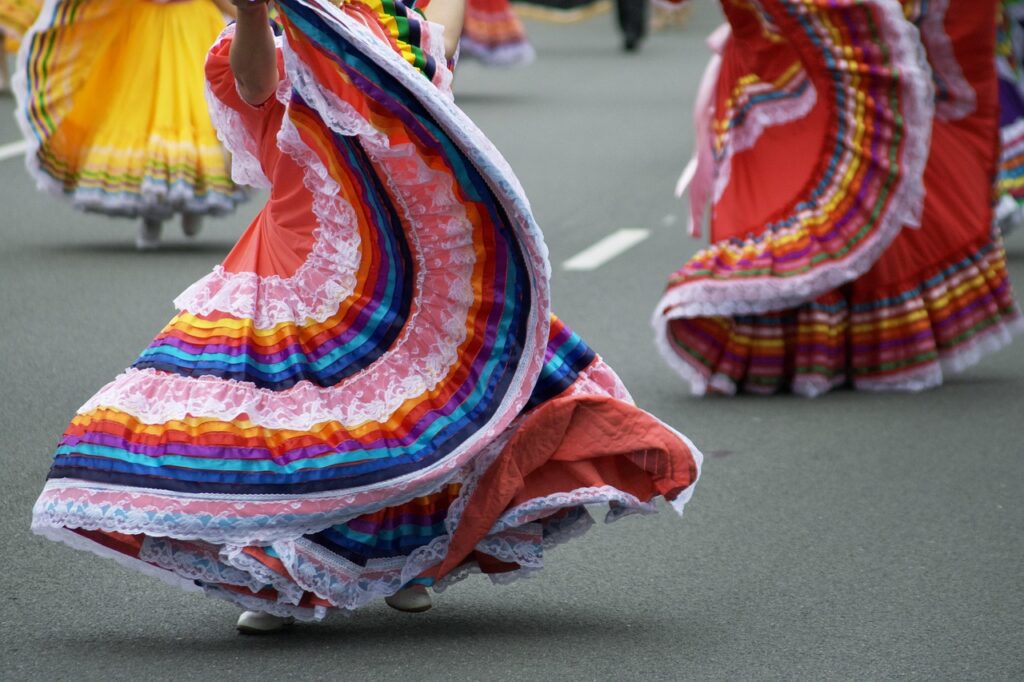
Cultural festivals are events that celebrate the traditions, customs, and heritage of a particular community or nation. They are a way to preserve cultural identity, promote unity, and showcase the artistic and culinary expressions of a people. These festivals can range from religious ceremonies to secular celebrations, each with its unique rituals, music, dance, and food.
| Term | Plain-English Meaning |
|---|---|
| Cultural Festival | An event celebrating a community’s customs and traditions. |
| Heritage | The customs, traditions, and cultural elements passed down from ancestors. |
| Tradition | Long-established customs or ways of doing things. |
| Community | A group of people living in the same place or having a common interest. |
| Celebration | An event to commemorate a special occasion or achievement. |
| Rituals | Ceremonial acts or practices, often part of a festival. |
Why Top Cultural Festivals Around the World Matters
The significance of cultural festivals lies in their ability to bring people together, promote cross-cultural understanding, and provide a platform for artistic expression. For instance, the Rio Carnival in Brazil attracts over 2 million people per day, fostering a sense of community and showcasing Brazilian culture on a global stage. Similarly, the Diwali festival in India, with its vibrant lights and fireworks, symbolizes the victory of light over darkness, spreading a message of hope and peace. These festivals not only contribute to the local economy but also play a crucial role in preserving cultural heritage, with many festivals incorporating traditional music, dance, and crafts that are passed down through generations.
The impact of cultural festivals can be seen in the way they influence local and national identities. For example, the Tomatina festival in Spain, where participants throw tomatoes at each other, has become a symbol of Spanish fun and playfulness, attracting tourists from around the world. Furthermore, festivals like the Cherry Blossom Festival in Japan, which celebrates the beauty of nature, promote environmental awareness and the appreciation of natural beauty.
The diversity and richness of cultural festivals around the world are a testament to human creativity and the importance of community. They offer a unique opportunity for people to learn about different cultures, try new foods, and enjoy various forms of entertainment. Whether it’s the vibrant colors of the Holi festival in India, the majestic floats of the Mardi Gras in New Orleans, or the solemn processions of the Semana Santa in Spain, each festival is a window into the traditions, values, and history of its respective community.
Key Cultural Festival Advancements
1. Research and Planning
Researching and planning are crucial steps in experiencing cultural festivals. This involves looking into the festival’s history, significance, and customs, as well as planning logistics such as accommodations, transportation, and tickets. Effective planning ensures that attendees can fully immerse themselves in the festival, understanding its context and participating in its activities. A common beginner mistake is underestimating the crowd and not planning for sufficient time to explore all aspects of the festival.
- What You Gain:
- Deeper understanding of the festival’s cultural significance
- Better planning leads to a more enjoyable and stress-free experience
2. Cultural Sensitivity
Approaching cultural festivals with sensitivity is essential. This means respecting local customs, dress codes, and rules, and being mindful of one’s behavior to avoid unintentionally offending the local community. Cultural sensitivity enhances the festival experience, allowing attendees to form meaningful connections with the culture and its people. A common mistake is not respecting local traditions and customs.
- What You Gain:
- A more authentic and respectful experience of the culture
- Positive interactions with the local community
3. Language and Communication
Learning key phrases in the local language can significantly enhance the festival experience. It facilitates communication with locals, allows for a deeper understanding of the festival’s context, and shows respect for the culture. Effective communication helps in navigating the festival, finding hidden gems, and engaging with the community. A common error is relying solely on English, which can limit interactions and understanding.
- What You Gain:
- Improved communication with locals and a more immersive experience
- Ability to appreciate the festival’s nuances and details
4. Respect for Environment
Being mindful of one’s environmental impact during festivals is crucial. This involves reducing waste, using eco-friendly products, and respecting natural habitats. Festivals can have a significant environmental footprint, and attendees can contribute to mitigating this by adopting sustainable practices. A common mistake is not considering the environmental consequences of one’s actions. ones environmental impact
- What You Gain:
- Contribution to a more sustainable festival experience
- Setting an example for others to follow environmentally friendly practices
5. Engaging with Locals
Engaging with locals is a key part of the festival experience. It involves participating in community activities, attending local workshops, and engaging in conversations with residents. This not only enhances one’s understanding of the culture but also fosters global connections and friendships. A common error is sticking solely to tourist areas and missing out on authentic interactions.
- What You Gain:
- Deeper connections with the local community and culture
- Opportunities for lifelong friendships and networks
6. Trying Local Cuisine
Sampling local cuisine is an integral part of any cultural festival experience. Festivals often showcase traditional dishes, drinks, and sweets, which are not only delicious but also carry cultural significance. Trying local food helps in understanding the community’s culinary traditions and preferences. A common mistake is sticking to familiar foods and missing out on the gastronomic delights of the festival.
- What You Gain:
- A taste of the authentic flavors and culinary heritage of the community
- Insights into the cultural significance of food in the community
7. Reflection and Sharing
Reflecting on one’s festival experience and sharing it with others is a valuable step. This involves journaling, blogging, or using social media to convey the lessons learned, cultural insights gained, and the impact of the festival on one’s perspective. Sharing experiences can inspire others to explore cultural festivals and promote cross-cultural understanding. A common error is not taking the time to reflect on the experience, thereby missing the opportunity to deepen one’s understanding and share valuable insights.
- What You Gain:
- A deeper personal understanding of the cultural significance of the festival
- The ability to inspire and educate others about different cultures
| Step | What You Do | Expected Result |
|---|---|---|
| 1. Research and Planning | Look into the festival’s history and plan logistics | A more informed and enjoyable festival experience |
| 2. Cultural Sensitivity | Respect local customs and traditions | A respectful and authentic experience of the culture |
| 3. Language and Communication | Learn key phrases in the local language | Improved communication and a deeper understanding of the culture |
| 4. Respect for Environment | Adopt sustainable practices during the festival | Contribution to a more sustainable festival experience |
| 5. Engaging with Locals | Participate in community activities and engage with locals | Deeper connections with the local community and culture |
| 6. Trying Local Cuisine | Sample traditional foods and drinks | A culinary exploration of the community’s traditions |
| 7. Reflection and Sharing | Reflect on the experience and share insights | A deeper personal understanding and the ability to inspire others |
Frequently Asked Questions
What is the most popular cultural festival in the world?
The most popular cultural festival can vary depending on the criteria used, such as attendance or global recognition. However, festivals like the Rio Carnival, the Tomatina festival, and the Diwali celebrations are among the most well-known and widely attended. Each festival has its unique appeal and attracts visitors from around the globe.
How can I find cultural festivals happening around the world?
Finding cultural festivals can be done through various means, including online research, travel guides, and social media platforms. Many festivals have dedicated websites and social media accounts that provide detailed information on dates, locations, and activities. Additionally, travel websites and cultural event calendars can be valuable resources for discovering upcoming festivals. Finding cultural festivals
What should I pack for a cultural festival?
Packing for a cultural festival depends on the specific festival, its location, and the time of year. Generally, it’s advisable to pack comfortable clothing and shoes, as festivals often involve a lot of walking and standing. Also, consider the local customs and dress codes when selecting your attire. Other essentials may include sunscreen, a camera, and a small backpack for carrying festival essentials.
Can I attend cultural festivals if I don’t speak the local language?
Yes, it is possible to attend cultural festivals without speaking the local language. Many festivals cater to international visitors and provide information and services in multiple languages. Additionally, learning a few key phrases in the local language can go a long way in enhancing your experience and interactions with the community.
How can I ensure my safety during a cultural festival?
Ensuring safety during a cultural festival involves taking common-sense precautions. This includes being aware of your surroundings, keeping valuables secure, and following local advice and instructions. It’s also a good idea to stay with a group, especially at night, and to keep emergency contact numbers handy.
Worth Remembering
Cultural festivals around the world are vibrant celebrations of tradition, community, and heritage. They offer a unique window into the diversity and richness of human culture, providing opportunities for cross-cultural understanding, artistic expression, and personal growth. By embracing these festivals with respect, curiosity, and an open mind, one can gain a deeper appreciation for the world’s cultural mix and forge lasting connections with people from diverse backgrounds. The experience of attending a cultural festival is not just about the event itself but about the path of discovery and the memories that linger long after the festival ends.