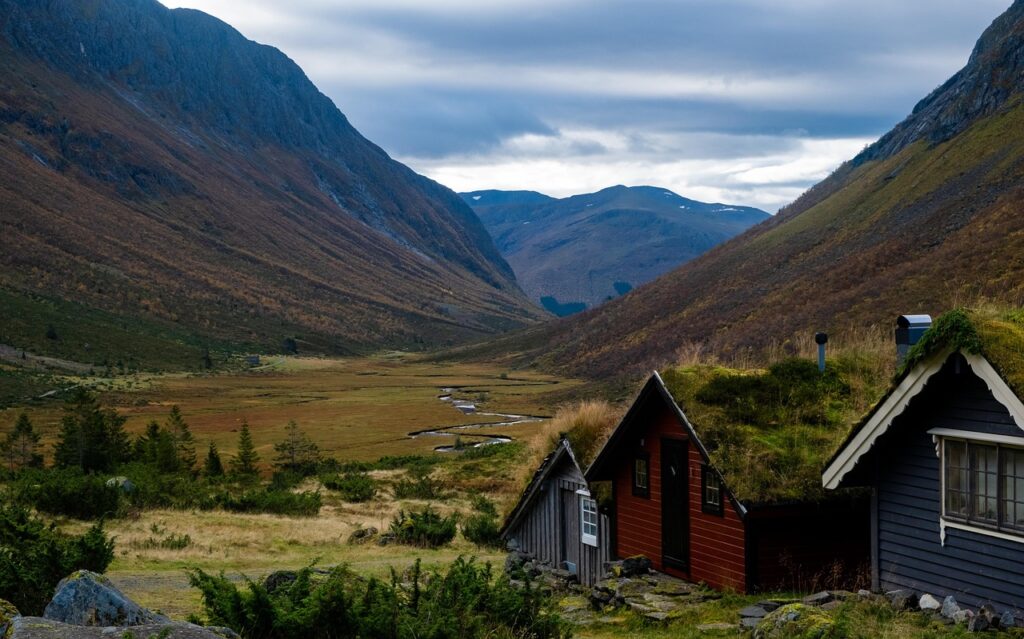

Imagine standing at the edge of a dense forest, ready to embark on a trek that will take you through breathtaking landscapes and introduce you to diverse wildlife. Or picture yourself navigating through the rapids of a mighty river, the thrill of the unknown around every bend. These are the experiences that define adventure travel, a type of tourism that is increasingly popular among those seeking more than just a relaxing getaway. Adventure travel offers a unique way to explore the world, challenging and transforming travelers in the process. For a beginner, the idea of adventure travel can be both exhilarating and intimidating. With so many options and considerations, it can be hard to know where to start.
&#; What You'll Learn
Defining Adventure Travel
Adventure travel refers to a type of tourism that involves exploring and engaging in physical activities, often in remote or exotic locations. It encompasses a wide range of experiences, from trekking and hiking to scuba diving and kayaking, each designed to challenge the traveler and provide a sense of accomplishment and connection with nature. At its core, adventure travel is about immersing oneself in the unknown and embracing the thrill of discovery.
| Term | Plain-English Meaning |
|---|---|
| Adventure Travel | Tourism that involves physical activities in unique locations. |
| Ecotourism | Travel focused on nature conservation and sustainability. |
| Experiential Travel | Travel that emphasizes experiencing the local culture and environment. |
| Sustainable Tourism | Tourism that aims to minimize its impact on the environment and local communities. |
| Responsible Travel | Travel practices that respect and support local environments and communities. |
| Off-the-Beaten-Path Destinations | Locations that are less commonly visited by tourists, often offering unique experiences. |
Why Adventure Travel Matters
Adventure travel matters for several reasons. Firstly, it provides travelers with unique experiences that can challenge their perceptions and foster personal growth. According to a study, over 75% of adventure travelers reported feeling more confident and self-assured after their trips. Additionally, adventure travel can have a significant positive impact on local economies, with many communities relying on tourism as a primary source of income. For instance, in Nepal, trekking and adventure tourism generate millions of dollars in revenue each year, supporting thousands of jobs and families.
Furthermore, adventure travel can play a crucial role in conservation efforts. By supporting sustainable tourism practices and visiting protected areas, travelers can contribute to the preservation of endangered species and ecosystems. In Costa Rica, for example, ecotourism has been instrumental in the conservation of its rainforests, with over 25% of the country’s land dedicated to national parks and wildlife refuges. This not only benefits the environment but also provides economic incentives for local communities to protect their natural resources.
Lastly, adventure travel has the power to break down cultural barriers and foster global understanding. By immersing themselves in foreign cultures and engaging with local communities, travelers can gain a deeper appreciation for the diversity of human experience. A survey found that 90% of adventure travelers reported having a more positive view of other cultures after their travels, highlighting the potential of adventure travel to promote peace and understanding.
Leading Adventure Travel Solutions
-
Planning and Preparation
Planning and preparation are crucial components of any successful adventure travel experience. This involves researching destinations, understanding local customs and regulations, and preparing physically and mentally for the challenges ahead. Travelers should start by identifying their interests and skill levels, then select destinations and activities that match their criteria. Common beginner mistakes include underestimating the physical demands of an activity or failing to research local conditions and regulations.
- What You Gain:
- A clear understanding of what to expect and how to prepare.
- A tailored itinerary that suits your interests and abilities.
- Peace of mind, knowing you are adequately prepared for your adventure.
-
Choosing the Right Gear and Equipment
Having the right gear and equipment is essential for a safe and enjoyable adventure travel experience. This includes everything from hiking boots and jackets to scuba diving gear and camping equipment. Travelers should invest in high-quality, durable gear that meets the specific needs of their activities and destinations. A common mistake is skimping on quality to save money, which can lead to equipment failure and safety risks.
- What You Gain:
- Enhanced safety and performance through the use of appropriate gear.
- Increased comfort and enjoyment, as the right gear can make a significant difference in your overall experience.
- Long-term value, as quality gear can withstand the rigors of multiple adventures.
-
Building Physical and Mental Endurance
Adventure travel often requires a certain level of physical and mental endurance. Travelers should engage in regular exercise and training to build their strength, stamina, and agility. Mental preparation is also crucial, as adventure travel can be as much a psychological challenge as a physical one. A common mistake is neglecting mental preparation, which can lead to anxiety and decreased performance.
- What You Gain:
- Improved physical health and fitness, enhancing your ability to tackle challenging activities.
- Increased mental resilience, allowing you to better cope with stress and uncertainty.
- A heightened sense of self-confidence and self-awareness, benefiting all areas of life.
-
Engaging with Local Communities
Engaging with local communities is a vital part of the adventure travel experience. This involves respecting local customs and traditions, supporting local economies, and engaging in cultural exchange. Travelers should make an effort to learn a few words of the local language, try local foods, and participate in community activities. A common mistake is treating local communities as mere spectators or backdrops for adventure, rather than as active participants in the travel experience.
- What You Gain:
- A deeper and more meaningful connection with the places and people you visit.
- Unique insights into local cultures and ways of life, enriching your understanding of the world.
- Memories and experiences that transcend mere sightseeing, and become a part of your personal story.
-
Embracing Sustainability and Responsibility
Adventure travel should be practiced in a sustainable and responsible manner, minimizing harm to the environment and respecting local communities. This involves choosing operators and tour companies that adhere to sustainable tourism practices, reducing waste and carbon footprint, and supporting conservation efforts. A common mistake is prioritizing cheap prices over sustainable practices, which can have long-term negative impacts.
- What You Gain:
- The knowledge that your travel choices are contributing to the preservation of the environment and the well-being of local communities.
- A clean conscience, knowing you are supporting responsible and sustainable tourism practices.
- Participation in creating a positive impact that benefits both people and the planet.
-
Navigating Off-the-Beaten-Path Destinations
Navigating off-the-beaten-path destinations requires a blend of preparation, flexibility, and open-mindedness. Travelers should be prepared for unexpected challenges and changes in plans, and be willing to step out of their comfort zones. A common mistake is underestimating the challenges of traveling in remote or less developed areas, which can lead to frustration and disappointment.
- What You Gain:
- Unique and unforgettable experiences that few other travelers get to encounter.
- A sense of adventure and exploration, as you discover hidden gems and unexpected delights.
- Personal growth and self-discovery, as you navigate unfamiliar landscapes and cultures.
-
Staying Safe and Healthy
Staying safe and healthy is paramount during adventure travel. This involves taking necessary precautions against illnesses and injuries, staying informed about local conditions, and having contingency plans in place. A common mistake is neglecting health and safety protocols, which can lead to serious consequences. paramount during adventure
- What You Gain:
- Peace of mind, knowing you have taken proactive steps to protect your health and safety.
- Reduced risk of illnesses and injuries, allowing you to enjoy your adventure without worry.
- A smooth and enjoyable travel experience, with minimal interruptions or setbacks.
| Step | What You Do | Expected Result |
|---|---|---|
| 1. Planning and Preparation | Research destinations, understand local customs, and prepare physically and mentally. | A well-planned and enjoyable adventure travel experience. |
| 2. Choosing the Right Gear and Equipment | Invest in high-quality, durable gear that meets the specific needs of your activities and destinations. | Enhanced safety, performance, and comfort during your adventure travel experiences. |
| 3. Building Physical and Mental Endurance | Engage in regular exercise and training to build strength, stamina, and agility, and prepare mentally for challenges. | Improved physical health, mental resilience, and overall performance during adventure travel. |
| 4. Engaging with Local Communities | Respect local customs, support local economies, and engage in cultural exchange. | Deeper connections with local communities, unique cultural insights, and memorable experiences. |
| 5. Embracing Sustainability and Responsibility | Choose sustainable tour operators, reduce waste and carbon footprint, and support conservation efforts. | A positive impact on the environment and local communities, and a clean conscience. |
| 6. Navigating Off-the-Beaten-Path Destinations | Be prepared, flexible, and open-minded when traveling to remote or less developed areas. | Unique experiences, a sense of adventure, and personal growth through self-discovery. |
| 7. Staying Safe and Healthy | Take necessary precautions against illnesses and injuries, stay informed, and have contingency plans. | A safe and healthy adventure travel experience, with minimal risks and interruptions. |
Frequently Asked Questions
What is Adventure Travel?
Adventure travel refers to a type of tourism that involves exploring and engaging in physical activities, often in remote or exotic locations. It encompasses a wide range of experiences, from trekking and hiking to scuba diving and kayaking, each designed to challenge the traveler and provide a sense of accomplishment and connection with nature.
How Do I Choose the Right Destination for My Adventure Travel?
Choosing the right destination for your adventure travel involves considering your interests, skill levels, and preferences. Research potential destinations, read reviews, and consult with travel experts to find a location that matches your criteria and provides the experiences you are looking for. adventure travel involves
What Kind of Gear and Equipment Do I Need for Adventure Travel?
The gear and equipment needed for adventure travel depend on the specific activities and destinations involved. Generally, it is essential to invest in high-quality, durable gear that meets the needs of your activities, such as hiking boots, camping equipment, or scuba diving gear. Consult with experts or guidebooks to ensure you have the right equipment for your adventures. adventure travel depend
How Can I Stay Safe and Healthy During My Adventure Travel?
Staying safe and healthy during adventure travel involves taking necessary precautions against illnesses and injuries, staying informed about local conditions, and having contingency plans in place. This includes researching health and safety protocols, packing appropriate gear and medications, and staying connected with family and friends back home.
What Are the Benefits of Adventure Travel?
The benefits of adventure travel are numerous and varied. They include personal growth and self-discovery, unique cultural experiences, and a deeper connection with nature and the environment. Adventure travel can also provide a sense of accomplishment and challenge, as well as opportunities for physical and mental development.
What It All Means
Adventure travel offers a unique and transformative way to explore the world, challenging travelers physically, mentally, and emotionally. By embracing the principles of adventure travel, including planning, preparation, sustainability, and cultural engagement, travelers can gain a deeper understanding of themselves and the world around them. With its many benefits and opportunities for growth, adventure travel is an experience that can stay with travelers for a lifetime, shaping their perspectives and inspiring future adventures.
Here’s the key thing to understand: adventure travel is not just about the destination; it’s about the path, the people you meet, and the experiences you have along the way. Most people miss this, focusing solely on the end goal rather than the process. However, it’s the path that truly defines adventure travel, making it a rich and rewarding experience that can change lives.
As travelers embark on their adventure travel journeys, they will discover that the world is full of wonders, challenges, and opportunities for growth. With an open mind, a sense of adventure, and a willingness to take the first step, anyone can become an adventure traveler, exploring the unknown, discovering new cultures, and transforming their lives in the process.