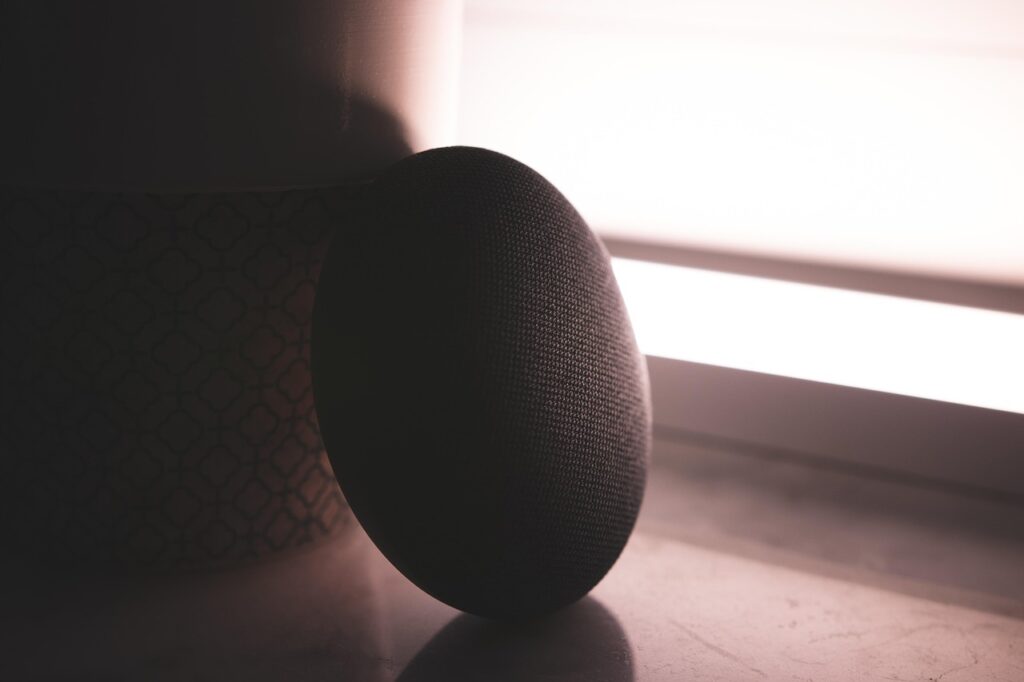

The idea that smart living is only for the tech-savvy is a misconception. Smart living is about incorporating simple yet effective habits and technologies into daily life to make it more efficient, enjoyable, and sustainable. It encompasses a wide range of activities, from using smart home devices to adopting healthy eating habits. However, many people are under the impression that transitioning to a smart lifestyle requires significant investments of time and money.
What Does Smart Living Mean?
Smart living refers to the practice of using technology, design, and lifestyle habits to create living spaces and daily routines that are more efficient, sustainable, and conducive to well-being. It involves a holistic approach, considering physical health, mental wellness, and environmental sustainability. Smart living is not just about gadgets and technology; it’s also about simple habits like regular exercise, balanced diets, and mindful consumption of resources.
Key Smart Living Advancements
1. Smart Home Automation
Smart home automation involves using devices and systems that can be controlled remotely or automatically to manage various aspects of the home, such as lighting, temperature, security, and entertainment. This can enhance convenience, safety, and energy efficiency.
- Strengths:
- Enhanced convenience with automated and remote control of home systems.
- Improved safety through automated security systems and alerts.
- Potential for significant energy savings through smart energy management.
- Hurdles to Overcome:
- Initial investment costs for smart devices and systems can be high.
- Dependence on technology can lead to issues if systems fail or are hacked.
2. Healthy Eating and Nutrition
Healthy eating and nutrition are crucial components of smart living. This involves adopting diets that are balanced, sustainable, and tailored to individual needs, as well as being mindful of food waste and the environmental impact of food choices.
- Strengths:
- Improved physical health through better nutrition.
- Potential for increased energy levels and mental clarity.
- Contribution to sustainable food systems and reduced environmental impact.
- Hurdles to Overcome:
- Changing eating habits can be challenging and requires discipline.
- Access to healthy food options can be limited in some areas.
| Smart Living Aspect | Benefits | Challenges |
|---|---|---|
| Smart Home Automation | Convenience, Safety, Energy Efficiency | High Initial Costs, Technological Dependence |
| Healthy Eating and Nutrition | Improved Health, Increased Energy, Sustainability | Habit Change, Limited Access to Healthy Foods |
How This Affects Everyday Life
✔ Enhanced Convenience
Smart living tips and technologies can significantly enhance daily convenience, from automated home systems to meal planning and preparation.
✔ Improved Health and Wellness
Adopting smart living habits, such as regular exercise and balanced diets, can lead to improved physical and mental health.
✔ Increased Sustainability
Smart living often involves choices that reduce environmental impact, such as energy-efficient technologies and sustainable food systems.
✔ Better Time Management
With smart home automation and efficient daily routines, individuals can manage their time more effectively, leading to increased productivity.
✔ Enhanced Safety and Security
Smart home security systems and automated safety features can provide peace of mind and protect against potential threats.
✔ Improved Financial Management
Through energy savings and efficient resource use, smart living can help individuals manage their finances better.
What Researchers Are Working On
- Developing more affordable and accessible smart home technologies for all income levels.
- Improving the integration of health and wellness technologies into daily life.
- Enhancing the sustainability of smart living solutions, including renewable energy sources and reduced waste.
- Creating personalized nutrition and fitness plans based on individual genetic profiles and health goals.
- Designing smart cities with integrated public services and transportation systems for better living conditions.
- Exploring the potential of smart living to support aging populations and individuals with disabilities.
One Last Thing
Embracing smart living is a step towards creating a more sustainable, efficient, and healthy lifestyle. It requires a willingness to learn, adapt, and make conscious choices about how technology and habits are integrated into daily life. By doing so, individuals can significantly enhance their quality of life and contribute to a better future.
Smart living is an ongoing process that evolves with new technologies and personal growth. It’s about finding the right balance between technology, nature, and human connection to live a more fulfilling life.