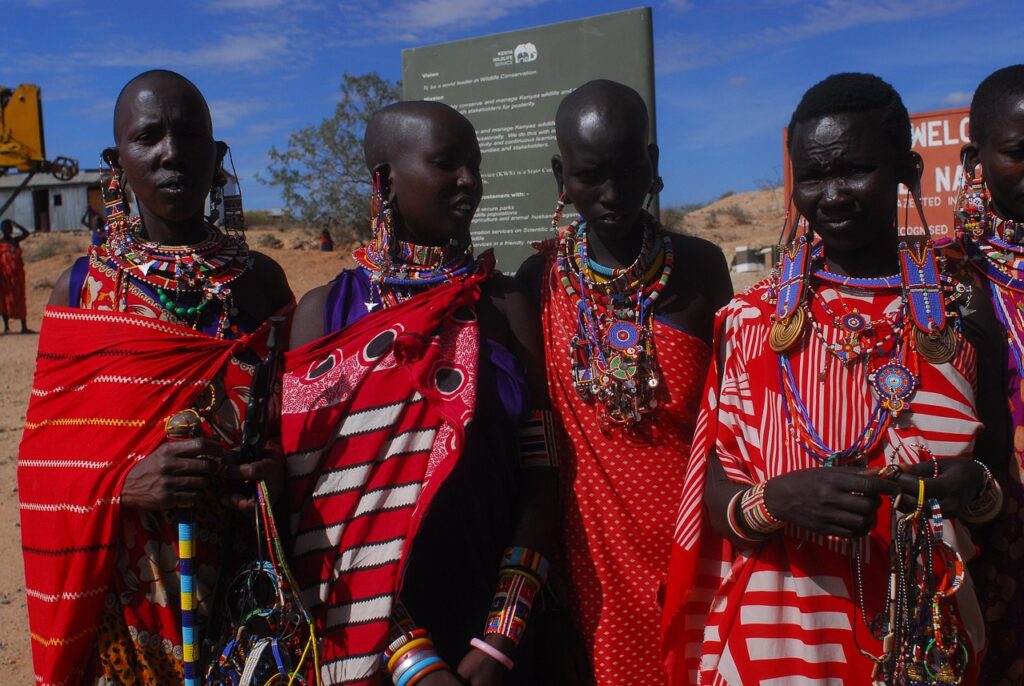

A common assumption about African cultural heritage is that it is a singular, monolithic entity. However, this could not be further from the truth. The African continent is home to over 50 countries, more than 2,000 languages, and a vast array of cultures, each with its unique traditions, customs, and historical contributions. This diversity is a testament to the complexity and richness of African cultural heritage. African cultural heritage encompasses a wide range of expressions, from music and dance to art and literature, and plays a significant role in shaping the identity of the continent and its people.
Breaking Down African Cultural Heritage
African cultural heritage refers to the collective customs, traditions, and historical contributions of the African continent. It encompasses a broad spectrum of expressions, including music, dance, art, literature, and oral traditions, among others. This heritage is not static; it is dynamic and has evolved over time, influenced by internal and external factors such as migration, trade, and colonization. Understanding African cultural heritage requires recognizing its diversity and the interconnectedness of its various components.
Key African Cultural Heritage Advancements
1. Historical Preservation
Historical preservation is a crucial aspect of African cultural heritage, involving the conservation of historical sites, artifacts, and documents. This not only helps in understanding the past but also in appreciating the present and planning for the future. Efforts in historical preservation have been instrumental in safeguarding the cultural identity of African nations.
- Advantages:
- Promotes cultural tourism, contributing to local economies.
- Enhances national pride and a sense of shared history.
- Serves as a valuable educational resource.
- Drawbacks:
- Often faces challenges due to lack of funding and resources.
- May be vulnerable to natural disasters and human conflict.
2. Cultural Exchange Programs
Cultural exchange programs have played a significant role in promoting African cultural heritage globally. These programs facilitate the exchange of ideas, arts, and cultural practices between Africa and the rest of the world, fostering mutual understanding and appreciation.
- Advantages:
- Encourages global understanding and appreciation of African cultures.
- Provides opportunities for cultural enrichment and education.
- Fosters international collaboration and cooperation.
- Drawbacks:
- May lead to cultural homogenization if not managed thoughtfully.
- Can be limited by funding and logistical challenges.
| Country | Notable Cultural Heritage Sites |
|---|---|
| Egypt | Pyramids of Giza, Great Sphinx of Giza |
| South Africa | Robben Island, Cape of Good Hope |
| Morocco | Marrakech Medina, Chefchaouen |
Practical Takeaways
✔ Preservation of Historical Sites
Efforts to preserve historical sites are crucial for maintaining cultural heritage. This not only aids in tourism but also in educating future generations about their history.
✔ Promotion of Cultural Exchange
Cultural exchange programs are vital for the global appreciation of African cultural heritage. They facilitate a deeper understanding and respect for the diverse cultures of the continent.
✔ Support for Local Artists
Supporting local artists is essential for the continuation of cultural heritage. It ensures that traditional arts and crafts are not lost and continue to evolve.
✔ Education on Cultural Diversity
Education on the diversity of African cultural heritage is key to promoting mutual respect and understanding. It helps in breaking down stereotypes and misconceptions.
✔ Community Engagement
Community engagement is critical in the preservation and promotion of cultural heritage. It ensures that cultural activities and traditions remain relevant and vibrant.
✔ Digital Archiving
Digital archiving of cultural heritage is an innovative way to preserve and make cultural artifacts and historical documents accessible to a wider audience.
The Next 5 Years
- Increased digitalization of cultural heritage sites and artifacts to enhance accessibility and preservation.
- More cultural exchange programs to promote African cultural heritage globally.
- Greater emphasis on community-led cultural preservation initiatives.
- Development of tourism infrastructures around cultural heritage sites to support local economies.
- Integration of African cultural heritage into educational curriculums to foster a sense of identity and pride among young Africans.
- Collaborative international efforts to protect African cultural heritage from threats such as looting and destruction.
The Big Picture
African cultural heritage is a treasure trove of diversity and richness, contributing significantly to the global cultural landscape. Its preservation and promotion are not only important for Africans but for the world, as they enrich our understanding of human history and culture. Efforts to safeguard this heritage will continue to be crucial in the face of modern challenges, ensuring that future generations can appreciate and learn from the past.