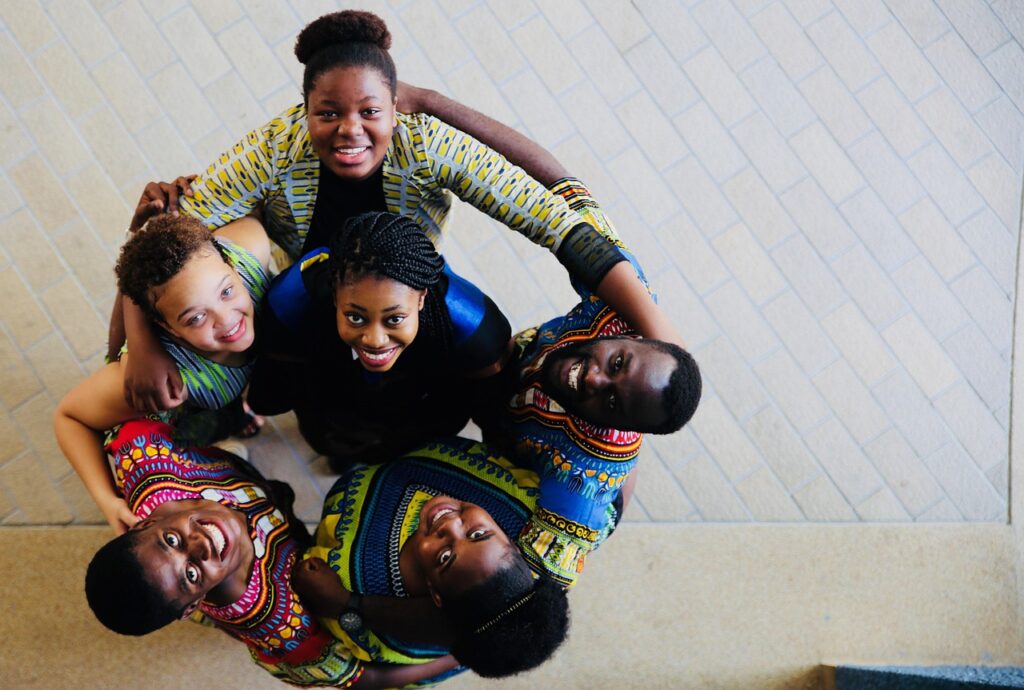

40% of businesses fail due to cultural differences and misunderstandings. This staggering statistic highlights the importance of understanding and embracing cultural diversity in both personal and professional settings. Cultural diversity refers to the presence of different cultures, lifestyles, and ideologies within a community or organization. It encompasses various aspects, including but not limited to, race, ethnicity, gender, age, religion, and socioeconomic status. Effective management of cultural diversity can lead to increased creativity, innovation, and productivity, while its mismanagement can result in conflicts, decreased morale, and a negative reputation.
Defining Cultural Diversity
Cultural diversity is about recognizing, respecting, and valuing the differences between various cultural groups. It involves creating an environment where individuals from diverse backgrounds feel included, supported, and empowered to contribute. This concept goes beyond mere tolerance, aiming for a deeper understanding and appreciation of the unique perspectives and experiences that each culture brings. In a culturally diverse setting, individuals are encouraged to maintain their cultural identities while working towards common goals and objectives.
Core Cultural Diversity Approaches
1. Multiculturalism
Multiculturalism is an approach that celebrates the coexistence of different cultures within a society or organization. It promotes the idea that all cultures are equal and should be respected and preserved. This approach is often criticized for potentially creating cultural silos, where different groups interact minimally with one another.
- Strengths:
- Promotes cultural preservation and diversity.
- Encourages the recognition of different cultural identities.
- Fosters a sense of belonging among minority groups.
- Known Issues:
- May lead to cultural segregation and minimal interaction between groups.
- Can result in the dominance of one culture over others if not managed properly.
2. Interculturalism
Interculturalism focuses on the interactions and exchanges between different cultural groups. It aims to build bridges between cultures, promoting mutual understanding, respect, and cooperation. This approach is seen as a more dynamic and interactive way of managing cultural diversity.
- Strengths:
- Encourages dialogue and collaboration between different cultural groups.
- Promotes cultural exchange and learning.
- Fosters a sense of community and shared identity.
- Known Issues:
- Requires significant effort and resources to implement effectively.
- May face resistance from groups that prefer to maintain their cultural isolation.
| Approach | Description | Strengths | Weaknesses |
|---|---|---|---|
| Multiculturalism | Celebrates the coexistence of different cultures. | Promotes cultural preservation and diversity. | May lead to cultural segregation. |
| Interculturalism | Focuses on interactions between different cultural groups. | Encourages dialogue and collaboration. | Requires significant effort and resources. |
Practical Takeaways
✔ Recognize the Value of Diversity
Understanding that diversity is a strength, not a weakness, is the first step towards managing cultural diversity effectively. It brings different perspectives, ideas, and experiences to the table, which can lead to innovation and growth.
✔ Educate Yourself and Others
Cultural sensitivity training and education can help in overcoming stereotypes and misconceptions. It promotes a deeper understanding of different cultures and fosters a more inclusive environment.
✔ Foster Open Communication
Encouraging open and honest communication can help in addressing cultural differences and misunderstandings. It creates a safe space for individuals to express their thoughts and feelings without fear of judgment or retribution.
✔ Implement Inclusive Policies
Policies that promote diversity and inclusion can help in creating a fair and equitable environment. This includes policies related to recruitment, promotion, and employee welfare.
✔ Lead by Example
Leaders and managers play a crucial role in promoting cultural diversity. They should lead by example, demonstrating respect, empathy, and understanding towards different cultural groups.
Looking Ahead
- The future of cultural diversity management will likely involve more technology-driven solutions, such as AI-powered diversity and inclusion tools.
- There will be a greater emphasis on creating personalized experiences that cater to individual cultural needs and preferences.
- Virtual and remote work environments will become more prevalent, requiring new strategies for managing cultural diversity in distributed teams.
- Cultural diversity will become a key factor in talent acquisition and retention, as employees increasingly seek out inclusive and diverse workplaces.
- Global events and crises will continue to impact cultural diversity, requiring organizations to be adaptable and responsive to changing cultural dynamics.
The Bottom Line
Cultural diversity is a complex and multifaceted issue that requires careful consideration and management. By understanding the common mistakes and adopting effective strategies, individuals and organizations can foster a more inclusive and respectful environment. This not only benefits individuals from diverse backgrounds but also contributes to the overall success and growth of the organization.
Cultural diversity management is an ongoing process that requires continuous learning, adaptation, and improvement. It is about creating a culture that values and celebrates diversity, promoting a sense of belonging and empowerment among all individuals.