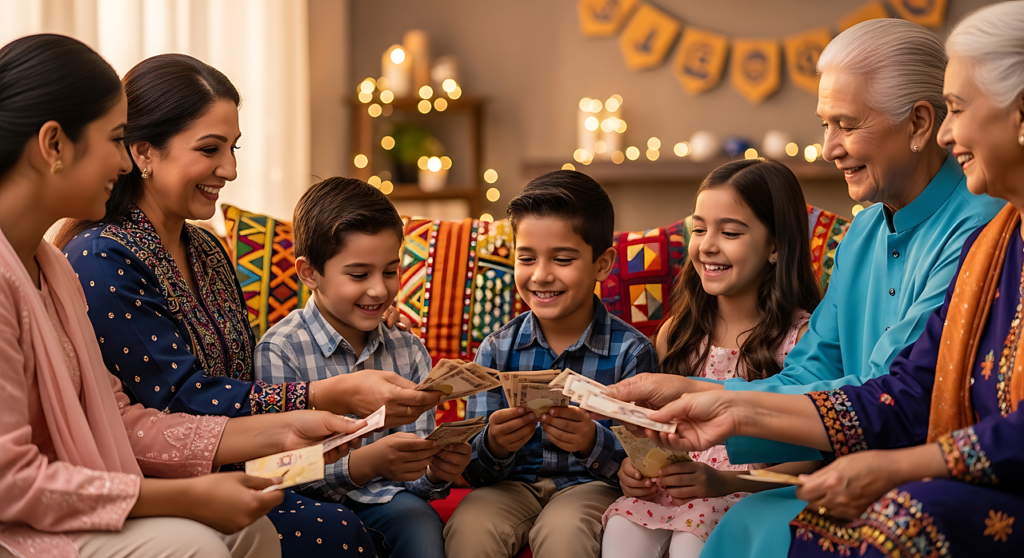

Cultural exchange has evolved significantly over the years, transforming from a simple people-to-people interaction to a complex, multifaceted phenomenon. Prior to the 20th century, cultural exchange was largely limited to diplomatic missions, trade, and migration. However, with the advent of modern transportation and communication technologies, the scope and intensity of cultural exchange have increased exponentially. Today, cultural exchange plays a vital role in shaping global relations, promoting cross-cultural understanding, and fostering international cooperation.
For instance, a decade ago, cultural exchange programs were relatively rare and mostly confined to academic and diplomatic circles. Fast-forward to the present, and it is evident that these programs have become an essential component of international relations, with numerous organizations, governments, and institutions investing heavily in them. This shift underscores the growing recognition of cultural exchange as a powerful tool for building bridges between nations and promoting global harmony.
What Does Cultural Exchange Mean?
Cultural exchange refers to the reciprocal exchange of ideas, values, customs, and beliefs between individuals, groups, or nations from diverse cultural backgrounds. It encompasses a broad range of activities, including educational exchange programs, cultural festivals, language training, and people-to-people diplomacy. The primary objective of cultural exchange is to promote cross-cultural understanding, foster global citizenship, and encourage peaceful coexistence among nations.
Major Cultural Exchange Developments
1. International Student Exchange Programs
International student exchange programs have emerged as a significant component of cultural exchange, enabling students to pursue higher education in foreign countries. These programs not only provide students with access to quality education but also offer a unique opportunity to immerse themselves in a foreign culture, learn new languages, and develop valuable interpersonal skills.
- What You Gain:
- Academic excellence and diversity
- Cross-cultural competence and understanding
- Language proficiency and communication skills
- Global networking opportunities and career prospects
- Challenges:
- Cultural shock and adaptation difficulties
- Language barriers and communication obstacles
- Homesickness and emotional strain
- Financial constraints and funding limitations
2. Cultural Festivals and Events
Cultural festivals and events have become an essential aspect of cultural exchange, providing a platform for people to showcase their cultural heritage, traditions, and values. These events not only promote cross-cultural understanding but also foster community engagement, social cohesion, and economic development.
- What You Gain:
- Cultural enrichment and diversity
- Community engagement and social interaction
- Economic benefits and tourism development
- Global visibility and cultural promotion
- Challenges:
- Logistical and organizational complexities
- Funding constraints and resource limitations
- Cultural sensitivities and potential controversies
- Environmental impact and sustainability concerns
| Cultural Exchange Program | Duration | Location | Benefits |
|---|---|---|---|
| International Student Exchange | 1-2 years | Global | Cross-cultural understanding, academic excellence |
| Cultural Festivals and Events | 1-5 days | Local, national, international | Cultural enrichment, community engagement, economic benefits |
Practical Takeaways
✔ Cultural competence is essential for success in today’s globalized world.
Cultural competence refers to the ability to understand, appreciate, and interact effectively with people from diverse cultural backgrounds. It is a vital skill for individuals, organizations, and nations seeking to navigate the complexities of global relations and international cooperation.
✔ Language training is a critical component of cultural exchange.
Language training enables individuals to communicate effectively with people from diverse linguistic backgrounds, facilitating cross-cultural understanding and cooperation. It is an essential aspect of cultural exchange, as it helps to break down language barriers and foster global communication.
✔ Cultural exchange programs can have a lasting impact on individuals and communities.
Cultural exchange programs have the power to transform lives, fostering global understanding, cooperation, and peace. They provide individuals with a unique opportunity to immerse themselves in a foreign culture, learn new languages, and develop valuable interpersonal skills.
✔ Community engagement is vital for the success of cultural exchange initiatives.
Community engagement refers to the process of involving local communities in cultural exchange initiatives, ensuring that these programs are responsive to their needs and concerns. It is an essential aspect of cultural exchange, as it helps to foster social cohesion, community participation, and cultural promotion.
✔ Cultural exchange can contribute to economic development and tourism growth.
Cultural exchange can have a significant impact on local economies, fostering tourism development, job creation, and economic growth. It provides a unique opportunity for communities to showcase their cultural heritage, traditions, and values, attracting tourists and promoting economic development.
✔ Cultural sensitivity and awareness are essential for effective cultural exchange.
Cultural sensitivity and awareness refer to the ability to understand, respect, and appreciate cultural differences, avoiding cultural insensitivities and potential controversies. They are vital aspects of cultural exchange, as they help to foster cross-cultural understanding, cooperation, and peaceful coexistence.
The Road Ahead
- Cultural exchange programs will continue to play a vital role in shaping global relations and promoting international cooperation.
- Technology will increasingly be used to facilitate cultural exchange, enabling people to connect with each other across the globe.
- Cultural competence will become an essential skill for individuals, organizations, and nations seeking to navigate the complexities of global relations.
- Community engagement will be critical for the success of cultural exchange initiatives, ensuring that these programs are responsive to local needs and concerns.
- Cultural exchange will contribute to economic development and tourism growth, fostering job creation, economic growth, and cultural promotion.
- Cultural sensitivity and awareness will be essential for effective cultural exchange, avoiding cultural insensitivities and potential controversies.
Closing Thoughts
Cultural exchange has the power to transform lives, fostering global understanding, cooperation, and peace. As the world becomes increasingly interconnected, cultural exchange will play a vital role in shaping global relations and promoting international cooperation. By embracing cultural exchange, individuals, organizations, and nations can foster a more harmonious and peaceful world, where cultural diversity is celebrated and valued.
Cultural exchange is a complex and multifaceted phenomenon, encompassing a broad range of activities and initiatives. It requires a deep understanding of cultural differences, a commitment to cultural sensitivity and awareness, and a willingness to engage with people from diverse cultural backgrounds.
Ultimately, cultural exchange has the potential to create a more just, equitable, and peaceful world, where cultural diversity is cherished and respected. By investing in cultural exchange, individuals, organizations, and nations can reap numerous benefits, from cross-cultural understanding and cooperation to economic development and tourism growth.