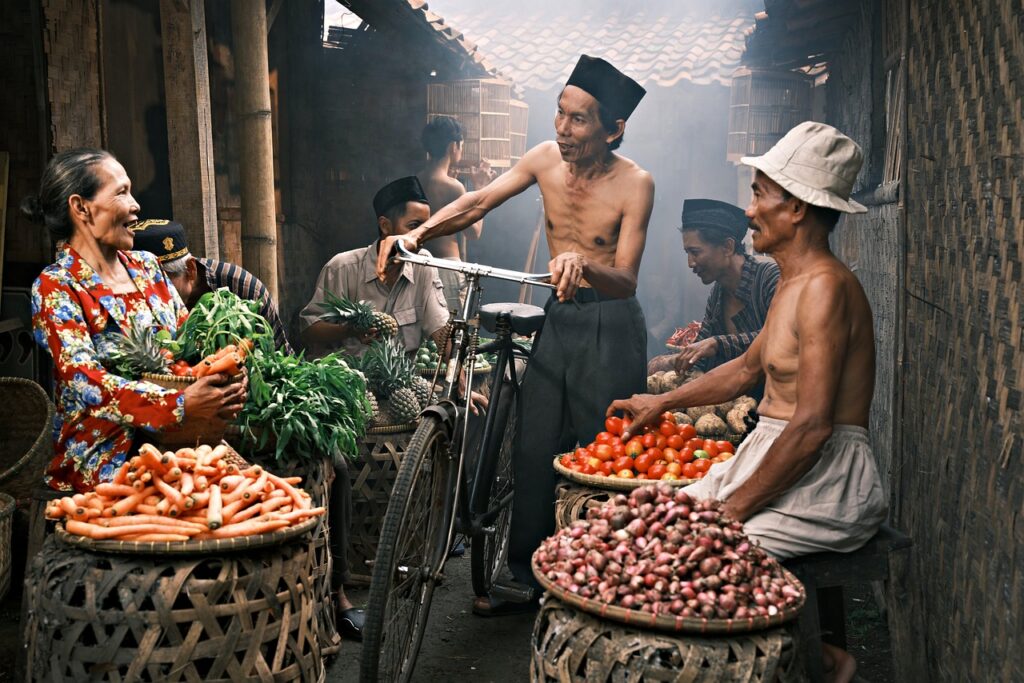

Contrary to the common assumption that cultural exchange is merely about tourist travel or student programs, it encompasses a wide range of activities designed to foster global understanding and cooperation. Cultural exchange programs have been in place for decades, but their importance has grown significantly in recent years. The rise of globalization and technological advancements have made the world more interconnected, highlighting the need for cross-cultural understanding. Despite its recognized importance, there are still misconceptions about the true nature and scope of cultural exchange.
What Is Cultural Exchange?
Cultural exchange refers to the process of sharing ideas, customs, values, and beliefs between different cultures with the aim of promoting mutual understanding, respect, and cooperation. It involves various forms of exchange, including but not limited to, educational exchanges, arts and cultural exhibitions, sports, and professional development programs. The primary goal of cultural exchange is to break down cultural barriers and stereotypes, thereby enhancing global peace and stability.
Major Cultural Exchange Developments
1. International Education
International education is one of the most significant areas of cultural exchange. It involves students traveling to foreign countries to pursue their academic goals. This not only provides students with access to quality education but also exposes them to different cultures and ways of life. most significant areas
- Plus Points:
- Enhanced cultural understanding and tolerance
- Access to a global network of professionals and academics
- Improved career opportunities in a globalized job market
- What Needs Work:
- Financial barriers that limit accessibility for students from lower-income backgrounds
- Cultural and language adjustment challenges faced by international students
2. Cultural Festivals and Events
Cultural festivals and events are another crucial aspect of cultural exchange. These events celebrate the diversity of cultures from around the world, providing a platform for different communities to share their customs, music, and food.
- Plus Points:
- Promotion of cultural diversity and inclusivity
- Opportunities for cross-cultural learning and exchange
- Economic benefits through tourism and local business support
- What Needs Work:
- Ensuring authenticity and avoiding cultural appropriation
- Managing the environmental impact of large events
avoiding cultural appropriation
| Country | Number of International Students | Most Popular Fields of Study |
|---|---|---|
| United States | 1,096,822 | Business and Management, Engineering, Physical and Life Sciences |
| United Kingdom | 442,630 | Business and Administrative Studies, Engineering and Technology, Social Studies |
Practical Takeaways
✔ Enhanced Career Opportunities
Participating in cultural exchange programs can significantly enhance one’s career prospects by providing a global perspective and network.
✔ Cross-Cultural Competence
Cultural exchange helps individuals develop cross-cultural competence, which is crucial in today’s globalized world for effective communication and collaboration. Cultural exchange helps
✔ Personal Growth Personal Growth
Engaging in cultural exchange fosters personal growth by challenging one’s assumptions and broadening their understanding of the world.
✔ Economic Benefits
Cultural exchange can have significant economic benefits, including increased tourism and the creation of new businesses and jobs.
✔ Global Understanding
Perhaps most importantly, cultural exchange promotes global understanding and peace by breaking down cultural barriers and fostering mutual respect.
The Road Ahead
- Increased focus on digital cultural exchange to reach wider audiences and overcome geographical barriers.
- More emphasis on sustainability and environmental considerations in cultural events and exchange programs.
- Expansion of cultural exchange programs to include more diverse and underserved communities.
- Development of new technologies to facilitate language learning and cultural adaptation for exchange participants.
- Growing recognition of the role of cultural exchange in international relations and diplomacy.
- Integration of cultural exchange into broader development and peace-building initiatives globally.
Closing Thoughts
Cultural exchange plays a pivotal role in shaping a more interconnected and harmonious world. As the world continues to face numerous challenges, the importance of cultural exchange will only continue to grow. It is essential for societies, governments, and individuals to support and participate in cultural exchange initiatives to foster a more peaceful and prosperous global community.
The future of cultural exchange is promising, with advancements in technology and a growing recognition of its importance. However, it is crucial to address the challenges that cultural exchange faces, including accessibility, cultural sensitivity, and sustainability, to ensure that its benefits are equitably distributed and long-lasting.
Keep Reading

Music and Culture: A Case Study

Cultural Exchange 2026 Update