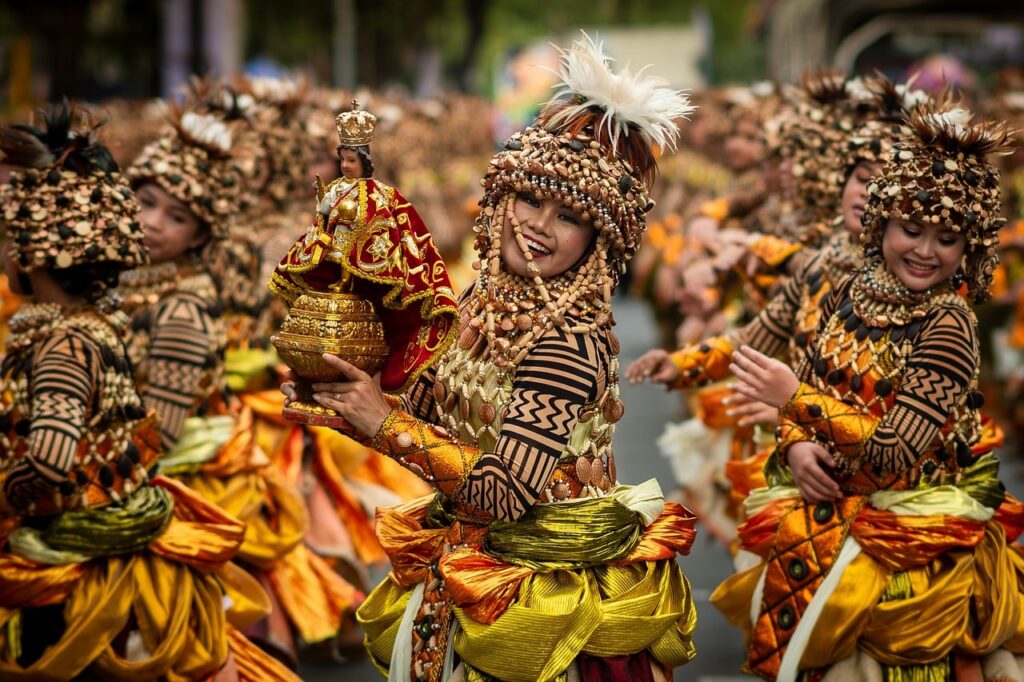

Many individuals mistakenly believe that cultural preservation is solely the responsibility of governments and institutions. However, this could not be further from the truth. Cultural preservation is a collective effort that requires the active participation of community members. Unfortunately, a significant number of people are unaware of the simple yet effective ways to contribute to this vital cause. As a result, cultural heritage and traditions are often lost over time, leaving future generations without a sense of identity and connection to their past.
Breaking Down Cultural Preservation
Cultural preservation refers to the act of protecting and conserving cultural heritage, including traditions, customs, languages, and historical sites. It involves a range of activities, from documenting and recording cultural practices to restoring and maintaining historical buildings and monuments. Effective cultural preservation requires a deep understanding of the cultural significance of these elements and a commitment to preserving them for future generations.
Key Cultural Preservation Advancements
1. Digital Archiving
Digital archiving has revolutionized the field of cultural preservation, enabling the creation of digital records of cultural artifacts, historical documents, and traditional practices. This technology has made it possible to preserve cultural heritage in a more efficient and cost-effective manner.
- Key Benefits:
- Easy access to cultural information
- Cost-effective preservation method
- Enhanced collaboration and knowledge sharing
- What Needs Work:
- Standardization of digital archiving protocols
- Ensuring the long-term sustainability of digital archives
- Addressing issues of digital divide and unequal access
2. Community Engagement
Community engagement is a critical component of cultural preservation, as it involves actively involving community members in the preservation process. This can include workshops, training programs, and public outreach initiatives.
- Key Benefits:
- Increased community awareness and participation
- Empowerment of local communities to take ownership of their cultural heritage
- Development of cultural preservation skills and knowledge
- What Needs Work:
- Building trust and partnerships with local communities
- Addressing issues of cultural sensitivity and appropriation
- Ensuring the inclusion of diverse perspectives and voices
| Cultural Preservation Method | Description | Benefits |
|---|---|---|
| Digital Archiving | Creating digital records of cultural artifacts and historical documents | Easy access, cost-effective, enhanced collaboration |
| Community Engagement | Involving community members in the preservation process | Increased awareness, empowerment, skill development |
Real-World Benefits
✔ Preservation of Cultural Identity
Cultural preservation helps to maintain community identity and heritage, ensuring that future generations can connect with their past and understand their cultural roots.
✔ Promotion of Cultural Diversity
Cultural preservation promotes cultural diversity by protecting and conserving the unique cultural practices and traditions of different communities.
✔ Economic Benefits
Cultural preservation can have significant economic benefits, including the creation of jobs and the generation of revenue through cultural tourism and heritage-based industries.
✔ Education and Awareness
Cultural preservation plays a critical role in educating people about the importance of cultural heritage and the need to protect it for future generations.
✔ Community Empowerment
Cultural preservation empowers local communities to take ownership of their cultural heritage, promoting a sense of pride and self-worth.
✔ Historical Significance
Cultural preservation helps to maintain historical sites and monuments, providing a window into the past and allowing people to learn from history.
Upcoming Trends
- Increased use of digital technologies in cultural preservation
- Growing recognition of the importance of community engagement and participation
- Greater emphasis on the preservation of intangible cultural heritage, such as languages and traditional practices
- Development of new methods and techniques for preserving cultural artifacts and historical documents
- Expansion of cultural preservation initiatives to include a broader range of cultural heritage sites and monuments
- Increased collaboration and partnership between governments, institutions, and local communities
Wrapping Up
Cultural preservation is a vital and ongoing process that requires the active participation of community members, governments, and institutions. By working together, it is possible to protect and conserve cultural heritage for future generations, promoting cultural diversity, education, and community empowerment.
Cultural preservation is an essential component of maintaining community identity and heritage, and its importance cannot be overstated. As the world becomes increasingly globalized, it is more important than ever to protect and conserve cultural heritage.
Ultimately, cultural preservation is a collective responsibility that requires a commitment to protecting and conserving cultural heritage for the benefit of all.