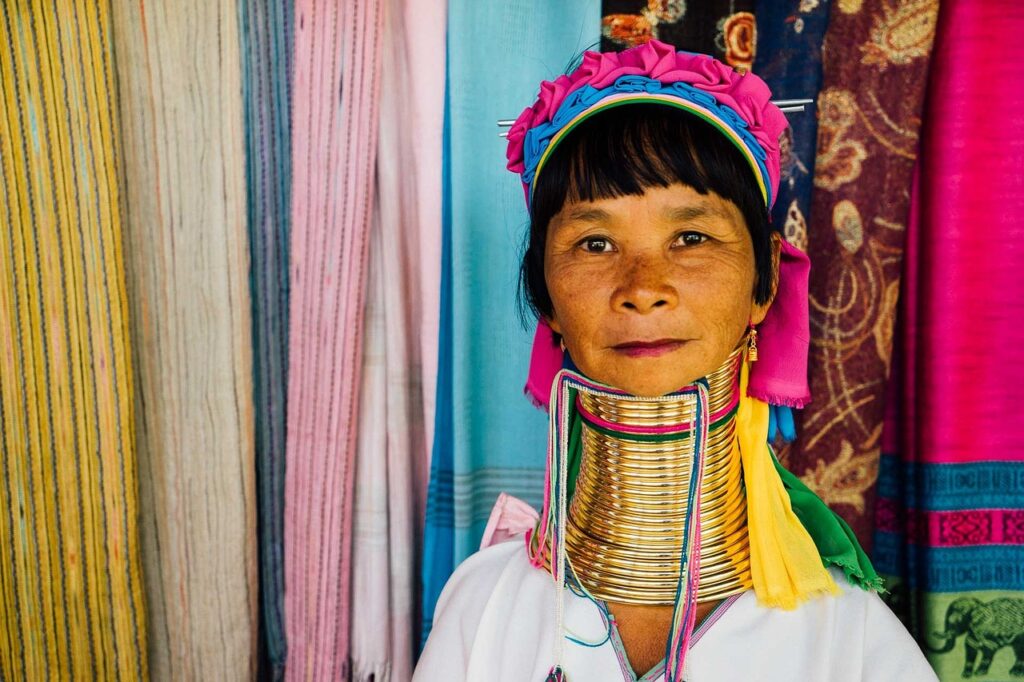

For those who have just begun to explore the vast and intricate world of indigenous cultures, a surprising statistic stands out: there are over 370 million indigenous people worldwide, belonging to more than 5,000 different groups, each with their unique culture, language, and history. This diversity is a testament to the richness and resilience of indigenous communities. Indigenous cultures encompass a wide range of traditions, languages, and histories of native peoples around the world. Despite their significant contributions to global cultural diversity and environmental sustainability, indigenous cultures remain underappreciated and understudied. As a beginner, understanding the depth and breadth of indigenous cultures can seem daunting, but it is an incredibly rewarding path. The importance of indigenous cultures cannot be overstated, as they hold the key to preserving biodiversity, promoting cultural diversity, and addressing climate change.
📝 Contents
What Does Indigenous Cultures Mean?
Indigenous cultures refer to the diverse customs, traditions, languages, and histories of native peoples around the world. These cultures have evolved over thousands of years, shaped by the specific environments, histories, and values of each community. Understanding indigenous cultures requires a nuanced appreciation of their complexity and diversity.
| Term | Plain-English Meaning |
|---|---|
| Tribal Sovereignty | The right of indigenous peoples to govern themselves and manage their own lands and resources. |
| Cultural Appropriation | The act of taking or using elements of another culture without permission, understanding, or compensation. |
| Traditional Knowledge | The knowledge, innovations, and practices of indigenous peoples developed over generations. |
| Self-Determination | The right of indigenous peoples to determine their own political, economic, social, and cultural development. |
| Intergenerational Trauma | The emotional and psychological trauma passed down through generations as a result of historical injustices and violence. |
| Environmental Stewardship | The practice of managing and protecting the natural environment in a sustainable way, often based on traditional knowledge and practices. |
Why Indigenous Cultures Matters
Indigenous cultures matter for a multitude of reasons, primarily because they offer a wealth of traditional knowledge, cultural diversity, and environmental stewardship practices that are crucial for addressing global challenges such as climate change, biodiversity loss, and social inequality. For example, indigenous communities have developed sophisticated agricultural systems that promote soil health, biodiversity, and efficient water use, providing valuable lessons for modern agriculture. Furthermore, indigenous cultures have a profound impact on local economies, contributing to tourism, crafts, and small-scale industries, which can help reduce poverty and promote sustainable development. The preservation of indigenous languages, which are intricately linked to the cultures and traditions of their speakers, is also vital. According to UNESCO, every 14 days, an indigenous language disappears, taking with it a wealth of cultural knowledge and tradition. Efforts to document, teach, and promote indigenous languages are essential for preserving cultural diversity and supporting the rights of indigenous peoples.
The real-world impact of indigenous cultures can be seen in various aspects of society, from environmental conservation to social justice movements. For instance, indigenous-led conservation initiatives have resulted in the establishment of protected areas, such as national parks and wildlife reserves, which not only preserve biodiversity but also support local livelihoods. Additionally, indigenous cultures have inspired social justice movements, advocating for the rights of marginalized communities and promoting a more equitable society. The influence of indigenous cultures extends beyond their local communities, offering a unique perspective on global issues and contributing to international dialogues on human rights, environmental protection, and cultural preservation.
In terms of who benefits from the preservation and promotion of indigenous cultures, the answer is multifaceted. Indigenous communities themselves are the primary beneficiaries, as the recognition and respect of their cultures, languages, and traditions are essential for their well-being and self-determination. However, the benefits extend far beyond indigenous communities. The preservation of indigenous cultures contributes to global cultural diversity, enriching the world with a wide range of perspectives, practices, and knowledge systems. Moreover, the traditional knowledge and environmental stewardship practices of indigenous cultures offer valuable solutions to global environmental challenges, benefiting all of humanity. For example, a study by the World Bank found that indigenous peoples manage approximately 25% of the world’s land surface, which is home to 80% of the world’s biodiversity. This highlights the critical role that indigenous cultures play in preserving the natural environment and promoting sustainable development. multifaceted Indigenous communities
Indigenous Cultures Methods Worth Knowing
1. Learning About Indigenous History
Learning about indigenous history is crucial for understanding the complexities and challenges faced by indigenous communities. This involves studying the historical contexts of colonization, the impact of policies such as assimilation and relocation, and the ongoing struggles for rights and recognition. To learn about indigenous history, one can start by reading books and articles written by indigenous authors, watching documentaries that depict the experiences of indigenous peoples, and engaging in respectful dialogues with members of indigenous communities. A common beginner mistake is to rely solely on non-indigenous sources, which can provide a biased or incomplete understanding of indigenous history.
- Advantages: Gains a deeper understanding of the historical roots of contemporary issues, fosters empathy and solidarity with indigenous peoples, and provides a foundation for supporting indigenous rights and self-determination.
- Enhances cultural competence and sensitivity, allowing for more effective interactions and collaborations with indigenous communities.
2. Supporting Indigenous-Led Initiatives
Supporting indigenous-led initiatives is a powerful way to contribute to the well-being and self-determination of indigenous communities. This can involve donating to indigenous organizations, volunteering time and skills, and amplifying indigenous voices and causes through social media and community networks. To support indigenous-led initiatives, it is essential to listen to and follow the guidance of indigenous leaders and community members, ensuring that efforts are respectful, appropriate, and effective. A common mistake is to impose one’s own ideas or solutions without considering the specific needs and contexts of indigenous communities.
- Advantages: Contributes to the empowerment and self-determination of indigenous peoples, supports the preservation of indigenous cultures and languages, and helps address the historical injustices and inequalities faced by indigenous communities.
- Provides opportunities for mutual learning and exchange, fostering greater understanding and cooperation between indigenous and non-indigenous peoples.
3. Practicing Cultural Sensitivity and Respect
Practicing cultural sensitivity and respect is essential for building positive and meaningful relationships with indigenous peoples. This involves being mindful of cultural differences, avoiding stereotypes and clichés, and approaching interactions with humility and an open mind. To practice cultural sensitivity, one can start by educating oneself about the specific cultural practices and traditions of the communities one is interacting with, being respectful of cultural protocols and customs, and avoiding appropriative or disrespectful behavior. A common mistake is to assume that one’s own cultural norms and values are universal or superior.
- Advantages: Fosters trust and respect between indigenous and non-indigenous peoples, supports the preservation of indigenous cultures and traditions, and contributes to a more inclusive and equitable society.
- Enhances personal growth and understanding, as individuals become more aware of their own cultural biases and limitations.
4. Promoting Indigenous Languages and Education
Promoting Indigenous Languages
Promoting indigenous languages and education is vital for preserving cultural diversity and supporting the self-determination of indigenous peoples. This can involve advocating for language documentation and education programs, supporting indigenous-led language and cultural initiatives, and promoting the use of indigenous languages in public services and media. To promote indigenous languages and education, one can start by learning about the linguistic and cultural diversity of indigenous communities, supporting policies and programs that prioritize indigenous language and education, and engaging in efforts to document and preserve endangered languages. A common mistake is to overlook the importance of language in preserving cultural identity and community cohesion.
- Advantages: Supports the preservation of indigenous languages and cultural heritage, enhances educational outcomes and opportunities for indigenous students, and contributes to a more linguistically diverse and inclusive society.
- Provides a foundation for indigenous peoples to assert their rights and interests, and to participate fully in the social, economic, and political life of their countries.
5. Engaging in Environmental Stewardship
Engaging in environmental stewardship is a critical aspect of respecting and preserving indigenous cultures. This involves adopting sustainable practices, reducing one’s ecological footprint, and supporting indigenous-led conservation initiatives. To engage in environmental stewardship, one can start by learning about the environmental knowledge and practices of indigenous communities, reducing consumption and waste, and advocating for policies that prioritize environmental protection and sustainability. A common mistake is to underestimate the impact of individual actions on the environment and the well-being of indigenous communities.
- Advantages: Contributes to the preservation of biodiversity and ecosystem health, supports the well-being and self-determination of indigenous peoples, and helps mitigate the impacts of climate change.
- Provides opportunities for mutual learning and cooperation between indigenous and non-indigenous peoples, fostering a shared commitment to environmental sustainability.
6. Supporting Indigenous Arts and Cultural Expression
Supporting indigenous arts and cultural expression is essential for preserving cultural diversity and promoting the self-determination of indigenous peoples. This can involve attending indigenous cultural events, purchasing indigenous arts and crafts, and advocating for the recognition and protection of indigenous cultural rights. To support indigenous arts and cultural expression, one can start by learning about the diverse artistic traditions and cultural practices of indigenous communities, engaging with indigenous artists and cultural practitioners, and promoting indigenous cultural events and initiatives. A common mistake is to appropriate or commercialize indigenous cultural expressions without permission or compensation.
- Advantages: Supports the preservation of indigenous cultural heritage, promotes the self-determination and empowerment of indigenous peoples, and contributes to a more vibrant and diverse cultural landscape.
- Provides opportunities for cross-cultural understanding and exchange, fostering greater appreciation and respect for indigenous arts and cultures.
7. Advocating for Indigenous Rights and Self-Determination
Advocating for indigenous rights and self-determination is crucial for supporting the well-being and empowerment of indigenous peoples. This involves learning about and promoting the United Nations Declaration on the Rights of Indigenous Peoples, supporting indigenous-led advocacy initiatives, and engaging in efforts to address the historical injustices and ongoing disparities faced by indigenous communities. To advocate for indigenous rights, one can start by educating oneself about the key issues and challenges facing indigenous peoples, building alliances and partnerships with indigenous organizations and communities, and using one’s voice and influence to promote indigenous rights and self-determination. A common mistake is to overlook the importance of self-determination in preserving indigenous cultures and promoting indigenous well-being.
- Advantages: Supports the empowerment and self-determination of indigenous peoples, contributes to the preservation of indigenous cultures and languages, and helps address the historical injustices and ongoing disparities faced by indigenous communities.
- Provides a foundation for reconciliation and healing, fostering a more just and equitable society for all.
indigenous peoples contributes
| Step | What You Do | Expected Result |
|---|---|---|
| 1. Learn About Indigenous History | Study indigenous history, read indigenous authors, watch documentaries | Deeper understanding of indigenous issues, empathy with indigenous peoples |
| 2. Support Indigenous-Led Initiatives | Donate, volunteer, amplify indigenous voices | Empowerment of indigenous communities, preservation of indigenous cultures |
| 3. Practice Cultural Sensitivity | Educate oneself, respect cultural protocols, avoid appropriation | Positive relationships with indigenous peoples, preservation of indigenous cultures |
| 4. Promote Indigenous Languages | Support language documentation, advocate for language education | Preservation of indigenous languages, enhanced educational outcomes |
| 5. Engage in Environmental Stewardship | Adopt sustainable practices, support indigenous conservation | Preservation of biodiversity, mitigation of climate change impacts |
| 6. Support Indigenous Arts | Attend cultural events, purchase indigenous arts, promote indigenous cultural expression | Preservation of indigenous cultural heritage, promotion of indigenous self-determination |
| 7. Advocate for Indigenous Rights | Learn about indigenous rights, support indigenous advocacy, promote self-determination | Empowerment of indigenous peoples, address historical injustices, promotion of reconciliation |
Frequently Asked Questions
What is the significance of indigenous cultures in modern society?
Indigenous cultures are significant in modern society because they offer a wealth of traditional knowledge, cultural diversity, and environmental stewardship practices that are crucial for addressing global challenges such as climate change, biodiversity loss, and social inequality. The preservation of indigenous cultures contributes to global cultural diversity, enriching the world with a wide range of perspectives, practices, and knowledge systems.
How can I support indigenous cultures and communities?
Supporting indigenous cultures and communities involves learning about indigenous history and issues, respecting cultural protocols and traditions, and advocating for indigenous rights and self-determination. This can also involve supporting indigenous-led initiatives, promoting indigenous languages and education, and engaging in environmental stewardship practices that prioritize sustainability and conservation.
What are some common mistakes to avoid when interacting with indigenous cultures?
Common mistakes to avoid when interacting with indigenous cultures include appropriating or disrespecting cultural practices and traditions, overlooking the importance of self-determination and indigenous-led initiatives, and underestimating the impact of historical injustices and ongoing disparities on indigenous communities. It is also important to avoid making assumptions or stereotypes about indigenous cultures, and to approach interactions with humility, respect, and an open mind.
How can I learn more about indigenous cultures and issues?
Learning more about indigenous cultures and issues involves educating oneself about indigenous history, reading books and articles written by indigenous authors, watching documentaries and films that depict indigenous experiences, and engaging in respectful dialogues with members of indigenous communities. It is also important to follow indigenous voices and perspectives on social media, and to support indigenous-led initiatives and organizations.
What role can non-indigenous peoples play in supporting indigenous cultures and communities?
Non-indigenous peoples can play a crucial role in supporting indigenous cultures and communities by advocating for indigenous rights and self-determination, promoting indigenous languages and education, and engaging in environmental stewardship practices that prioritize sustainability and conservation. They can also support indigenous-led initiatives, amplify indigenous voices and perspectives, and work to address the historical injustices and ongoing disparities faced by indigenous communities.
Key Takeaways
Indigenous cultures are a vital part of the world’s cultural diversity, offering a wealth of traditional knowledge, cultural practices, and environmental stewardship experiences that are essential for addressing global challenges. Supporting indigenous cultures and communities involves learning about indigenous history and issues, respecting cultural protocols and traditions, and advocating for indigenous rights and self-determination. By working together and prioritizing indigenous-led initiatives, we can contribute to a more just, equitable, and sustainable world for all. The time to act is now, and every effort counts in the pursuit of preserving indigenous cultures and promoting the well-being of indigenous peoples. Indigenous cultures are not just a part of our collective past, but a vital component of our shared future, deserving of respect, recognition, and support.