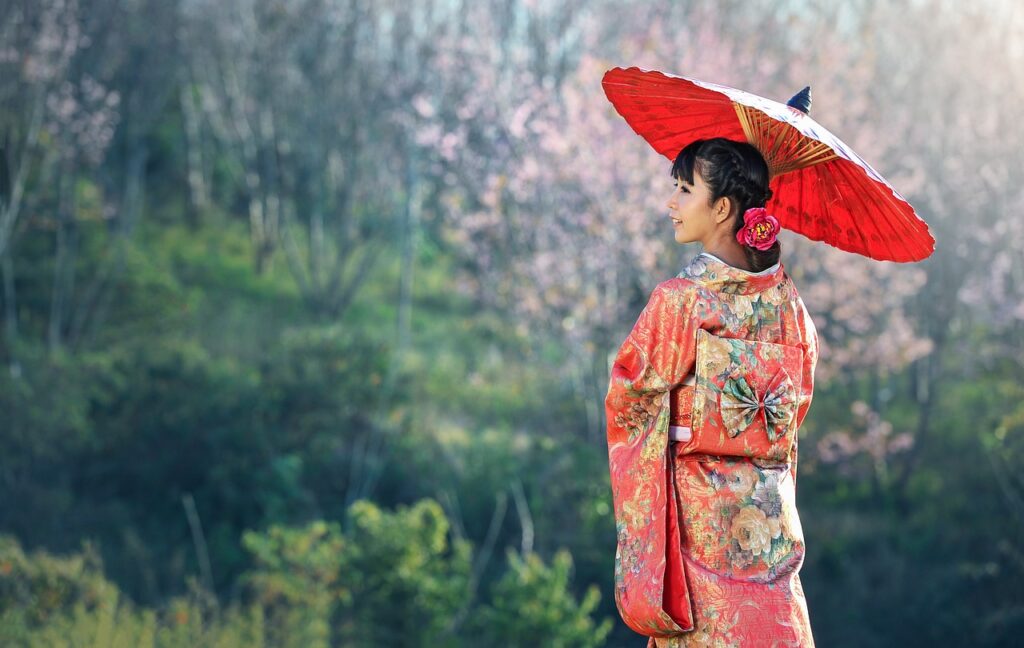

Imagine being in a foreign country, surrounded by people dressed in clothing that is completely different from what you are used to. The colors, patterns, and styles are all new and fascinating. This is what happens when someone encounters traditional clothing for the first time. It’s an eye-opening experience that can spark curiosity and a desire to learn more. Traditional clothing is not just something people wear; it’s a part of their culture and identity. As a beginner, diving into this topic can be both exciting and overwhelming. With so many different types of traditional clothing around the world, it’s hard to know where to start.
&#; In This Post
What Is Traditional Clothing?
Traditional clothing refers to the attire (the clothes and accessories that people wear) that is specific to a particular culture or region – often passed down through generations (one generation teaching the next). It’s a way for people to express their cultural heritage (the traditions, customs, and values that are shared by a group of people) and connect with their community. Traditional clothing can include anything from the fabrics used, the way clothes are made, to the specific garments (types of clothes) that are worn on special occasions.
| Term | Plain-English Meaning |
|---|---|
| Culture | The customs, traditions, and values shared by a group of people – like a common language or food preferences. |
| Heritage | The traditions, customs, and values that are passed down from one generation to the next, like family recipes or cultural festivals. |
| Attire | The clothes and accessories that people wear – including everything from shoes to hats. |
| Garments | Types of clothes, like shirts, dresses, or pants – each serving a different purpose or occasion. |
| Community | A group of people who share common interests, customs, or a geographical location – like a neighborhood or a club. |
| Generations | Groups of people born and living around the same time, one after the other – like grandparents, parents, and children. |
Why Traditional Clothing Matters
Traditional clothing matters because it is a tangible (something that can be touched or seen) representation of a culture’s history and identity. It’s a way for people to connect with their past and their community. For example, in Japan, the traditional kimono is not just a garment, but a symbol of the country’s rich cultural heritage. The intricate designs and patterns on a kimono can tell stories of the wearer’s family, social status, and even their marital status. In India, the traditional sari is a staple of women’s clothing, with different regions having their unique styles and fabrics. This diversity in traditional clothing is what makes it so fascinating and important.
The impact of traditional clothing can be seen in various aspects of society. For instance, it plays a significant role in preserving cultural diversity (the variety of different cultures within a society). In a world where globalization (the process of businesses or organizations operating on an international scale) is increasingly prevalent, traditional clothing serves as a reminder of the importance of cultural identity. According to UNESCO (the United Nations Educational, Scientific and Cultural Organization), there are over 7,000 languages spoken worldwide, and each language is often associated with a unique culture and traditional clothing. This highlights the vast array of traditional clothing that exists globally.
Moreover, traditional clothing has economic benefits. In many countries, the production and sale of traditional clothing are significant contributors to the local economy. For example, in Ethiopia, the traditional garment industry provides employment opportunities for thousands of people, particularly women. The industry also generates substantial revenue (the income generated from sales) for the country, with the global market for traditional Ethiopian clothing valued at millions of dollars. This demonstrates the potential of traditional clothing to drive economic growth and development.
Top Traditional Clothing Innovations to Know
1. Sustainable Fabrics
Sustainable fabrics refer to materials that are produced with minimal harm to the environment – like organic cotton or recycled materials. These fabrics are used in traditional clothing to reduce the ecological footprint (the impact that human activities have on the environment) of the garment industry. To use sustainable fabrics, designers and manufacturers can source materials from suppliers that adhere to environmental standards. However, a common beginner mistake is to overlook the certifications and standards that ensure the fabrics are truly sustainable. Sustainable fabrics refer
- What You Gain: Reduced environmental impact, healthier working conditions for farmers and workers, and a more conscious consumer market.
- Increased brand reputation and customer loyalty due to the commitment to sustainability.
2. Digital Printing
Digital printing is a technology that allows for the direct printing of designs onto fabrics – making it possible to produce small quantities of traditional clothing with intricate patterns. To use digital printing, designers can create their designs using computer software and then print them directly onto the fabric. However, a common mistake is to underestimate the cost and complexity of setting up a digital printing operation.
- What You Gain: Increased design flexibility, reduced production time, and the ability to produce small batches of traditional clothing.
- Opportunities for customization and personalization of traditional garments.
3. Cultural Exchange Programs
Cultural exchange programs are initiatives that allow people from different cultures to share and learn from each other’s traditions – including traditional clothing. To participate in these programs, individuals can apply through organizations that facilitate cultural exchanges. However, a common mistake is to overlook the potential challenges of cultural differences and communication barriers.
- What You Gain: Deeper understanding and appreciation of different cultures, new perspectives on traditional clothing, and personal growth through cultural immersion.
- Opportunities for collaboration and innovation in traditional clothing design and production.
4. Traditional Clothing Revival
Traditional clothing revival refers to the efforts to preserve and promote traditional clothing that is at risk of disappearing – often due to the influence of modern fashion trends. To be part of this revival, individuals can support designers and brands that work with traditional clothing, and learn about the cultural significance of these garments. However, a common mistake is to appropriate traditional clothing without proper understanding or respect for its cultural context.
- What You Gain: Preservation of cultural heritage, support for local communities and artisans, and a unique sense of style that connects to tradition.
- Education and awareness about the importance of traditional clothing and its role in cultural identity.
5. Fashion Fusion
Fashion fusion is the blending of traditional clothing with modern fashion styles and trends – creating a new and innovative look. To achieve fashion fusion, designers can combine traditional fabrics, patterns, and garments with contemporary designs and silhouettes. However, a common mistake is to lose the essence of the traditional clothing in the process of fusion.
- What You Gain: Unique and stylish garments that appeal to a wide range of consumers, opportunities for cultural exchange and collaboration.
- Increased visibility and appreciation for traditional clothing in the global fashion market.
6. Online Platforms
Online platforms are digital spaces where traditional clothing can be showcased, sold, and discussed – reaching a global audience. To utilize these platforms, individuals can create profiles, share photos and stories about traditional clothing, and engage with communities of interest. However, a common mistake is to underestimate the importance of high-quality content and engaging storytelling.
- What You Gain: Global reach and visibility for traditional clothing, opportunities for e-commerce and sales, and a community of like-minded individuals.
- Access to a wealth of information and resources about traditional clothing from around the world.
7. Educational Workshops
Educational workshops are sessions where people can learn about traditional clothing, its history, and its cultural significance – often through hands-on activities and discussions. To organize or participate in these workshops, individuals can partner with cultural institutions, schools, or community centers. However, a common mistake is to overlook the need for qualified instructors and comprehensive curriculum.
- What You Gain: In-depth knowledge about traditional clothing, practical skills in making or designing traditional garments, and a network of people with similar interests.
- Opportunities for cultural preservation and the passing down of traditional clothing knowledge to future generations.
| Step | What You Do | Expected Result |
|---|---|---|
| 1. Sustainable Fabrics | Source and use environmentally friendly materials. | Reduced environmental impact of traditional clothing production. |
| 2. Digital Printing | Utilize digital printing technology for traditional clothing designs. | Increase in design flexibility and reduction in production time. |
| 3. Cultural Exchange Programs | Participate in programs that facilitate cultural exchange and learning. | Deeper understanding and appreciation of different cultures and traditional clothing. |
| 4. Traditional Clothing Revival | Support and promote the preservation of traditional clothing. | Preservation of cultural heritage and support for local communities. |
| 5. Fashion Fusion | Combine traditional clothing with modern fashion styles. | Creation of unique and innovative garments that appeal to a wide audience. |
| 6. Online Platforms | Utilize digital platforms to showcase and discuss traditional clothing. | Increased global visibility and reach for traditional clothing. |
| 7. Educational Workshops | Organize or participate in workshops about traditional clothing. | In-depth knowledge and practical skills in traditional clothing and its cultural significance. |
Frequently Asked Questions
What is the significance of traditional clothing in modern society?
Traditional clothing plays a significant role in preserving cultural heritage and identity. It serves as a tangible representation of a culture’s history and values, providing a sense of continuity and connection to the past. In modern society, traditional clothing is not just a relic of the past but a living part of cultural expression, influencing contemporary fashion and design.
How can I learn more about traditional clothing from around the world?
To learn more about traditional clothing, one can start by researching online, visiting cultural museums, attending traditional clothing festivals, or participating in cultural exchange programs. Reading books and articles about the history and cultural significance of traditional clothing can also provide valuable insights. Furthermore, engaging with communities that preserve and promote traditional clothing can offer firsthand experiences and knowledge.
What is the impact of globalization on traditional clothing?
Globalization has a complex impact on traditional clothing. On one hand, it provides opportunities for traditional clothing to reach a global audience, potentially increasing its popularity and economic benefits. On the other hand, globalization can lead to the homogenization of cultures, threatening the uniqueness and diversity of traditional clothing. The influence of fast fashion can also undermine the traditional garment industry, affecting local economies and cultural preservation.
How can traditional clothing be made more sustainable?
Traditional clothing can be made more sustainable by using environmentally friendly materials, reducing waste, and implementing fair labor practices. Designers and manufacturers can opt for sustainable fabrics, such as organic cotton or recycled materials, and adopt production methods that minimize environmental impact. Additionally, promoting the value of traditional clothing and supporting local, small-scale producers can help in preserving cultural heritage and reducing the ecological footprint of the fashion industry. made more sustainable
What role does traditional clothing play in cultural preservation?
Traditional clothing plays a vital role in cultural preservation. It is a tangible aspect of cultural heritage that embodies the history, values, and traditions of a community. By preserving and promoting traditional clothing, communities can maintain their cultural identity and pass it down to future generations. Traditional clothing also serves as a symbol of cultural diversity, contributing to the richness and complexity of human expression.
Wrapping Up
Traditional clothing is a fascinating and complex topic that offers insights into the cultural, social, and economic aspects of societies around the world. By exploring and understanding traditional clothing, individuals can gain a deeper appreciation for cultural diversity and the importance of preserving cultural heritage. Whether through sustainable fashion practices, cultural exchange programs, or educational workshops, there are numerous ways to engage with and support traditional clothing, ensuring its continuation and relevance in modern times.
The path into the world of traditional clothing is not just about garments; it’s about the people, their stories, and the cultures they represent. It’s an invitation to explore, learn, and appreciate the diversity of human expression. As the world becomes increasingly interconnected, the significance of traditional clothing as a symbol of cultural identity and heritage will only continue to grow.
In the end, traditional clothing is more than just something people wear; it’s a bridge that connects the past to the present, and the local to the global. It reminds us of the beauty of cultural diversity and the importance of preserving our collective heritage for future generations.