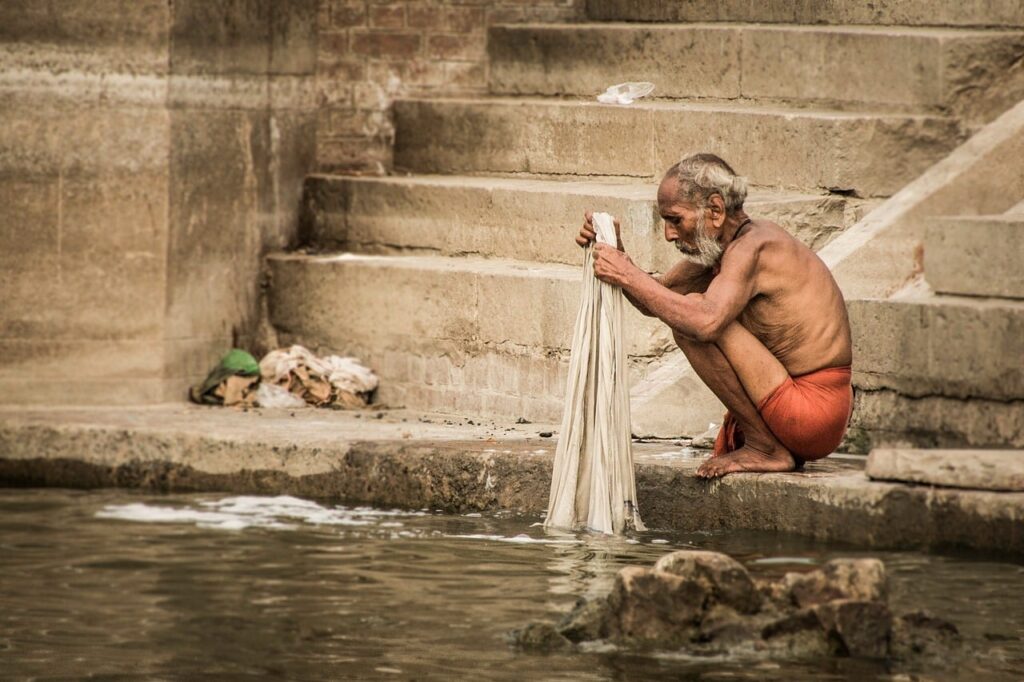

Local culture is rapidly becoming a major draw for travelers worldwide, with many seeking to immerse themselves in the unique traditions and customs of each destination. As a result, the travel industry is shifting its focus towards providing more authentic experiences for visitors. This change is driven by the desire to connect with local communities and understand their way of life. The rise of local culture tourism is also creating new opportunities for economic growth and cultural exchange.
Understanding Local Culture
Local culture refers to the unique set of customs, traditions, and values that are specific to a particular region or community. It encompasses various aspects, including language, food, music, art, and festivals, which all contribute to the distinct character of a place. Understanding local culture is essential for travelers to truly experience and appreciate the essence of a destination, rather than just visiting tourist attractions.
Major Local Culture Developments
1. Cultural Festivals
Cultural festivals are an excellent way to experience local culture, as they often showcase traditional music, dance, and food. These events provide a glimpse into the history and customs of a community, allowing visitors to connect with locals and learn about their heritage.
- Advantages:
- Opportunity to experience traditional music and dance
- Taste local cuisine and drinks
- Meet locals and learn about their customs
- What Needs Work:
- Over-tourism can disrupt the authenticity of festivals
- Lack of understanding of cultural significance can lead to disrespect
2. Local Markets
Local markets are another great way to experience local culture, as they offer a wide range of traditional products, such as handicrafts, textiles, and street food. These markets provide a platform for artisans and vendors to showcase their skills and products, allowing visitors to support the local economy.
- Advantages:
- Unique shopping experience with traditional products
- Opportunity to support local artisans and vendors
- Authentic food and drink options
- What Needs Work:
- Pricing and quality can vary greatly
- Language barriers can make communication difficult
| Destination | Festival/Market | Description |
|---|---|---|
| Japan | Cherry Blossom Festival | A traditional festival celebrating the blooming of cherry blossoms |
| Mexico | Day of the Dead | A cultural festival honoring the deceased |
| India | Diwali | A festival of lights celebrating the triumph of good over evil |
How This Affects Everyday Life
✔ Increased Cultural Awareness
Experiencing local culture can broaden one’s understanding and appreciation of different customs and traditions, leading to increased cultural awareness and sensitivity.
✔ Community Engagement
Local culture tourism can foster community engagement, as visitors participate in cultural events and support local businesses, contributing to the local economy.
✔ Preservation of Traditions
By experiencing and appreciating local culture, visitors can help preserve traditional customs and practices, which might otherwise be lost over time.
✔ Economic Growth
Local culture tourism can generate revenue and create jobs, contributing to the economic growth and development of a region.
✔ Personal Growth
Immersing oneself in local culture can be a transformative experience, leading to personal growth and a broader perspective on life.
✔ Cross-Cultural Understanding
Experiencing local culture can facilitate cross-cultural understanding, breaking down stereotypes and fostering global unity.
What to Expect Next
- Increased demand for authentic cultural experiences
- More focus on sustainable and responsible tourism practices
- Greater emphasis on community-based tourism initiatives
- Development of new technologies to enhance cultural experiences
- Growing interest in niche cultural festivals and events
- Expansion of cultural tourism to new and emerging destinations
One Last Thing
Experiencing local culture is a rewarding and enriching experience that allows travelers to connect with communities and understand their way of life. By embracing cultural diversity and supporting local initiatives, visitors can contribute to the preservation of traditions and the growth of local economies. As the world becomes increasingly interconnected, the importance of local culture will only continue to grow.