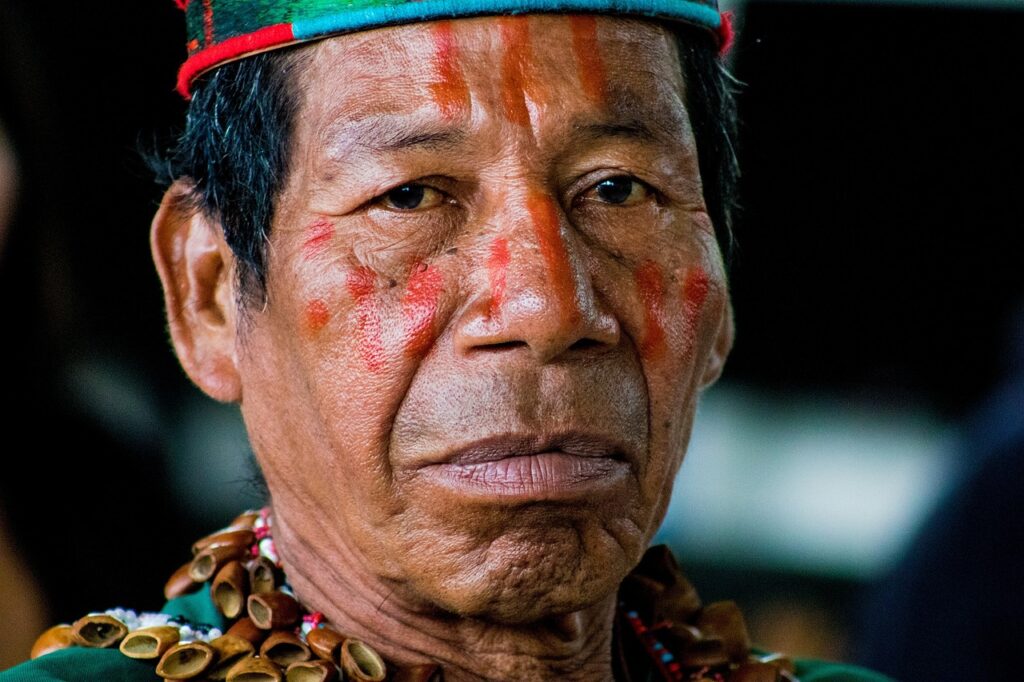

Recent years have seen a significant surge in interest in indigenous cultures, with many people seeking to learn more about and connect with the traditions and ways of life of native communities around the world. A striking statistic is that there are over 370 million indigenous people worldwide, making up around 5% of the global population, yet accounting for a staggering 15% of the world’s poorest people. Despite this, indigenous cultures are incredibly rich and diverse, with over 4,000 different ethnic groups and more than 6,000 languages spoken. However, this increased interest has also led to the perpetuation of many myths and misconceptions about indigenous cultures. The notion that indigenous cultures are static and unchanging is a common misconception that needs to be addressed. In reality, indigenous cultures have always been dynamic and adaptive, evolving to meet the changing needs and circumstances of their communities.
&#; Contents
The Current State of Indigenous Cultures (Myths Debunked)
One of the most prevalent myths about indigenous cultures is that they are inherently inferior to Western cultures. This myth has been used to justify centuries of colonization, forced assimilation, and cultural suppression. However, the truth is that indigenous cultures have made significant contributions to the world, from the development of sophisticated agricultural systems to the creation of complex and beautiful art forms. Another myth is that indigenous cultures are unable to adapt to modernity, and that they are somehow stuck in the past. This could not be further from the truth, as indigenous communities have always been resourceful and innovative, using traditional knowledge and practices to inform their responses to contemporary challenges.
Today, indigenous cultures are facing a range of challenges, from climate change and environmental degradation to cultural suppression and marginalization. Despite these challenges, indigenous communities are fighting back, using a range of strategies to preserve and promote their cultures. From language and cultural revitalization programs to land rights campaigns and self-determination movements, indigenous peoples are taking control of their own destinies and shaping their own futures.
| Metric | Current Value | Source Type | Trend |
|---|---|---|---|
| Number of indigenous languages spoken worldwide | Over 6,000 | UNESCO | Declining |
| Percentage of indigenous peoples living in poverty | 15% | World Bank | Increasing |
| Number of indigenous communities affected by climate change | Over 50% | IPCC | Increasing |
| Percentage of indigenous peoples with access to education | 70% | UNICEF | Increasing |
Leading Indigenous Culture Solutions
1. Language and Cultural Revitalization Programs
Cultural Revitalization Programs
Language and cultural revitalization programs are a key strategy for preserving and promoting indigenous cultures. These programs aim to revitalize indigenous languages and cultural practices, and to pass them on to younger generations. The driving forces behind these programs are the desire to preserve cultural heritage and to promote indigenous self-determination. Evidence from around the world shows that these programs can be highly effective, with many communities experiencing a significant increase in language and cultural knowledge among young people. cultural revitalization programs
For example, the Hawaiian language revitalization program has been highly successful, with the number of fluent speakers increasing from just 50 in the 1980s to over 18,000 today. This program has been driven by the Hawaiian community, with a focus on language immersion and cultural education.
- Strengths:
- Promotes cultural preservation and revitalization
- Supports indigenous self-determination and autonomy
- Can be adapted to suit the needs of different communities
2. Land Rights Campaigns
Land rights campaigns are another key strategy for preserving and promoting indigenous cultures. These campaigns aim to secure indigenous peoples’ rights to their traditional lands and territories, and to protect these lands from exploitation and development. The driving forces behind these campaigns are the desire to protect indigenous peoples’ cultural heritage and to promote their human rights. Evidence from around the world shows that these campaigns can be highly effective, with many communities successfully securing their land rights and protecting their territories.
For example, the Native American rights movement in the United States has been highly successful, with many tribes securing their land rights and protecting their territories from development. This movement has been driven by the Native American community, with a focus on grassroots organizing and advocacy.
- Strengths:
- Promotes indigenous self-determination and autonomy
- Protects indigenous peoples’ cultural heritage and traditional lands
- Can be adapted to suit the needs of different communities
3. Self-Determination Movements
Self-determination movements are a key strategy for preserving and promoting indigenous cultures. These movements aim to secure indigenous peoples’ rights to self-governance and autonomy, and to promote their human rights. The driving forces behind these movements are the desire to promote indigenous self-determination and to protect indigenous peoples’ cultural heritage. Evidence from around the world shows that these movements can be highly effective, with many communities successfully securing their right to self-determination and promoting their human rights.
For example, the Catalan self-determination movement in Spain has been highly successful, with the Catalan people securing their right to self-governance and autonomy. This movement has been driven by the Catalan community, with a focus on grassroots organizing and advocacy.
- Strengths:
- Promotes indigenous self-determination and autonomy
- Protects indigenous peoples’ cultural heritage and human rights
- Can be adapted to suit the needs of different communities
Promotes indigenous selfdetermination
4. Cultural Education and Awareness Programs
Cultural education and awareness programs are a key strategy for preserving and promoting indigenous cultures. These programs aim to promote awareness and understanding of indigenous cultures, and to support the preservation and revitalization of indigenous cultural heritage. The driving forces behind these programs are the desire to promote cross-cultural understanding and to support indigenous self-determination. Evidence from around the world shows that these programs can be highly effective, with many communities experiencing a significant increase in cultural awareness and understanding.
For example, the Australian government’s cultural education program has been highly successful, with a significant increase in cultural awareness and understanding among non-indigenous Australians. This program has been driven by the Australian government, with a focus on education and community engagement.
- Strengths:
- Promotes cross-cultural understanding and awareness
- Supports indigenous self-determination and autonomy
- Can be adapted to suit the needs of different communities
5. Indigenous-Led Conservation Initiatives
Indigenous-led conservation initiatives are a key strategy for preserving and promoting indigenous cultures. These initiatives aim to promote the conservation of indigenous peoples’ traditional lands and territories, and to support the preservation of indigenous cultural heritage. The driving forces behind these initiatives are the desire to protect indigenous peoples’ cultural heritage and to promote their human rights. Evidence from around the world shows that these initiatives can be highly effective, with many communities successfully conserving their traditional lands and territories.
For example, the indigenous-led conservation initiative in the Amazon rainforest has been highly successful, with many communities conserving their traditional lands and territories. This initiative has been driven by the indigenous community, with a focus on grassroots organizing and advocacy.
- Strengths:
- Promotes the conservation of indigenous peoples’ traditional lands and territories
- Supports indigenous self-determination and autonomy
- Can be adapted to suit the needs of different communities
6. Digital Preservation of Indigenous Cultural Heritage
Digital preservation of indigenous cultural heritage is a key strategy for preserving and promoting indigenous cultures. This strategy involves the use of digital technologies to preserve and promote indigenous cultural heritage, including language, music, art, and other forms of cultural expression. The driving forces behind this strategy are the desire to preserve indigenous cultural heritage and to promote indigenous self-determination. Evidence from around the world shows that digital preservation can be highly effective, with many communities successfully preserving and promoting their cultural heritage using digital technologies. indigenous cultural heritage
For example, the digital preservation of indigenous cultural heritage in Canada has been highly successful, with many communities preserving and promoting their cultural heritage using digital technologies. This initiative has been driven by the Canadian government, with a focus on digital preservation and community engagement. indigenous cultural heritage
- Strengths:
- Promotes the preservation of indigenous cultural heritage
- Supports indigenous self-determination and autonomy
- Can be adapted to suit the needs of different communities
The Next 5 Years
1 Year: Increased Focus on Cultural Preservation
Over the next year, there will be an increased focus on cultural preservation, with many communities and organizations working to preserve and promote indigenous cultural heritage. This will involve the development of new programs and initiatives, as well as the expansion of existing ones. The driving forces behind this trend are the desire to preserve indigenous cultural heritage and to promote indigenous self-determination.
Evidence from around the world shows that cultural preservation is a key strategy for preserving and promoting indigenous cultures. For example, the cultural preservation program in New Zealand has been highly successful, with many communities preserving and promoting their cultural heritage.
3 Years: Growing Recognition of Indigenous Rights
Over the next three years, there will be a growing recognition of indigenous rights, with many governments and organizations working to recognize and respect the rights of indigenous peoples. This will involve the development of new policies and laws, as well as the implementation of existing ones. The driving forces behind this trend are the desire to promote indigenous self-determination and to protect indigenous peoples’ human rights.
Evidence from around the world shows that the recognition of indigenous rights is a key strategy for preserving and promoting indigenous cultures. For example, the recognition of indigenous rights in Australia has been highly successful, with many communities experiencing a significant improvement in their human rights and self-determination.
5 Years: Increased Indigenous Participation in Decision-Making
Over the next five years, there will be an increased participation of indigenous peoples in decision-making, with many communities and organizations working to promote indigenous self-determination and autonomy. This will involve the development of new programs and initiatives, as well as the expansion of existing ones. The driving forces behind this trend are the desire to promote indigenous self-determination and to support indigenous peoples’ human rights.
Evidence from around the world shows that indigenous participation in decision-making is a key strategy for preserving and promoting indigenous cultures. For example, the indigenous participation in decision-making in Canada has been highly successful, with many communities experiencing a significant improvement in their self-determination and autonomy.
| Year | Likely Development | Impact Level |
|---|---|---|
| 1 year | Increased focus on cultural preservation | High |
| 3 years | Growing recognition of indigenous rights | Medium |
| 5 years | Increased indigenous participation in decision-making | High |
Real-World Benefits
Preserving and promoting indigenous cultures has a range of real-world benefits, from promoting cross-cultural understanding and awareness to supporting indigenous self-determination and autonomy. For example, the preservation of indigenous languages has been shown to have a positive impact on indigenous communities, with many communities experiencing a significant improvement in their cultural heritage and identity.
The promotion of indigenous cultural heritage also has a range of economic benefits, from tourism and cultural exchange to the development of indigenous-owned businesses. For example, the indigenous cultural heritage tourism industry in New Zealand has been highly successful, with many communities experiencing a significant increase in tourism and economic development.
The recognition of indigenous rights also has a range of social benefits, from promoting indigenous self-determination and autonomy to supporting indigenous peoples’ human rights. For example, the recognition of indigenous rights in Australia has been highly successful, with many communities experiencing a significant improvement in their human rights and self-determination.
The increased participation of indigenous peoples in decision-making also has a range of environmental benefits, from promoting the conservation of indigenous peoples’ traditional lands and territories to supporting the preservation of indigenous cultural heritage. For example, the indigenous-led conservation initiative in the Amazon rainforest has been highly successful, with many communities conserving their traditional lands and territories.
The digital preservation of indigenous cultural heritage also has a range of cultural benefits, from promoting the preservation of indigenous cultural heritage to supporting the development of indigenous-owned digital technologies. For example, the digital preservation of indigenous cultural heritage in Canada has been highly successful, with many communities preserving and promoting their cultural heritage using digital technologies.
What to Do Right Now
- Support indigenous-led conservation initiatives by donating to organizations that work to conserve indigenous peoples’ traditional lands and territories. This will help to promote the conservation of indigenous cultural heritage and support the preservation of indigenous peoples’ human rights. Additionally, it will help to promote indigenous self-determination and autonomy, which is essential for the preservation and promotion of indigenous cultures.
- Learn about indigenous cultures by taking a course or attending a workshop on indigenous cultural heritage. This will help to promote cross-cultural understanding and awareness, and support the preservation and promotion of indigenous cultures. Additionally, it will help to challenge stereotypes and misconceptions about indigenous cultures, which is essential for promoting indigenous self-determination and autonomy.
- Support indigenous artists and cultural practitioners by purchasing their work or attending their performances. This will help to promote the preservation and promotion of indigenous cultural heritage, and support the development of indigenous-owned businesses. Additionally, it will help to promote indigenous self-determination and autonomy, which is essential for the preservation and promotion of indigenous cultures.
- Advocate for indigenous rights by contacting your government representatives and expressing your support for indigenous self-determination and autonomy. This will help to promote the recognition of indigenous rights, and support the preservation and promotion of indigenous cultures. Additionally, it will help to challenge stereotypes and misconceptions about indigenous cultures, which is essential for promoting indigenous self-determination and autonomy.
- Participate in cultural exchange programs by hosting an indigenous cultural exchange student or participating in a cultural exchange program. This will help to promote cross-cultural understanding and awareness, and support the preservation and promotion of indigenous cultures. Additionally, it will help to challenge stereotypes and misconceptions about indigenous cultures, which is essential for promoting indigenous self-determination and autonomy.
Support indigenousled conservation
One Last Thing
The preservation and promotion of indigenous cultures is a complex and challenging issue, but it is also a highly rewarding one. By supporting indigenous-led conservation initiatives, learning about indigenous cultures, supporting indigenous artists and cultural practitioners, advocating for indigenous rights, and participating in cultural exchange programs, individuals can help to promote the preservation and promotion of indigenous cultures. Additionally, individuals can help to challenge stereotypes and misconceptions about indigenous cultures, which is essential for promoting indigenous self-determination and autonomy.
The next five years will be critical for the preservation and promotion of indigenous cultures, with many communities and organizations working to promote indigenous self-determination and autonomy. The increased focus on cultural preservation, the growing recognition of indigenous rights, and the increased participation of indigenous peoples in decision-making will all contribute to a significant improvement in the preservation and promotion of indigenous cultures.
However, there are also many challenges that must be addressed, from the ongoing impact of colonization and marginalization to the growing threat of climate change and environmental degradation. By working together and supporting indigenous-led initiatives, individuals can help to promote the preservation and promotion of indigenous cultures, and support the development of a more just and equitable society for all.
Ultimately, the preservation and promotion of indigenous cultures is a collective responsibility, and one that requires the active participation and engagement of individuals and communities around the world. By working together and supporting indigenous-led initiatives, individuals can help to promote the preservation and promotion of indigenous cultures, and support the development of a more just and equitable society for all.