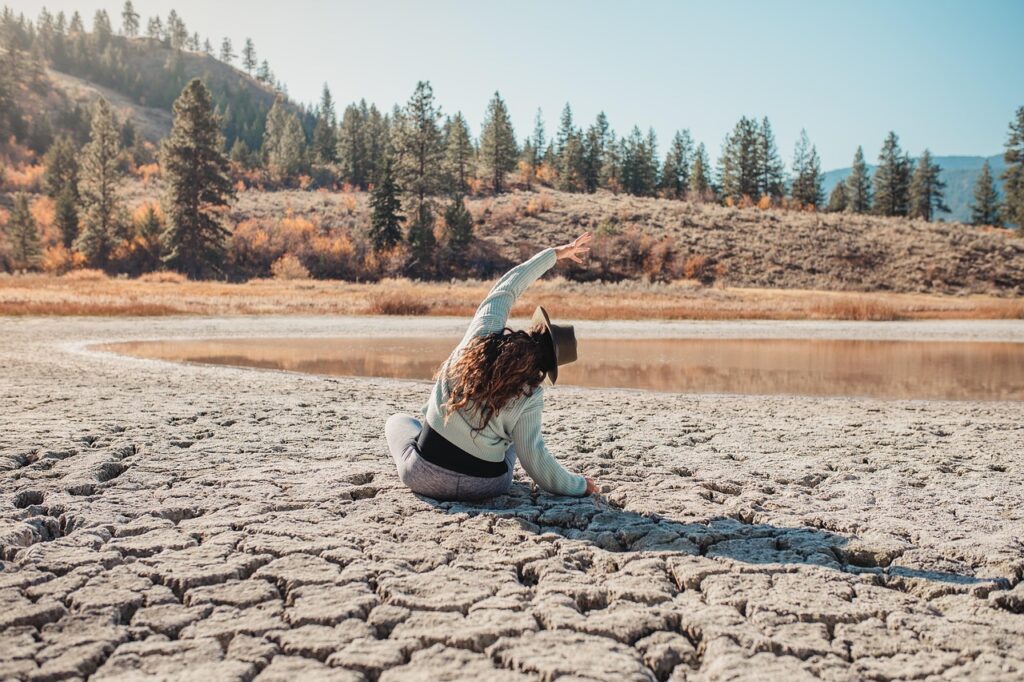

Most people assume that mindfulness is a complex and time-consuming practice that requires years of dedication and training. However, the truth is that mindfulness can be practiced by anyone, anywhere, and at any time. In fact, a recent study found that just 10 minutes of mindfulness practice per day can have a significant impact on both mental and physical health. Despite this, many people are still unsure about how to get started with mindfulness. With so much information available, it can be difficult to know where to begin.
📝 What You'll Learn
Defining Mindfulness
Mindfulness is often defined as the practice of being present in the moment, without judgment or distraction. This can involve paying attention to thoughts, feelings, and sensations in the body, as well as the surrounding environment. One of the key principles of mindfulness is the concept of non-judgment, which involves observing experiences without labeling them as good or bad. This can be particularly challenging in today’s fast-paced world, where distractions are constant and it’s easy to get caught up in thoughts and worries about the past or future.
While mindfulness is often associated with meditation and yoga, it can also be practiced in everyday activities such as eating, walking, or even doing the dishes. The key is to approach each experience with a sense of curiosity and openness, rather than simply going through the motions. The following table compares different types of mindfulness practices:
| Practice | Description | Benefits |
|---|---|---|
| Meditation | Sitting or lying down in stillness, focusing on breath or body | Reduces stress and anxiety, improves sleep |
| Yoga | Combines physical postures, breathing techniques, and meditation | Improves flexibility, balance, and strength, reduces stress |
| Body scan | Lying down or sitting, bringing awareness to different parts of the body | Reduces tension, improves relaxation, increases body awareness |
| Walking | Paying attention to the sensation of feet touching the ground, movement of legs and arms | Improves balance, reduces stress, increases mindfulness in daily activities |
Leading Mindfulness Solutions
1. Mindfulness Meditation
Mindfulness meditation involves sitting or lying down in stillness, focusing on the breath or body. This can be done with eyes closed or open, and can be guided by a teacher or done independently. Regular mindfulness meditation practice can lead to a range of benefits, including reduced stress and anxiety, improved sleep, and increased focus and productivity.
One of the key challenges of mindfulness meditation is dealing with a restless mind. This can involve gently bringing the attention back to the breath or body, without judgment or frustration. With regular practice, it becomes easier to settle the mind and cultivate a sense of calm and clarity.
- What You Gain:
- Reduced stress and anxiety, leading to improved overall well-being
- Improved sleep quality, leading to better rest and recovery
- Increased focus and productivity, leading to greater success in work and personal life
2. Yoga and Mindfulness
Yoga is a physical, mental, and spiritual practice that originated in India over 5,000 years ago. It combines physical postures, breathing techniques, and meditation to cultivate a sense of awareness and connection to the body. Yoga can be practiced in a variety of styles, from gentle and restorative to challenging and dynamic.
One of the key benefits of yoga is its ability to reduce stress and anxiety, while also improving flexibility, balance, and strength. Regular yoga practice can also lead to increased mindfulness and awareness in daily activities, making it easier to stay present and focused.
- What You Gain:
- Improved flexibility, balance, and strength, leading to better overall physical health
- Reduced stress and anxiety, leading to improved mental well-being
- Increased mindfulness and awareness in daily activities, leading to greater productivity and success
3. Body Scan and Mindfulness
A body scan involves lying down or sitting, bringing awareness to different parts of the body. This can involve noticing areas of tension or relaxation, as well as sensations such as pain, numbness, or tingling. Regular body scan practice can lead to a range of benefits, including reduced tension, improved relaxation, and increased body awareness.
One of the key challenges of body scan practice is dealing with areas of pain or discomfort. This can involve gently bringing the attention to the affected area, without judgment or resistance. With regular practice, it becomes easier to cultivate a sense of curiosity and openness, leading to greater awareness and understanding of the body.
- What You Gain:
- Reduced tension and stress, leading to improved overall well-being
- Improved relaxation and sleep quality, leading to better rest and recovery
- Increased body awareness, leading to greater understanding and appreciation of the body
4. Mindful Walking
Mindful walking involves paying attention to the sensation of feet touching the ground, movement of legs and arms, and surroundings. This can be done in a variety of settings, from natural environments to urban streets. Regular mindful walking practice can lead to a range of benefits, including improved balance, reduced stress, and increased mindfulness in daily activities. Mindful walking involves
One of the key challenges of mindful walking is dealing with distractions such as traffic, noise, or other people. This can involve gently bringing the attention back to the present moment, without judgment or frustration. With regular practice, it becomes easier to cultivate a sense of calm and clarity, even in challenging environments.
- What You Gain:
- Improved balance and coordination, leading to reduced risk of falls and injuries
- Reduced stress and anxiety, leading to improved mental well-being
- Increased mindfulness and awareness in daily activities, leading to greater productivity and success
5. Mindfulness in Daily Activities
Mindfulness can be practiced in a variety of daily activities, from eating and drinking to showering and dressing. This involves paying attention to the sensations, sights, and smells of the experience, without judgment or distraction. Regular mindfulness practice in daily activities can lead to a range of benefits, including improved appreciation and enjoyment, reduced stress and anxiety, and increased mindfulness and awareness.
One of the key challenges of mindfulness in daily activities is dealing with habits and routines. This can involve gently bringing the attention to the present moment, without judgment or resistance. With regular practice, it becomes easier to cultivate a sense of curiosity and openness, leading to greater awareness and appreciation of daily experiences.
- What You Gain:
- Improved appreciation and enjoyment of daily activities, leading to greater overall well-being
- Reduced stress and anxiety, leading to improved mental health
- Increased mindfulness and awareness in daily activities, leading to greater productivity and success
Real-World Benefits
✔ Reduced Stress and Anxiety
Mindfulness practices have been shown to reduce stress and anxiety by activating the parasympathetic nervous system, which promotes relaxation and calmness. Regular mindfulness practice can lead to a range of benefits, including improved mood, reduced symptoms of depression and anxiety, and enhanced overall well-being.
✔ Improved Sleep Quality
Mindfulness practices have been shown to improve sleep quality by reducing stress and anxiety, and promoting relaxation and calmness. Regular mindfulness practice can lead to a range of benefits, including improved sleep duration, reduced symptoms of insomnia, and enhanced overall well-being.
✔ Increased Focus and Productivity
Mindfulness practices have been shown to improve focus and productivity by training the mind to stay present and focused. Regular mindfulness practice can lead to a range of benefits, including improved concentration, reduced mind-wandering, and enhanced overall performance.
✔ Improved Emotional Regulation
Mindfulness practices have been shown to improve emotional regulation by increasing awareness of thoughts, feelings, and bodily sensations. Regular mindfulness practice can lead to a range of benefits, including improved mood, reduced symptoms of depression and anxiety, and enhanced overall well-being.
✔ Enhanced Self-Awareness Enhanced SelfAwareness
Mindfulness practices have been shown to enhance self-awareness by increasing awareness of thoughts, feelings, and bodily sensations. Regular mindfulness practice can lead to a range of benefits, including improved self-esteem, reduced self-criticism, and enhanced overall well-being.
✔ Better Relationships
Mindfulness practices have been shown to improve relationships by increasing empathy, compassion, and understanding. Regular mindfulness practice can lead to a range of benefits, including improved communication, reduced conflict, and enhanced overall relationship satisfaction.
| Mindfulness Practice | Frequency | Duration |
|---|---|---|
| Meditation | Daily | 10-30 minutes |
| Yoga | 2-3 times per week | 30-60 minutes |
| Body scan | 1-2 times per week | 10-30 minutes |
| Mindful walking | Daily | 10-30 minutes |
How This Will Evolve
- Mindfulness practices will become more mainstream and widely accepted as a tool for improving mental and physical health.
- Mindfulness practices will be tailored to meet the needs of specific populations, such as children, older adults, and individuals with chronic health conditions.
- Mindfulness practices will be integrated into a range of settings, including schools, workplaces, and healthcare systems.
- Mindfulness practices will be used in conjunction with other therapies and interventions, such as cognitive-behavioral therapy and medication.
- Mindfulness practices will be delivered through a range of technologies, including mobile apps, online platforms, and virtual reality.
This will involve increased awareness and education about the benefits of mindfulness, as well as greater availability of mindfulness-based programs and resources. As a result, more people will be able to access and benefit from mindfulness practices, leading to improved overall health and well-being.
This will involve the development of specialized mindfulness programs and resources that take into account the unique needs and challenges of each population. For example, mindfulness programs for children may focus on improving attention and self-regulation, while programs for older adults may focus on improving cognitive function and reducing stress.
This will involve the incorporation of mindfulness-based programs and resources into existing systems and structures, with the goal of promoting greater mindfulness and well-being among individuals and communities. For example, schools may offer mindfulness classes or workshops, while workplaces may provide mindfulness-based stress reduction programs for employees. resources into existing
This will involve the use of mindfulness as a complementary therapy, with the goal of enhancing the effectiveness of other treatments and improving overall health outcomes. For example, mindfulness may be used in conjunction with cognitive-behavioral therapy to treat anxiety or depression, or with medication to manage chronic pain.
This will involve the development of innovative mindfulness-based technologies that can be accessed and used by individuals in a variety of settings. For example, mobile apps may provide guided mindfulness meditations, while online platforms may offer mindfulness-based courses or workshops. Virtual reality may be used to create immersive mindfulness experiences that simulate real-world environments and scenarios.
What It All Means
Mindfulness practices offer a powerful tool for improving mental and physical health, and can be practiced by anyone, anywhere. By cultivating greater awareness and presence in daily life, individuals can reduce stress and anxiety, improve sleep quality, and enhance overall well-being. As mindfulness continues to evolve and become more mainstream, it is likely to have a profound impact on the way we live, work, and interact with one another.
Mindfulness practices have the potential to transform not only individual lives, but also communities and societies as a whole. By promoting greater awareness, compassion, and understanding, mindfulness can help to create a more just, equitable, and peaceful world. As we move forward, it will be exciting to see the many ways in which mindfulness continues to evolve and grow, and the positive impact it has on humanity.
Ultimately, the practice of mindfulness offers a profound opportunity for personal growth, transformation, and positive change. By embracing mindfulness and making it a part of daily life, individuals can cultivate a deeper sense of awareness, compassion, and connection, and live a more authentic, meaningful, and fulfilling life.