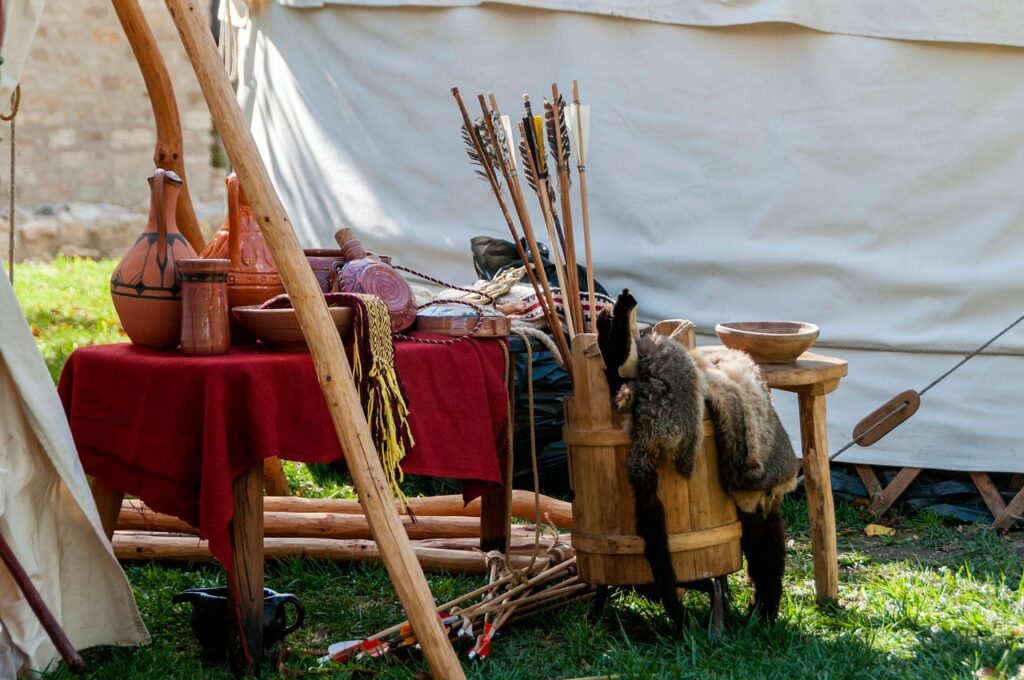

Most people believe that cultural preservation is only about protecting historical sites and museums, but it encompasses a broader range of activities. Cultural preservation involves protecting cultural artifacts, traditions, and historical sites from destruction, degradation, or loss. It requires a comprehensive approach that takes into account the social, economic, and environmental factors that affect cultural heritage. Unfortunately, many cultural preservation efforts are often underestimated or overlooked, leading to the loss of valuable cultural assets.
Defining Cultural Preservation
Cultural preservation refers to the actions taken to protect and conserve cultural heritage, including tangible and intangible cultural assets. It involves a range of activities, such as documentation, conservation, restoration, and education, aimed at preserving cultural artifacts, traditions, and historical sites for future generations. Cultural preservation is essential for maintaining cultural diversity, promoting cultural exchange, and fostering a sense of identity and community.
Cultural Preservation Methods Worth Knowing
1. Cultural Documentation
Cultural documentation involves recording and preserving cultural knowledge, traditions, and practices. This method is essential for preserving intangible cultural heritage, such as music, dance, and oral traditions.
- What You Gain:
- Preservation of cultural knowledge and traditions
- Documentation of cultural practices and customs
- Creation of a cultural archive for future reference
- What Needs Work:
- Limited access to cultural documentation resources
- Risk of cultural knowledge and traditions being lost or forgotten
- Need for standardized cultural documentation methods
2. Conservation and Restoration
Conservation and restoration involve the protection and preservation of cultural artifacts, such as artworks, monuments, and historical buildings. These methods aim to prevent damage, deterioration, or loss of cultural assets.
- What You Gain:
- Preservation of cultural artifacts and historical sites
- Prevention of damage or deterioration of cultural assets
- Restoration of cultural artifacts to their original state
- What Needs Work:
- Limited funding for conservation and restoration efforts
- Risk of cultural assets being damaged or lost during restoration
- Need for skilled conservators and restorers
| Cultural Preservation Method | Description | Benefits |
|---|---|---|
| Cultural Documentation | Recording and preserving cultural knowledge and traditions | Preservation of cultural knowledge and traditions, creation of a cultural archive |
| Conservation and Restoration | Protection and preservation of cultural artifacts and historical sites | Preservation of cultural artifacts and historical sites, prevention of damage or deterioration |
How This Affects Everyday Life
Cultural preservation has a significant impact on everyday life, from promoting cultural diversity to fostering a sense of community and identity.
✔ Preservation of Cultural Heritage
Cultural preservation helps to protect cultural heritage, including historical sites, monuments, and cultural artifacts, which are essential for maintaining cultural diversity and promoting cultural exchange.
✔ Promotion of Cultural Diversity
Cultural preservation promotes cultural diversity by protecting and preserving cultural knowledge, traditions, and practices, which are essential for fostering a sense of identity and community.
✔ Education and Awareness
Cultural preservation helps to educate people about the importance of cultural heritage and the need to protect it, which raises awareness and promotes cultural exchange.
✔ Economic Benefits
Cultural preservation can have economic benefits, such as tourism and job creation, which can help to promote cultural diversity and preserve cultural heritage.
✔ Community Engagement
Cultural preservation helps to engage communities in the protection and preservation of cultural heritage, which fosters a sense of ownership and responsibility.
How This Will Evolve
- Increased use of digital technologies, such as 3D scanning and virtual reality, to preserve and promote cultural heritage
- Greater emphasis on community engagement and participation in cultural preservation efforts
- More focus on preserving intangible cultural heritage, such as music, dance, and oral traditions
- Increased recognition of the economic benefits of cultural preservation, such as tourism and job creation
- Greater collaboration between governments, organizations, and communities to preserve cultural heritage
- More emphasis on preserving cultural heritage in the face of climate change and other environmental challenges
Wrapping Up
Cultural preservation is essential for maintaining cultural diversity, promoting cultural exchange, and fostering a sense of identity and community. It requires a comprehensive approach that takes into account the social, economic, and environmental factors that affect cultural heritage. By understanding the importance of cultural preservation and the methods used to preserve cultural heritage, people can work together to protect and promote cultural heritage for future generations.
Cultural preservation is a complex and ongoing process that requires the collaboration of governments, organizations, and communities. It is essential to recognize the importance of cultural preservation and to take action to protect and promote cultural heritage.
Ultimately, cultural preservation is crucial for maintaining cultural diversity and promoting cultural exchange, and it is essential to continue to work towards preserving cultural heritage for future generations.