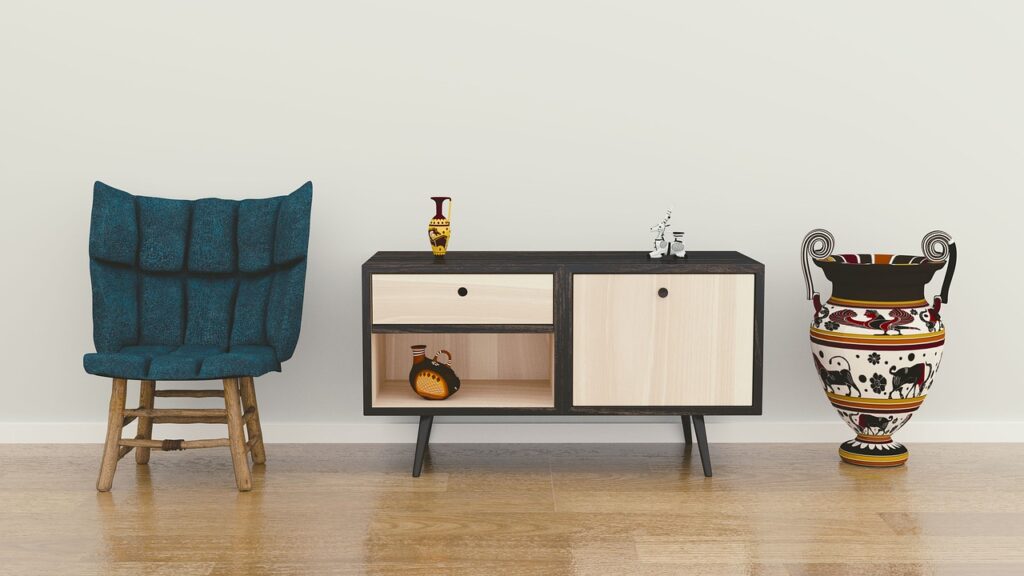

Imagine waking up every morning in a clutter-free home, where everything has its own place and purpose. This is the reality of many people who have adopted a minimalist lifestyle. By getting rid of unnecessary items and focusing on what truly adds value to their lives, they have been able to simplify their living spaces and reduce stress. With the ever-growing concern about consumerism and waste, it’s no wonder that more and more people are turning to minimalism as a way of life.
A Closer Look at Minimalism
Minimalism is a lifestyle that emphasizes simplicity and intentionality. It’s about living with only the things that are truly necessary and bringing joy to one’s life. This approach to life is not just about getting rid of clutter, but also about being mindful of consumption and waste. By adopting a minimalist lifestyle, individuals can reduce their environmental footprint, save money, and improve their mental and physical well-being.
Major Minimalist Developments
1. Decluttering and Organizing
One of the first steps in starting a minimalist lifestyle is to declutter and organize one’s living space. This involves getting rid of items that are no longer needed or useful and finding a home for everything that is kept. By doing so, individuals can create a sense of calm and serenity in their homes and make it easier to maintain a clutter-free environment.
- What You Gain:
- A clutter-free living space
- Reduced stress and anxiety
- More free time and energy
- Hurdles to Overcome:
- Emotional attachment to possessions
- Difficulty in deciding what to keep and what to discard
- Initial time and effort required to declutter and organize
2. Sustainable Consumption
Another important aspect of minimalism is sustainable consumption. This involves being mindful of the products and services that are consumed and making choices that are environmentally friendly and socially responsible. By adopting sustainable consumption practices, individuals can reduce their waste and carbon footprint and contribute to a more sustainable future.
- What You Gain:
- Reduced waste and carbon footprint
- More sustainable and environmentally friendly lifestyle
- Improved health and well-being
- Hurdles to Overcome:
- Higher upfront costs of sustainable products
- Difficulty in finding sustainable alternatives
- Initial adjustment to new consumption habits
| Category | Sustainable Option | Benefits |
|---|---|---|
| Food | Local and organic produce | Improved health, reduced carbon footprint |
| Transportation | Public transportation, cycling, or walking | Reduced carbon footprint, improved physical health |
| Clothing | Second-hand or sustainable clothing | Reduced waste, improved sustainability |
Why People Are Paying Attention
✔ Reduced stress and anxiety
By living with only the things that are truly necessary, individuals can reduce their stress and anxiety levels and create a more peaceful living environment.
✔ Improved mental and physical health
Minimalism can lead to improved mental and physical health by reducing exposure to toxins, improving sleep quality, and increasing physical activity.
✔ Increased productivity and focus
By eliminating distractions and clutter, individuals can improve their productivity and focus and achieve their goals more efficiently.
✔ Reduced waste and carbon footprint
Minimalism can lead to a significant reduction in waste and carbon footprint, contributing to a more sustainable future.
✔ Improved financial stability
By reducing consumption and living with only the things that are truly necessary, individuals can improve their financial stability and achieve their long-term financial goals.
✔ Increased creativity and inspiration
Minimalism can lead to increased creativity and inspiration by providing a clutter-free and peaceful environment that fosters innovation and imagination.
What to Expect Next
- Increased adoption of minimalist lifestyles and sustainable consumption practices
- Growing demand for eco-friendly and sustainable products
- More emphasis on experiential consumption and experiences over material possessions
- Increased focus on mental and physical well-being and self-care
- More innovation and technological advancements in sustainable living and minimalism
- Greater awareness and education about the benefits of minimalism and sustainable living
Closing Thoughts
Starting a minimalist lifestyle can be a challenging but rewarding experience. By adopting a mindful and intentional approach to consumption and living, individuals can simplify their lives, reduce stress and anxiety, and contribute to a more sustainable future. With its many benefits and growing popularity, minimalism is an approach to life that is worth considering.
As more people adopt minimalist lifestyles and sustainable consumption practices, it is likely that there will be a significant positive impact on the environment, mental and physical health, and financial stability.
Ultimately, the key to a successful minimalist lifestyle is to approach it with intentionality, patience, and an openness to new experiences and ways of living.





Practical advice you don’t find enough of in this space.