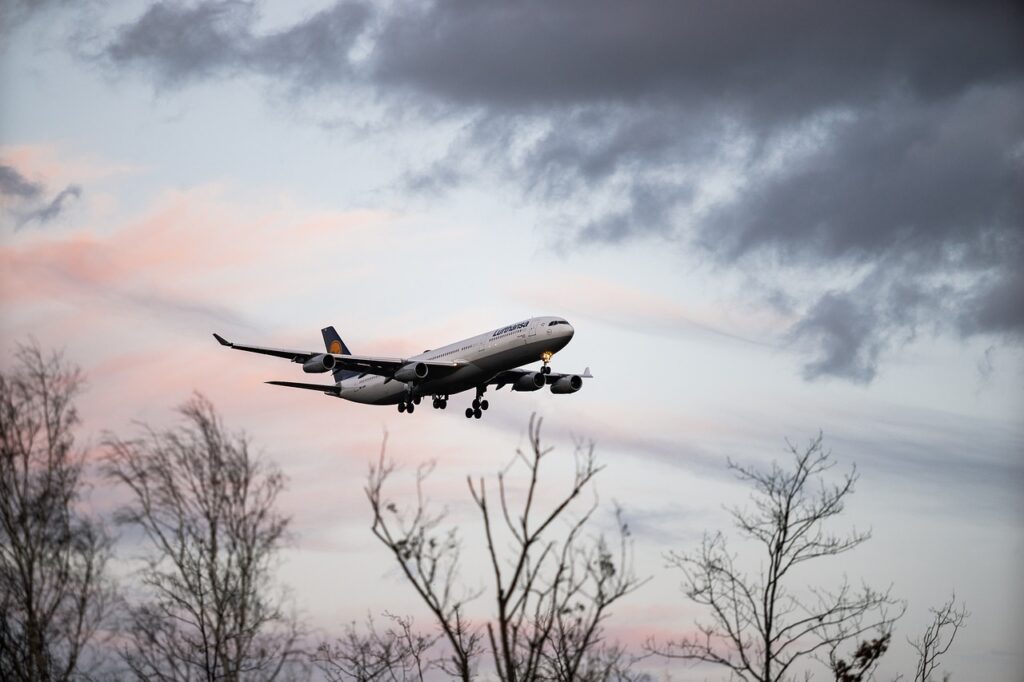

International travel is often shrouded in mystery and misconceptions, leading many potential travelers to believe that venturing abroad is a daunting task. However, this couldn’t be further from the truth. With the right mindset and knowledge, anyone can navigate foreign lands with ease. The notion that international travel is only for the wealthy or experienced is a myth that needs to be debunked. In reality, traveling abroad can be affordable and accessible to all, regardless of budget or travel history. By understanding the realities of international travel, individuals can break free from the constraints of misconception and explore the world with confidence. The world is full of diverse cultures, breathtaking landscapes, and unforgettable experiences waiting to be discovered. It’s time to rethink international travel and shed light on the truths that have been obscured by myth and misinformation.
📝 Table of Contents
What Is International Travel?
International travel refers to the act of moving from one country to another for purposes such as tourism, business, education, or family visits. It involves crossing international borders and navigating through different legal, cultural, and geographical environments. The process can seem complex due to the variety of requirements and regulations that must be met before and during travel. However, with proper planning and research, the challenges associated with international travel can be significantly minimized. One of the key aspects of international travel is understanding the visa requirements, health regulations, and customs rules of the destination country. Each country has its unique set of rules and regulations that travelers must adhere to, making it essential to stay informed and plan accordingly.
A common comparison made when discussing international travel is between the experiences of traveling within one’s own continent versus traveling to a completely different continent. The table below highlights some of the key differences and similarities between regional and intercontinental travel.
| Type of Travel | Distance | Cultural Differences | Language Barriers |
|---|---|---|---|
| Regional | Short to Medium | Moderate | Minimal |
| Intercontinental | Long | Significant | Possible |
| International within a Continent | Medium | Noticeable | Some |
| Domestic | Short | Minimal | None |
Understanding these differences is crucial for planning and enjoying international travel. Whether traveling for leisure or business, being prepared for the unique aspects of each path can make a significant difference in the overall experience.
Latest International Travel Technologies
1. Digital Travel Documents
Digital travel documents have revolutionized the way people travel internationally. With the introduction of e-visas, e-passports, and digital boarding passes, the process of traveling has become more streamlined and efficient. These digital solutions reduce the need for physical documents, making travel more convenient and less prone to issues like lost or stolen documents.
The adoption of digital travel documents is on the rise, with many countries investing in the development of secure and user-friendly digital systems. This shift towards digitalization is expected to continue, making international travel more accessible and hassle-free.
- Convenience: Digital documents can be easily stored and accessed on personal devices, reducing the risk of loss or theft.
- Efficiency: Digital processing and verification of travel documents speed up the travel process, from check-in to border control.
- Security: Digital documents can be encrypted and secured with advanced technologies, protecting traveler’s personal and sensitive information.
Plus Points:
2. Travel Apps
Travel apps have become indispensable tools for international travelers. These apps provide a wide range of services and information, from language translation and currency exchange to hotel booking and flight tracking. They offer real-time updates and assistance, helping travelers navigate unfamiliar territories with ease.
The diversity of travel apps caters to different needs and preferences, ensuring that there is an app for every type of traveler. Whether it’s finding the best local restaurants, understanding cultural norms, or getting emergency assistance, travel apps are designed to make international travel more enjoyable and stress-free.
- Personalization: Many travel apps offer personalized recommendations based on the traveler’s interests and itinerary.
- Accessibility: Travel apps can be accessed anywhere, at any time, providing constant support and guidance to travelers.
- Community: Some travel apps connect travelers with local communities or other travelers, fostering a sense of belonging and shared experience.
Plus Points:
3. Biometric Technologies
Biometric technologies, such as facial recognition and fingerprint scanning, are being increasingly used in international travel for security and identification purposes. These technologies aim to enhance the efficiency and accuracy of border control processes, reducing wait times and improving the overall travel experience.
The implementation of biometric technologies in airports and border crossings is part of a broader effort to modernize and secure international travel. By leveraging advanced biometric systems, authorities can better manage the flow of travelers and prevent potential security threats.
- Speed: Biometric technologies can process travelers quickly, minimizing wait times and streamlining the border control process.
- Accuracy: Biometric identification is highly accurate, reducing the risk of human error and improving security.
- Convenience: Once enrolled, travelers can enjoy a seamless and efficient passage through borders, without the need for physical documents or lengthy queues.
Plus Points:
4. Sustainable Travel Options
Sustainable travel options are gaining popularity as travelers become more conscious of their environmental footprint. From eco-friendly accommodations to carbon offsetting flights, the travel industry is responding to the demand for more sustainable travel choices.
Sustainable travel is not just about reducing environmental impact; it’s also about supporting local communities and preserving cultural heritage. By choosing sustainable options, travelers can contribute to the well-being of the destinations they visit and promote responsible tourism practices.
- Environmental Benefits: Sustainable travel options help reduce carbon emissions, waste, and other negative environmental impacts associated with travel.
- Cultural Preservation: Sustainable tourism supports local cultures and helps preserve historical sites and natural wonders for future generations.
- Community Support: By choosing sustainable options, travelers can contribute to the economic development of local communities and promote fair labor practices.
Plus Points:
5. Virtual Travel Experiences
Virtual travel experiences are redefining the way people explore and interact with destinations. Through virtual reality (VR) and augmented reality (AR) technologies, travelers can immerse themselves in virtual tours, explore historical sites, and experience different cultures without physically being there.
Virtual travel experiences offer a unique opportunity for people to discover new places and broaden their understanding of the world, even if they are not able to travel physically. These technologies also provide a platform for destinations to showcase their attractions and cultural heritage, attracting potential visitors and promoting tourism.
- Accessibility: Virtual travel experiences make it possible for anyone to explore destinations, regardless of physical limitations or financial constraints.
- Pre-Travel Planning: Virtual tours can help travelers plan their trips more effectively, choosing the places they want to visit and understanding what to expect.
- Education: Virtual experiences can be highly educational, providing detailed information about history, culture, and environment, enriching the traveler’s knowledge and appreciation of the destination.
Plus Points:
How This Affects Everyday Life
✔ Enhanced Travel Experiences Enhanced Travel Experiences
The integration of technology and sustainable practices in international travel is enhancing the overall travel experience. Travelers can now enjoy more efficient, personalized, and environmentally friendly journeys, which contribute to a positive and memorable experience. Whether through digital documents, travel apps, or sustainable travel options, the advancements in international travel are making it easier for people to explore the world.
✔ Increased Accessibility
International travel is becoming more accessible to people from all walks of life. The development of affordable travel options, user-friendly technologies, and inclusive tourism practices is breaking down barriers that once limited international travel to a select few. This increased accessibility is opening up new opportunities for cultural exchange, education, and personal growth.
✔ Improved Security
The use of biometric technologies and advanced security systems in international travel is significantly improving the safety and security of travelers. By leveraging these technologies, authorities can better manage borders, prevent criminal activities, and protect travelers from potential threats. This enhanced security environment contributes to a more peaceful and enjoyable travel experience.
✔ Cultural Exchange and Understanding
International travel facilitates cultural exchange and understanding between different nations and communities. By engaging with local cultures, trying new foods, and learning about history and traditions, travelers can broaden their perspectives and foster global understanding. This exchange is vital for building bridges between cultures and promoting peace and cooperation worldwide.
✔ Economic Benefits
International travel has significant economic benefits for both the travelers and the destinations they visit. Travelers contribute to the local economy through their expenditures on accommodations, food, and activities, while also supporting local businesses and communities. In return, travelers gain valuable experiences, knowledge, and memories that can last a lifetime.
✔ Personal Growth and Education
International travel offers a unique opportunity for personal growth and education. By immersing themselves in new environments, overcoming challenges, and learning about different cultures, travelers can develop new skills, gain confidence, and enhance their self-awareness. This personal growth can have a lasting impact on an individual’s life, influencing their career, relationships, and worldview.
| Destination | Travel Restrictions | Vaccination Requirements | Best Time to Visit |
|---|---|---|---|
| Europe | Varies by Country | No Specific Requirements | Summer and Autumn |
| Asia | Visa Requirements for Some Countries | Hepatitis A and Typhoid Recommended | Spring and Autumn |
| Africa | Visa and Health Certificate Requirements | Yellow Fever and Malaria Prophylaxis | Dry Season |
| South America | Visa Requirements for Some Countries | Hepatitis A and Typhoid Recommended | Spring and Summer |
Upcoming Trends
- Predicted Increase in Sustainable Tourism
- Advancements in Travel Technology
- Growth of Virtual and Augmented Reality Experiences
- Increased Focus on Traveler Wellness
- Evolution of Travel Documentation and Security
The demand for sustainable and eco-friendly travel options is expected to rise significantly in the coming years. As travelers become more environmentally conscious, the tourism industry will need to adapt by offering more sustainable practices and destinations. This trend will not only benefit the environment but also contribute to the preservation of cultural heritage and local communities.
Technological innovations will continue to shape the international travel landscape. From artificial intelligence to blockchain, these advancements will improve the efficiency, security, and personalization of travel experiences. Travelers can expect more streamlined processes, enhanced safety features, and tailored recommendations based on their preferences and behaviors.
Virtual and augmented reality technologies will play a more significant role in international travel, offering immersive experiences that allow travelers to explore destinations virtually before or instead of physical travel. This trend will expand the accessibility of international travel, enabling people to experience different cultures and environments without the need for physical presence.
The wellness of travelers will become a priority in the international travel industry. With the growing awareness of mental and physical health, travel companies will offer more wellness-focused services and amenities, such as meditation classes, healthy dining options, and fitness programs. This shift will acknowledge the importance of maintaining well-being during travel and provide travelers with the support they need to stay healthy and happy on the road.
The way travelers document and secure their identities and itineraries will evolve with the integration of more advanced technologies. Biometric identification, digital passports, and secure data storage solutions will become more prevalent, aiming to enhance security, convenience, and efficiency in international travel. These advancements will protect travelers’ personal information and simplify the travel process, from check-in to border control.
Final Thoughts
International travel is undergoing a significant transformation, driven by technological innovations, changing traveler behaviors, and the need for sustainability. As the world becomes more interconnected, the opportunities for cultural exchange, personal growth, and global understanding will continue to expand. By embracing these changes and adopting a more informed and responsible approach to travel, individuals can contribute to a brighter, more harmonious future for international travel and the world at large. The future of travel is not just about destinations; it’s about the journeys, the people, and the experiences that shape us. It’s time to rethink international travel and embark on a new era of exploration, discovery, and connection.
The world of international travel is complex and multifaceted, influenced by a myriad of factors from technology and economics to culture and environment. As travelers, it’s essential to stay informed, adapt to changes, and contribute positively to the places and communities we visit. By doing so, we can ensure that international travel remains a powerful tool for bridging gaps, fostering understanding, and enriching lives.
In the end, the true essence of international travel lies not in the distance we cover, but in the connections we make, the lessons we learn, and the memories we create along the way. As we look to the future of travel, it’s crucial to remember that every path, no matter how big or small, has the potential to transform us and the world around us.