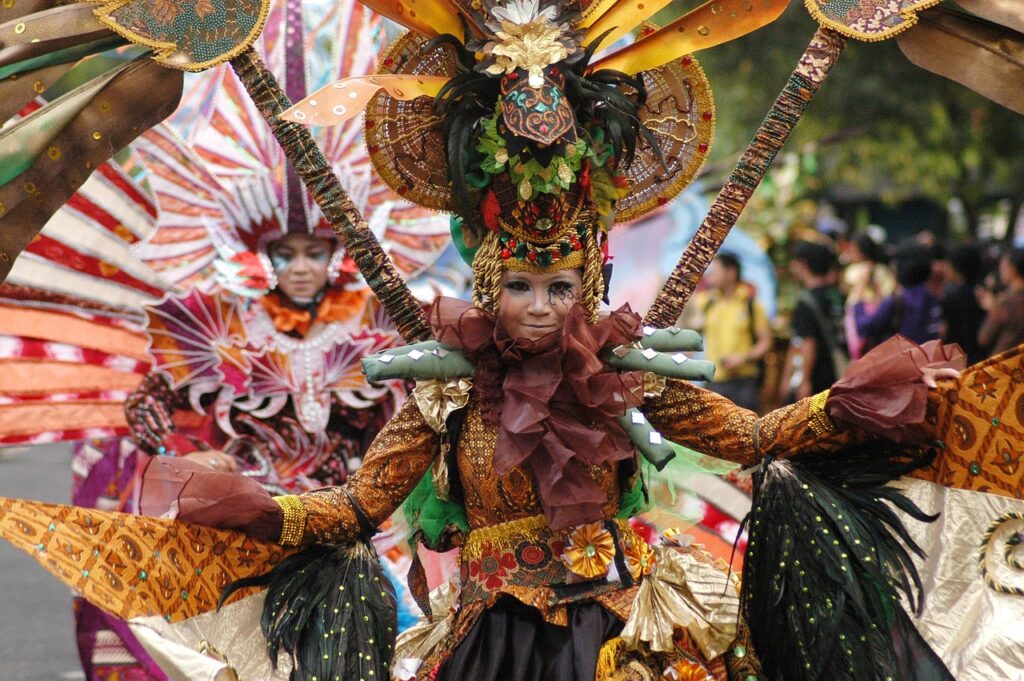

95% of companies believe that culture is crucial to their business, yet only 10% of organizations have a defined strategy for improving it. This disparity highlights the significance and challenges associated with cultivating a strong, positive culture within any organization or community.
Culture is deeply intertwined with the fabric of society, influencing how individuals perceive themselves, their place in the world, and their interactions with others. It is a powerful force that shapes identities, values, and behaviors, making it a cornerstone of human existence.
The importance of culture cannot be overstated, as it provides a sense of belonging, defines social norms, and guides ethical standards. However, navigating cultural nuances can be complex, especially in diverse and globalized environments.
The Basics of Culture
Culture refers to the collective customs, traditions, values, and social behaviors that are shared by a particular group or society. It encompasses various aspects, including language, art, literature, religion, and history, all of which contribute to the unique identity of a culture. Understanding the basics of culture is essential for fostering tolerance, cooperation, and peaceful coexistence among different cultural groups.
Latest Culture Technologies
1. Cultural Analytics
Cultural analytics involves the use of data and computational methods to analyze and understand cultural phenomena. This field combines insights from sociology, anthropology, and computer science to study cultural trends, behaviors, and values.
- Strengths:
- Provides quantitative insights into cultural dynamics
- Enables the prediction of cultural trends and behaviors
- Facilitates the development of targeted cultural interventions
- Drawbacks:
- May oversimplify complex cultural issues
- Requires large datasets and computational resources
- Raises ethical concerns regarding data privacy and cultural sensitivity
2. Virtual Reality Cultural Experiences
Virtual reality (VR) technology is being used to create immersive cultural experiences that allow individuals to explore and engage with different cultures in a simulated environment. This technology has the potential to promote cross-cultural understanding and empathy.
- Strengths:
- Provides an engaging and interactive way to learn about cultures
- Enables individuals to explore cultures that may be difficult to access in person
- Fosters empathy and understanding through immersive experiences
- Drawbacks:
- May lack the authenticity of real-world cultural experiences
- Requires access to VR technology and equipment
- Can be limited by the quality and accuracy of the cultural content
| Cultural Technology | Description | Applications |
|---|---|---|
| Cultural Analytics | Analysis of cultural data using computational methods | Market research, cultural trend prediction, policy development |
| Virtual Reality Cultural Experiences | Immersive cultural experiences using VR technology | Education, cultural tourism, cross-cultural training |
Real-World Benefits
✔ Improved Cross-Cultural Understanding
Fostering cross-cultural understanding is crucial for promoting peace, cooperation, and mutual respect among different cultural groups. By engaging with and learning about other cultures, individuals can broaden their perspectives and challenge their own cultural biases.
✔ Enhanced Cultural Diversity and Inclusion
Cultural diversity and inclusion are essential for creating vibrant and dynamic societies. By embracing and celebrating different cultures, communities can promote social cohesion, creativity, and innovation.
✔ Better Cultural Preservation and Promotion
Cultural preservation and promotion are vital for safeguarding the world’s cultural heritage. By supporting cultural initiatives and programs, individuals and organizations can help protect endangered cultures and promote cultural exchange.
✔ Increased Economic Benefits
Culture can have a significant impact on local and national economies. By promoting cultural tourism, supporting cultural industries, and investing in cultural infrastructure, communities can generate revenue and create jobs.
✔ Improved Mental Health and Wellbeing
Engaging with culture can have a positive impact on mental health and wellbeing. By participating in cultural activities, individuals can reduce stress, improve their mood, and enhance their overall quality of life.
✔ Enhanced Social Cohesion and Community Engagement
Culture can play a vital role in promoting social cohesion and community engagement. By supporting cultural events and initiatives, individuals and organizations can help build stronger, more connected communities.
The Road Ahead
- Cultural technologies will continue to evolve and improve, providing new opportunities for cultural engagement and exchange
- There will be a growing need for cultural competency and literacy in an increasingly globalized world
- Cultural preservation and promotion will become more critical as cultural heritage faces new challenges and threats
- Culture will play a more significant role in shaping economic development and social policy
- Virtual and augmented reality technologies will become more prevalent in cultural experiences and education
- Cultural analytics and data-driven approaches will become more essential for understanding and addressing cultural issues
Key Takeaways
Culture is a complex and multifaceted concept that plays a vital role in shaping human society and behavior. Understanding and engaging with culture is essential for promoting cross-cultural understanding, improving cultural diversity and inclusion, and fostering social cohesion and community engagement. By embracing cultural differences and promoting cultural exchange, individuals and organizations can help create a more harmonious and prosperous world.