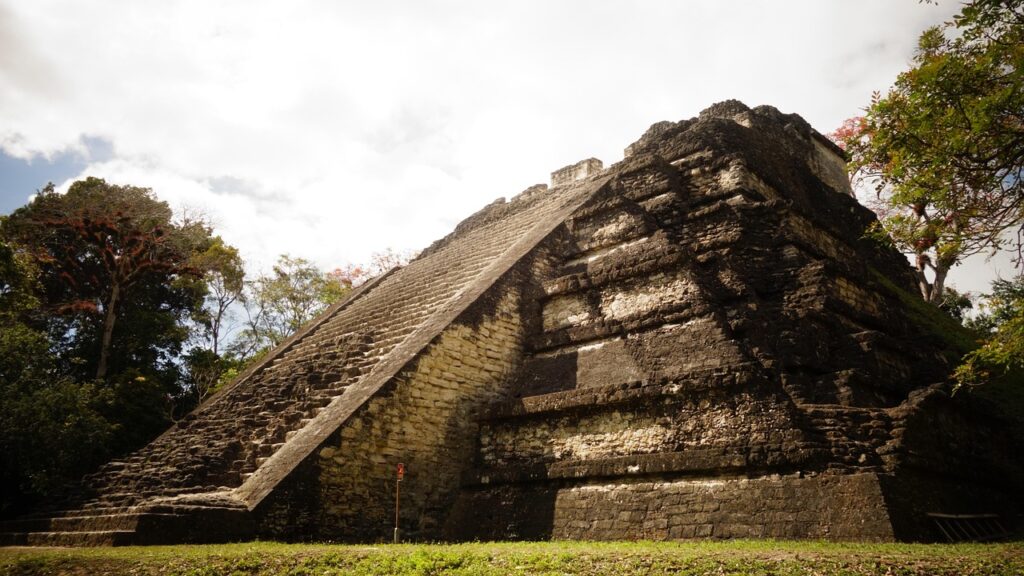

The ancient city of Petra in Jordan is a testament to the ingenuity and craftsmanship of the Nabataeans, who carved intricate structures into the sandstone cliffs over 2000 years ago. This magnificent city was once a thriving center of trade and commerce, attracting visitors from all over the ancient world. The intricate facades, monuments, and water conduits are a reflection of the advanced engineering skills of the Nabataeans. With a population of over 20,000 people, Petra was a significant urban center in its time. Today, it stands as a remarkable example of the architectural and cultural achievements of ancient civilizations. The site was abandoned in the 4th century AD and remained hidden for centuries, until its rediscovery in 1812 by the Swiss explorer Johann Ludwig Burckhardt.
📝 What's In This Article
What Is Ancient Civilizations?
Ancient civilizations refer to the complex societies that existed in the past, typically characterized by a high level of cultural, scientific, and architectural development. These civilizations have made significant contributions to the modern world, shaping the course of human history. The study of ancient civilizations provides valuable insights into the social, economic, and political structures of the past, as well as the cultural and scientific achievements of these societies. For example, the ancient Mesopotamians developed a system of writing known as cuneiform, which consisted of over 600 symbols and was used for both practical and literary purposes. The following table compares some of the major ancient civilizations:
| Civilization | Time Period | Notable Achievements | Legacy |
|---|---|---|---|
| Mesopotamia | 3500 – 500 BCE | Development of writing, creation of sophisticated irrigation systems | Influence on the development of law, governance, and architecture |
| Ancient Egypt | 3100 – 30 BCE | Construction of the Pyramids, development of hieroglyphics | Lasting impact on art, architecture, and medicine |
| Ancient Greece | 8th century – 146 CE | Development of democracy, philosophy, and theater | Foundation of Western philosophy, politics, and arts |
| Ancient Rome | 8th century BCE – 5th century CE | Development of law, governance, and engineering | Shaping of modern languages, law, and government |
The study of ancient civilizations is a fascinating field that offers insights into the complexities and achievements of human societies in the past. By examining the cultural, scientific, and architectural achievements of these civilizations, researchers can gain a deeper understanding of the evolution of human societies and the factors that have shaped the modern world.
Core Ancient Civilizations Approaches
1. Archaeological Excavations
Archaeological excavations are a crucial approach to understanding ancient civilizations, as they provide a window into the past by uncovering the material remains of ancient cultures. The excavation process typically involves careful planning, excavation, and analysis of the artifacts and structures found at the site. For example, the excavation of Pompeii and Herculaneum in Italy has provided valuable insights into life in ancient Roman towns.
- Key Benefits:
- Provides a direct link to the past, allowing researchers to study the material remains of ancient cultures.
- Offers a unique opportunity to reconstruct the daily lives of ancient people.
- Allows researchers to study the cultural, social, and economic context of ancient societies.
2. Historical Records
Historical records, such as texts, inscriptions, and other written documents, are another essential approach to understanding ancient civilizations. These records provide valuable information about the social, economic, and cultural context of ancient societies, as well as the events and individuals that shaped their history. For example, the works of ancient Greek historians such as Herodotus and Thucydides offer valuable insights into the history of ancient Greece.
- Key Benefits:
- Provides a detailed account of historical events and cultural practices.
- Offers a unique perspective on the social, economic, and cultural context of ancient societies.
- Allows researchers to study the development of writing systems and literary traditions.
3. Anthropological Studies
Anthropological studies are a vital approach to understanding ancient civilizations, as they provide insights into the social, cultural, and economic structures of ancient societies. By studying the cultural practices, social norms, and economic systems of ancient civilizations, researchers can gain a deeper understanding of the complexities and achievements of human societies in the past. For example, the study of ancient Mesopotamian societies has revealed a complex system of social hierarchy and economic organization.
- Key Benefits:
- Provides a nuanced understanding of the social and cultural context of ancient societies.
- Offers insights into the development of social hierarchies and economic systems.
- Allows researchers to study the cultural and symbolic practices of ancient societies.
4. Scientific Analyses
Scientific analyses, such as radiocarbon dating and other laboratory techniques, are a crucial approach to understanding ancient civilizations, as they provide a means of dating and analyzing the material remains of ancient cultures. These techniques can help researchers to reconstruct the chronology of ancient events and to study the environmental and cultural context of ancient societies. For example, the use of radiocarbon dating has helped to establish the chronology of ancient Egyptian dynasties.
- Key Benefits:
- Provides a precise method of dating ancient artifacts and events.
- Offers insights into the environmental and cultural context of ancient societies.
- Allows researchers to study the development of technology and material culture.
5. Comparative Studies
Comparative studies are a valuable approach to understanding ancient civilizations, as they provide a means of comparing and contrasting the cultural, social, and economic structures of different ancient societies. By comparing the achievements and complexities of different civilizations, researchers can gain a deeper understanding of the evolution of human societies and the factors that have shaped the modern world. For example, the comparison of ancient Mesopotamian and Egyptian societies has revealed significant differences in their social, economic, and cultural systems.
- Key Benefits:
- Provides a nuanced understanding of the similarities and differences between ancient civilizations.
- Offers insights into the development of cultural and social systems.
- Allows researchers to study the impact of environmental and cultural factors on the evolution of human societies.
Why This Matters to You
✔ Understanding Cultural Heritage
The study of ancient civilizations provides a unique perspective on the cultural heritage of modern societies, highlighting the contributions and achievements of ancient cultures to the modern world. By understanding the cultural practices, social norms, and economic systems of ancient civilizations, individuals can gain a deeper appreciation for the complexities and achievements of human societies in the past. This knowledge can also help to promote cross-cultural understanding and respect for the diversity of human experiences.
✔ Informing Modern Policy and Decision-Making Informing Modern Policy
The study of ancient civilizations can inform modern policy and decision-making by providing insights into the social, economic, and cultural context of ancient societies. By examining the successes and failures of ancient civilizations, policymakers can gain a deeper understanding of the factors that contribute to the development and decline of complex societies. This knowledge can help to inform policy decisions related to economic development, environmental sustainability, and social justice.
✔ Promoting Historical Preservation and Conservation
The study of ancient civilizations highlights the importance of preserving and conserving historical sites and artifacts for future generations. By understanding the cultural and historical significance of ancient civilizations, individuals can appreciate the need to protect and conserve these sites and artifacts, ensuring that they remain a valuable resource for research, education, and cultural enrichment.
✔ Enhancing Education and Critical Thinking
The study of ancient civilizations can enhance education and critical thinking by providing a unique perspective on the complexities and achievements of human societies in the past. By examining the cultural, social, and economic structures of ancient civilizations, students can develop critical thinking skills, such as analysis, evaluation, and problem-solving, which are essential for navigating the complexities of the modern world.
✔ Fostering Global Citizenship and Cooperation
The study of ancient civilizations can foster global citizenship and cooperation by promoting cross-cultural understanding and respect for the diversity of human experiences. By examining the achievements and complexities of ancient civilizations, individuals can gain a deeper appreciation for the shared human experiences and values that transcend cultural and national boundaries, highlighting the need for global cooperation and collaboration in addressing common challenges and promoting peace and prosperity.
✔ Inspiring Innovation and Creativity
The study of ancient civilizations can inspire innovation and creativity by providing a unique perspective on the technological, scientific, and artistic achievements of ancient cultures. By examining the innovations and discoveries of ancient civilizations, individuals can gain a deeper understanding of the factors that contribute to creativity and innovation, highlighting the need for continuous learning, experimentation, and exploration in driving progress and advancement in various fields.
Looking Ahead
- The development of new technologies, such as advanced imaging and simulation techniques, will continue to transform the field of ancient civilizations studies, providing new insights and perspectives on the past.
- The growth of international collaboration and cooperation will facilitate the sharing of knowledge, resources, and expertise, driving progress and innovation in the field of ancient civilizations studies.
- The expanding focus on the social and environmental contexts of ancient civilizations will provide new insights into the complex relationships between human societies and their environments, highlighting the need for sustainable and environmentally conscious practices in the present.
- The increasing accessibility of digital resources and online platforms will democratize access to knowledge and information about ancient civilizations, facilitating a broader and more diverse range of perspectives and engagements with the subject.
- The ongoing discovery of new archaeological sites and artifacts will continue to transform our understanding of ancient civilizations, providing new insights and perspectives on the past and its relevance to the present.
The use of advanced technologies, such as 3D scanning and virtual reality, will enable researchers to recreate ancient environments and artifacts in unprecedented detail, allowing for more nuanced and immersive understandings of ancient cultures. Additionally, the integration of big data and machine learning algorithms will facilitate the analysis of large datasets, enabling researchers to identify patterns and trends that were previously unknown.
The increasing recognition of the importance of cultural heritage and historical preservation will lead to greater investment in the protection and conservation of ancient sites and artifacts, ensuring that these valuable resources remain available for future generations. Furthermore, the development of new methodologies and approaches, such as community-based participatory research, will enable researchers to engage more effectively with local communities and stakeholders, promoting a more inclusive and equitable approach to the study of ancient civilizations.
The study of ancient civilizations will continue to inform modern policy and decision-making, providing valuable lessons and insights into the factors that contribute to the development and decline of complex societies. Moreover, the integration of ancient civilizations studies with other disciplines, such as environmental science and economics, will facilitate a more holistic understanding of the complex interactions between human societies and their environments, enabling policymakers to develop more effective and sustainable solutions to contemporary challenges.
The development of online courses, digital museums, and virtual exhibitions will enable people from around the world to engage with ancient civilizations in new and innovative ways, promoting a greater understanding and appreciation of cultural heritage and historical preservation. Additionally, the use of social media and other digital platforms will facilitate the sharing of knowledge and ideas, enabling researchers and enthusiasts to connect and collaborate more effectively, and promoting a more dynamic and interactive approach to the study of ancient civilizations.
The excavation of new sites, such as the recently discovered ancient city of Qalatga Darband in Iraq, will provide a unique window into the past, revealing new information about the cultural, social, and economic practices of ancient societies. Furthermore, the analysis of newly discovered artifacts, such as the ancient scrolls found in the Dead Sea, will enable researchers to gain a deeper understanding of the literary, artistic, and intellectual achievements of ancient civilizations, highlighting the significance of these discoveries for our understanding of human history and culture.
The following table highlights some of the major discoveries and advancements in the field of ancient civilizations studies in recent years:
| Discovery | Location | Date | Significance |
|---|---|---|---|
| Discovery of the ancient city of Qalatga Darband | Iraq | 2019 | Provides new insights into the cultural and social practices of ancient Mesopotamian societies |
| Excavation of the ancient city of Pompeii | Italy | 2018 | Provides a unique perspective on life in ancient Roman towns |
| Discovery of the ancient scrolls in the Dead Sea | Israel | 2017 | Provides new insights into the literary and intellectual achievements of ancient Jewish societies |
| Excavation of the ancient city of Angkor Wat | Cambodia | 2016 | Provides a unique perspective on the cultural and artistic achievements of ancient Khmer societies |
Closing Thoughts
The study of ancient civilizations is a rich and complex field that offers insights into the cultural, social, and economic practices of human societies in the past. By examining the achievements and complexities of ancient civilizations, researchers can gain a deeper understanding of the evolution of human societies and the factors that have shaped the modern world. The significance of ancient civilizations lies in their ability to inspire, educate, and inform modern society, highlighting the need for a nuanced and multifaceted approach to understanding the past and its relevance to the present. Ultimately, the study of ancient civilizations has the power to transform our understanding of ourselves and our place in the world, promoting a greater appreciation for the diversity and complexity of human experiences and cultures.