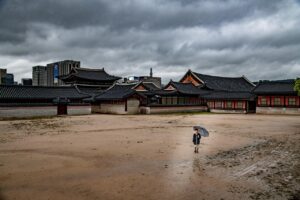

Imagine being in a place where the air is electric with anticipation, and the streets are filled with the sound of laughter and music. This is what it’s like to experience one of the many vibrant festivals that take place around the world. From the colorful carnivals of Rio and New Orleans to the sacred religious rituals of India and Japan, each celebration is a unique reflection of the culture and traditions of its host country. Whether it’s a time for rejoicing, reflection, or simply coming together with others, these events have the power to unite and inspire. As the world becomes increasingly interconnected, the opportunity to experience and learn from different festivals and celebrations has never been greater. Here’s the key thing to understand: these events are not just entertaining; they are also deeply meaningful and revealing of the human spirit. By exploring these world festivals and celebrations, one can gain a profound appreciation for the diversity and richness of global cultures.
📝 Table of Contents
Breaking Down World Festivals
World festivals and celebrations are as diverse as the cultures from which they originate. Most people miss the fact that behind each festival, there is a complex history, often intertwined with religious, social, and political factors. For instance, the Rio Carnival, known for its dazzling parades and street parties, has its roots in ancient pagan festivals. Similarly, the Hindu festival of Diwali, celebrated with lights and fireworks, signifies the triumph of light over darkness and good over evil. Understanding these contexts is crucial for appreciating the true significance of these events.
Here’s a comparison of some of the world’s most notable festivals, highlighting their unique characteristics and the cultural values they represent.
| Festival | Location | Description | Cultural Significance |
|---|---|---|---|
| Rio Carnival | Rio de Janeiro, Brazil | Parades, street parties, and music | Expression of Brazilian culture and joy |
| Diwali | India and other Hindu communities | Lighting of lamps, fireworks, and worship | Symbolizes the victory of light over darkness |
| Cherry Blossom Festival | Japan | Viewing of cherry blossoms, food, and drink | Appreciation of nature’s beauty and fleeting life |
| Mardi Gras | New Orleans, USA, and other locations | Parades, masquerade balls, and street parties | Pre-Lenten celebration of indulgence before fasting |
The diversity of these festivals not only reflects the creativity and spirituality of human societies but also serves as a reminder of the commonalities that bind us together across cultures. Most people are surprised by how much they can learn about different cultures by simply observing and participating in these celebrations.
Core Festival Approaches
1. Cultural Immersion
Cultural immersion is one of the most rewarding ways to experience world festivals and celebrations. This approach involves fully engaging with the local culture, traditions, and community. By living among the locals, even if only for a short time, one can gain a deeper understanding of the festival’s significance and the values it represents. For example, attending a traditional tea ceremony during the Cherry Blossom Festival in Japan can provide insights into the respect for nature and the fleeting nature of life that are central to Japanese culture.
Here are some strengths of this approach:
- Authentic Experience: Participants get to experience the festival in its most authentic form, as part of the local community.
- Cultural Insight: Immersion provides unparalleled insight into the cultural context and significance of the festival.
- Personal Connection: It allows for the formation of personal connections with the local people, enhancing the overall experience.
2. Historical Research
Historical research is another vital approach to understanding world festivals and celebrations. By studying the origins, evolution, and historical context of a festival, one can uncover the complex layers of meaning and symbolism that underpin these events. For instance, understanding the historical roots of the Rio Carnival in ancient pagan festivals and later influences from African and European cultures can enrich one’s appreciation of the event.
The strengths of this approach include:
- Depth of Knowledge: Historical research provides a deep understanding of the festival’s origins and development over time.
- Contextual Understanding: It offers a nuanced view of the social, political, and religious factors that have shaped the festival.
- Appreciation of Evolution: One can appreciate how festivals evolve, reflecting changes in society and culture.
3. Participation and Engagement
Participation and active engagement are key to fully experiencing the vibrancy of world festivals and celebrations. Whether it’s dancing in the streets during Carnival, lighting lamps for Diwali, or simply observing the serene beauty of the Cherry Blossom Festival, participation allows individuals to become an integral part of the celebration. This approach fosters a sense of belonging and community, even among strangers from different parts of the world.
The strengths of participation and engagement are:
- Sense of Belonging: Participants feel a strong sense of belonging and connection with others in the community.
- Emotional Connection: Direct engagement with the festival can create powerful emotional connections and memories.
- Cross-Cultural Exchange: It facilitates cross-cultural exchange and understanding, breaking down barriers between different communities.
4. Academic and Ethnographic Studies
Academic and ethnographic studies offer a systematic and analytical approach to understanding world festivals and celebrations. These studies involve detailed observations, interviews, and sometimes, long-term fieldwork within the communities that host these festivals. They provide valuable insights into the social dynamics, cultural values, and economic impacts of festivals, making them an indispensable resource for those seeking a comprehensive understanding.
Some strengths of this approach are:
- Systematic Analysis: Academic studies offer a structured and systematic analysis of festivals, covering various aspects from sociology to economics.
- Objective Insights: They provide objective, unbiased insights into the festivals, based on empirical data and research methods.
- Contribution to Knowledge: These studies contribute to the broader body of knowledge on cultural anthropology, sociology, and related fields.
5. Digital Exploration
In today’s digital age, exploring world festivals and celebrations through online platforms, social media, and virtual events is becoming increasingly popular. This approach allows people to experience festivals remotely, accessing a wealth of information, images, and videos that capture the essence of these events. Digital exploration also enables the creation of global communities around shared interests in specific festivals, facilitating international dialogue and exchange.
The strengths of digital exploration include:
- Accessibility: It makes festivals accessible to a global audience, transcending geographical limitations.
- Information Richness: The internet offers a vast amount of information on festivals, including their history, significance, and how to participate.
- Community Building: Digital platforms can build and connect communities of individuals interested in the same festivals, fostering a sense of global connection.
Why This Matters to You
✔ Cultural Enrichment
Exploring world festivals and celebrations can significantly enrich one’s cultural understanding and appreciation. By engaging with different cultures, individuals can broaden their perspectives, challenging their own beliefs and values. This enrichment can lead to personal growth and a more nuanced view of the world.
✔ Community Building
Participating in festivals can help build strong, diverse communities. Whether local or global, these communities are founded on shared experiences and interests, promoting unity and cooperation among their members. The bonds formed during festivals can last a lifetime, providing support and connection.
✔ Educational Opportunities
Festivals offer unique educational opportunities, providing firsthand experiences of different cultures, histories, and traditions. They can serve as living classrooms, where one can learn about the world in a engaging and memorable way. This experiential learning can complement formal education, offering a holistic understanding of global cultures. Festivals offer unique
✔ Economic Benefits
World festivals and celebrations can have significant economic benefits, both for the local communities that host them and for the global tourism industry. They attract visitors from around the world, generating revenue and creating jobs. This economic impact can contribute to the development and sustainability of local economies.
✔ Personal Growth
Engaging with world festivals can lead to profound personal growth. The experiences and challenges encountered during these events can foster resilience, adaptability, and self-awareness. By stepping out of one’s comfort zone and into the vibrant world of festivals, individuals can discover new aspects of themselves and their capabilities.
✔ Global Understanding
Finally, exploring world festivals and celebrations contributes to a deeper global understanding and peace. By embracing and respecting the diversity of human experience, as expressed through these events, we can bridge cultural divides and promote international harmony. This understanding is crucial in today’s interconnected world, where cooperation and mutual respect are essential for addressing global challenges.
What to Expect Next
- The Rise of Virtual Festivals
- Increased Focus on Sustainability
- Greater Cultural Exchange and Collaboration
- Advanced Technology Integration
- Evolving Festival Formats
The future of world festivals and celebrations will likely see an increase in virtual events, allowing for global participation and reducing the environmental impact of large gatherings. This shift will also enable the creation of new, innovative festival experiences that blend the physical and digital worlds.
As technology advances, the line between physical and virtual festivals will continue to blur, offering unprecedented opportunities for cultural exchange and community building.
There will be a growing emphasis on sustainability in the organization and execution of festivals. This includes reducing waste, using renewable energy sources, and promoting eco-friendly practices among attendees. Sustainable festivals will not only reduce their environmental footprint but also serve as models for sustainable living.
This shift towards sustainability will require creative solutions and collaborations between festival organizers, local communities, and environmental experts, leading to more responsible and conscious celebrations.
The future will witness greater cultural exchange and collaboration between different festivals and communities. This could involve joint events, cultural workshops, and artist exchanges, fostering a richer and more diverse global cultural scene.
Such collaborations will break down cultural barriers, promote cross-cultural understanding, and result in the creation of new, innovative festival formats that reflect the complexity and beauty of global cultures.
Advances in technology, including virtual and augmented reality, will be increasingly integrated into festival experiences, offering attendees new and immersive ways to engage with performances, art, and cultural exhibits. technology including virtual
This integration of technology will enhance the festival experience, making it more interactive, accessible, and memorable, while also opening up new avenues for artistic expression and innovation.
The nature and format of festivals will continue to evolve, reflecting changes in societal values, technological capabilities, and environmental concerns. This evolution could lead to the emergence of new types of festivals that prioritize sustainability, digital interaction, and community engagement.
These evolving festival formats will not only adapt to the needs and preferences of contemporary audiences but also play a crucial role in shaping cultural trends, social movements, and community development in the future.
| Festival Type | Characteristics | Examples | Impact |
|---|---|---|---|
| Cultural Festivals | Celebration of specific cultures | Diwali, Chinese New Year | Promotes cultural awareness and exchange |
| Music Festivals | Focus on music performances | Coachella, Tomorrowland | Supports music industry, boosts local economy |
| Food Festivals | Highlighting local and international cuisine | Taste of Chicago, Foodex Japan | Encourages culinary innovation, supports food industry |
| Sustainable Festivals | Emphasis on environmental sustainability | Glastonbury Festival, Burning Man |
One Last Thing
The world of festivals and celebrations is a kaleidoscope of colors, sounds, and experiences, reflecting the incredible diversity and creativity of human culture. By exploring, participating in, and learning from these events, individuals can gain a profound appreciation for the richness of global traditions and the values that unite us. Here’s the key thing to understand: the true beauty of world festivals lies not just in their spectacle but in the connections they foster and the lessons they teach about community, culture, and the human spirit. As one delves into the vibrant world of festivals, they will discover that these celebrations are not just events but gateways to understanding, growth, and global harmony.
Most people miss the simple fact that the joy and beauty of festivals are accessible to everyone, regardless of their background or location. With an open heart and mind, anyone can experience the magic of world festivals and celebrations, finding in them a sense of belonging to a larger, global community.
In the end, the exploration of world festivals and celebrations is a path of discovery, not just of other cultures but of oneself. It’s a path that winds through the streets of Rio, the temples of India, and the gardens of Japan, leading to a deeper understanding of what it means to be human and to be part of a vibrant, global mix of traditions and experiences.