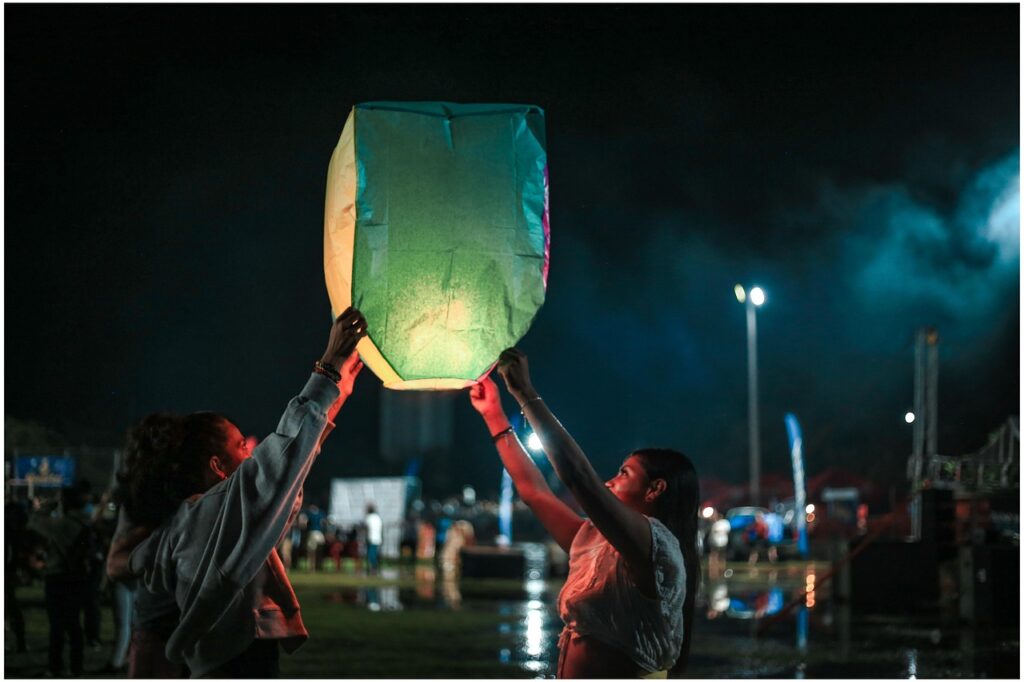

Imagine stepping into a world where every day is a celebration, where cultures blend in a vibrant mix of traditions, music, and dance. From the Rio Carnival to the Tomatina festival in Spain, and from the Holi festival of colors in India to the Lantern Festival in China, each event is a unique reflection of the community that hosts it. But have you ever stopped to consider the significance behind these festivals, how they bring people together, and the roles they play in preserving cultural heritage? With the rise of globalization, these local celebrations have become more accessible than ever, offering a window into the diverse traditions and customs of the world. Here’s the key thing to understand: these festivals are more than just entertainment; they are a testament to human creativity, resilience, and the desire for connection. As we explore the world of festivals and celebrations, it becomes clear that they are not just events but living, breathing expressions of humanity.
📝 Quick Navigation
The Basics of World Festivals and Celebrations
Festivals and celebrations are an integral part of human culture, serving as moments of communal joy, spiritual reflection, and cultural expression. They can be religious, seasonal, or simply for the joy of celebration. Most people miss this, but the significance of these events lies not just in their spectacle but in the values and traditions they uphold. For instance, the Day of the Dead in Mexico is a celebration that honors the deceased, showcasing the complex and rich cultural heritage of the country. Understanding the context and history behind each festival provides a deeper appreciation for the diversity of human experience.
Here’s the key thing to understand: the diversity of festivals around the world is a reflection of the incredible variety of human cultures. From the cherry blossom festivals in Japan to the Carnaval in Brazil, each celebration has its unique flavor and significance. The comparison below highlights just a few of the many festivals celebrated globally, illustrating their diversity and the themes they embody.
| Festival | Location | Theme | Significance |
|---|---|---|---|
| Rio Carnival | Rio de Janeiro, Brazil | Music, Dance, and Costume | Pre-Lenten celebration |
| Holi | India | Colors and Water | Arrival of Spring and Victory of Good over Evil |
| Tomatina | Buñol, Spain | Tomato Fight | Fun and Recreational |
| Lantern Festival | China | Lanterns and Fireworks | Marking the Final Day of Chinese New Year Celebrations |
Leading Festival Solutions
1. Cultural Exchange Programs
Cultural exchange programs have been instrumental in promoting global understanding and appreciation of different festivals. These programs allow individuals from diverse backgrounds to participate in and learn about various celebrations firsthand. The detail in these experiences is what makes them so enriching, from learning traditional dances to understanding the historical context of each festival. For example, programs like the Fulbright Scholarship offer opportunities for cultural immersion, enabling participants to look at the intricacies of foreign festivals and share their own cultural practices.
- Enhanced cultural awareness and understanding
- Opportunities for personal growth and networking
- Direct participation in global festivals, leading to memorable experiences
Plus Points:
2. Digital Platforms for Festival Promotion
Digital platforms have revolutionized the way festivals are promoted and experienced. Social media, live streaming, and dedicated festival websites have made it possible for a global audience to engage with local celebrations. This not only increases the visibility of smaller festivals but also provides a platform for cultural preservation and exchange. For instance, platforms like YouTube and Facebook offer live streaming services, allowing viewers worldwide to participate in festivals remotely.
- Global reach and increased festival visibility
- Accessibility for those who cannot attend in person
- Community building through online engagement and discussion forums
Plus Points:
3. Sustainable Festival Practices
As festivals grow in size and popularity, so does their environmental impact. The shift towards sustainable festival practices is crucial for minimizing waste, reducing carbon footprints, and promoting eco-friendly celebrations. Festivals like Glastonbury have implemented measures such as composting toilets, solar-powered stages, and a ban on single-use plastics. Most people miss this, but adopting sustainable practices not only helps the environment but also enhances the festival experience by promoting a sense of community responsibility.
- Reduced environmental impact through sustainable practices
- Promotion of eco-awareness among festival attendees
- Enhanced festival experience through community involvement in sustainability efforts
Plus Points:
4. Festival Tourism Initiatives
Festival tourism has become a significant sector, with many travelers planning their trips around specific celebrations. Initiatives that support festival tourism, such as guided tours and cultural workshops, can provide visitors with a deeper understanding of local customs and traditions. For example, the city of New Orleans offers guided tours and workshops during Mardi Gras, allowing visitors to engage more meaningfully with the festival. Here’s the key thing to understand: these initiatives not only support local economies but also foster cross-cultural understanding.
- Economic benefits for local communities through tourism
- Deeper cultural immersion for festival attendees
- Promotion of festivals as tourist attractions, enhancing their global appeal
Plus Points:
5. Educational Programs on Festival History and Significance
Educational programs focused on the history and significance of festivals play a vital role in preserving cultural heritage. These programs, offered in schools and through community initiatives, help in raising awareness about the importance of festivals and their contribution to societal cohesion. The detail in these educational efforts is crucial, as they provide a comprehensive understanding of the festivals, from their origins to their contemporary practices.
- Preservation of cultural knowledge and traditions
- Enhanced appreciation for festival diversity and significance
- Development of community programs that promote cultural exchange and understanding
Plus Points:
Why This Matters to You
✔ Cultural Enrichment
Engaging with festivals from around the world offers a unique opportunity for cultural enrichment. By participating in or learning about these celebrations, individuals can broaden their understanding of global cultures, fostering a more empathetic and interconnected world. This cultural enrichment is not just about attending festivals but about immersing oneself in the traditions and values they represent.
✔ Community Building Community Building
Festivals have the power to bring communities together, creating shared experiences that transcend cultural, social, and economic boundaries. Whether attending a local festival or a global celebration, the sense of community and belonging that festivals foster is invaluable. Here’s the key thing to understand: this community building is essential for social cohesion and mutual respect.
✔ Personal Growth
Participating in festivals, especially those from different cultures, can be a transformative experience. It offers individuals the chance to step out of their comfort zones, challenge their perceptions, and grow both personally and professionally. The personal growth derived from such experiences can be profound, leading to a more open-minded and resilient individual.
✔ Economic Benefits
Festivals can have a significant economic impact on the communities that host them. From tourism to local business support, the financial benefits of festivals can be substantial, contributing to the economic vitality of the area. Most people miss this, but the economic benefits are just one aspect of the broader positive impact that festivals have on their host communities.
✔ Preservation of Heritage
Festivals play a crucial role in the preservation of cultural heritage. By continuing traditional practices and celebrations, communities can ensure that their history and customs are passed down to future generations. This preservation is vital for maintaining cultural diversity and the unique identities of communities worldwide.
✔ Global Understanding
Finally, engaging with festivals from around the world promotes global understanding. In an increasingly interconnected world, the ability to appreciate and respect different cultures is essential. Festivals offer a platform for this cultural exchange, fostering a more harmonious and cooperative global community.
What Researchers Are Working On
- Prediction of Festival Trends
- Impact of Festivals on Local Economies
- Cultural Preservation Through Festivals
- Technology Integration in Festivals
- Sustainability in Festival Management
Researchers are working on predicting future festival trends, from the rise of sustainable festivals to the integration of technology in festival experiences. This predictive work aims to support festival organizers in planning and adapting to changing audience preferences and environmental considerations. Understanding these trends is crucial for the long-term success and relevance of festivals.
Studies are being conducted to measure the economic impact of festivals on local communities, including the effects on employment, tourism, and local business revenue. This research helps in quantifying the benefits of festivals, providing valuable data for policymakers and festival organizers. The economic impact of festivals is just one facet of their broader influence on communities.
Researchers are exploring the role of festivals in preserving cultural heritage, focusing on how traditional practices and customs are maintained and passed down through generations. This work highlights the significance of festivals in safeguarding cultural diversity. The preservation of cultural heritage through festivals is a complex process, involving community engagement, education, and the continuation of traditional practices.
The integration of technology in festivals is another area of research, looking into how digital technologies can enhance festival experiences, from virtual reality performances to mobile apps for festival navigation. This research aims to identify best practices for technology integration that can elevate the festival experience without detracting from its cultural essence. The challenge is to balance technological innovation with the preservation of traditional festival elements.
Finally, researchers are working on strategies for sustainable festival management, including waste reduction, energy efficiency, and the use of eco-friendly materials. This work is crucial for minimizing the environmental footprint of festivals and ensuring their long-term viability. Sustainable practices are not just a moral imperative but also an economic necessity for the future of festivals.
| Festival | Attendance | Economic Impact | Sustainability Initiatives |
|---|---|---|---|
| Coachella | 125,000 per weekend | $114 million | Recycling programs, carpool incentives |
| Glastonbury | 203,000 | £73 million | Composting toilets, solar-powered stages |
| Tomatina | 20,000 | €300,000 | Eco-friendly tomato disposal, water conservation |
| Rio Carnival | 2 million per day | $1 billion | Energy-efficient lighting, recycling programs |
The Big Picture
Festivals and celebrations are more than just events; they are vibrant expressions of human culture and creativity. They bring people together, foster community spirit, and provide a platform for cultural exchange and preservation. As the world becomes increasingly interconnected, the significance of festivals in promoting global understanding and respect cannot be overstated. Here’s the key thing to understand: the future of festivals is not just about spectacle but about sustainability, cultural preservation, and community building. By embracing these values, festivals can continue to thrive, enriching the lives of those who participate in them and contributing to a more harmonious global community.
The diversity and richness of world festivals and celebrations are a testament to human creativity and the desire for connection. Whether through cultural exchange programs, digital platforms, or sustainable practices, the impact of festivals extends far beyond the events themselves, influencing local economies, preserving cultural heritage, and fostering global understanding.
In the end, the beauty of festivals lies not just in their vibrancy and joy but in their ability to inspire, to educate, and to bring about positive change in the world. As we look to the future, it is this potential that makes festivals so important, not just as celebrations but as catalysts for a more compassionate, sustainable, and interconnected world.