
Most people believe that sustainable living is about making drastic changes to their daily habits, which can be overwhelming and discouraging. However, the reality is that small, incremental changes can have a significant impact when combined with a broader understanding of what sustainable living entails. The misconception that sustainability is solely about environmentalism also overlooks its potential to improve human health and economic stability. As the world continues to grapple with the challenges of climate change, environmental degradation, and social inequality, the importance of sustainable living has never been more pressing.
What Is Sustainable Living?
Sustainable living refers to the practice of engaging in daily habits and activities that minimize harm to the environment, conserve natural resources, and promote social responsibility. It involves adopting lifestyles that reduce the use of non-renewable resources, decrease waste production, and protect biodiversity. By embracing sustainable living principles, individuals can contribute to creating a healthier, more equitable world for current and future generations.
Core Sustainable Living Approaches
1. Renewable Energy
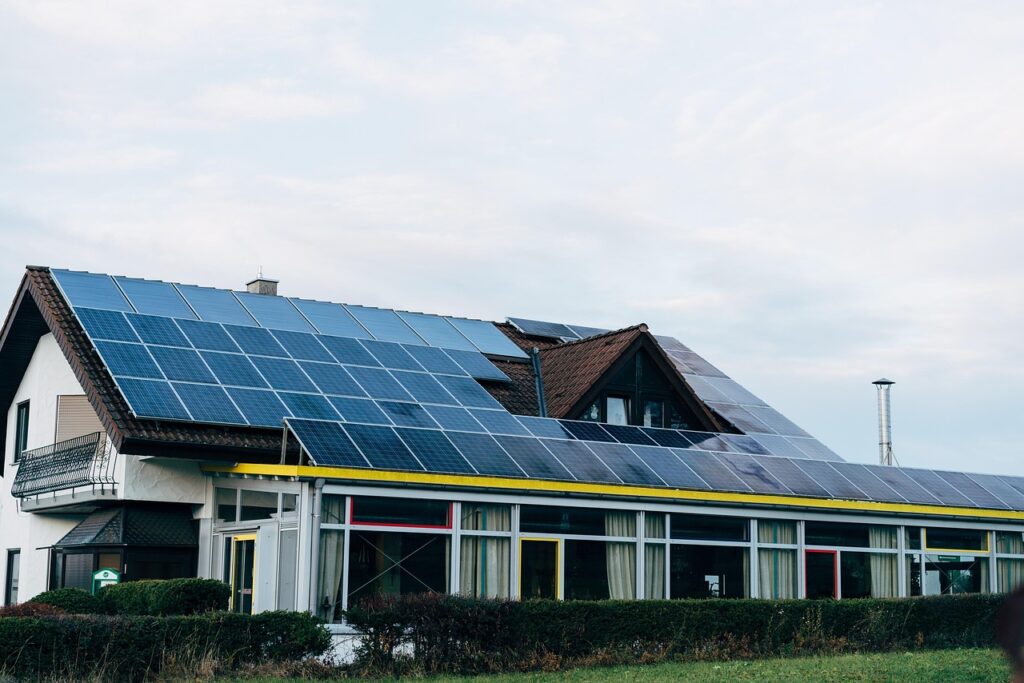
Transitioning to renewable energy sources is a crucial step towards sustainable living. Renewable energy, such as solar and wind power, reduces dependence on fossil fuels and lowers greenhouse gas emissions. This approach not only helps mitigate climate change but also creates jobs and stimulates local economies.
- What You Gain:
- Reduced carbon footprint
- Lower energy costs
- Increased energy independence
- Current Limitations:
- High upfront costs for installation
- Intermittent energy supply
- Land requirements for large-scale projects
2. Sustainable Agriculture
Sustainable agriculture focuses on producing food in a way that maintains soil health, conserves water, and promotes biodiversity. This approach reduces the environmental impact of farming, supports local food systems, and ensures fair labor practices.
- What You Gain:
- Healthier and more nutritious food
- Support for local economies
- Conservation of natural resources
- Current Limitations:
- Higher production costs
- Limited availability of sustainable products
- Complexity of implementing sustainable practices
| Sustainable Practice | Environmental Benefit | Social Benefit |
|---|---|---|
| Renewable Energy | Reduced greenhouse gas emissions | Job creation and energy independence |
| Sustainable Agriculture | Soil conservation and biodiversity promotion | Support for local economies and fair labor practices |
| Reducing Waste | Conservation of natural resources and reduction of pollution | Improved public health and community well-being |
Real-World Benefits
✔ Improved Air Quality
By reducing reliance on fossil fuels and adopting renewable energy sources, individuals can contribute to cleaner air and better public health.
✔ Increased Food Security
Sustainable agriculture practices ensure that food production is environmentally sustainable, socially just, and economically viable, leading to more reliable access to nutritious food.
✔ Enhanced Biodiversity
Conservation efforts and sustainable land use practices help preserve ecosystems, protecting the natural habitats of diverse plant and animal species.
✔ Economic Growth
Sustainable living can stimulate local economies, create jobs, and attract investments in renewable energy and sustainable technologies.
✔ Improved Human Health
By reducing exposure to environmental pollutants and promoting access to healthy food, sustainable living can lead to better physical and mental health outcomes.
✔ Social Justice
Sustainable living principles emphasize fairness, equity, and human rights, contributing to more just and equitable societies.
How This Will Evolve
- Increased adoption of renewable energy technologies
- Development of more efficient sustainable agriculture practices
- Growing demand for sustainable products and services
- Expansion of circular economy models and sharing economies
- Integration of sustainable living education into school curricula
- Policies and regulations supporting sustainable development
The Big Picture
Sustainable living is not just an individual choice but a collective responsibility that requires the participation of governments, businesses, and civil society. By working together and embracing sustainable living principles, humanity can create a more equitable, healthy, and thriving world for all. The path to sustainability will be marked by challenges, but with persistence, innovation, and cooperation, a brighter future is possible.