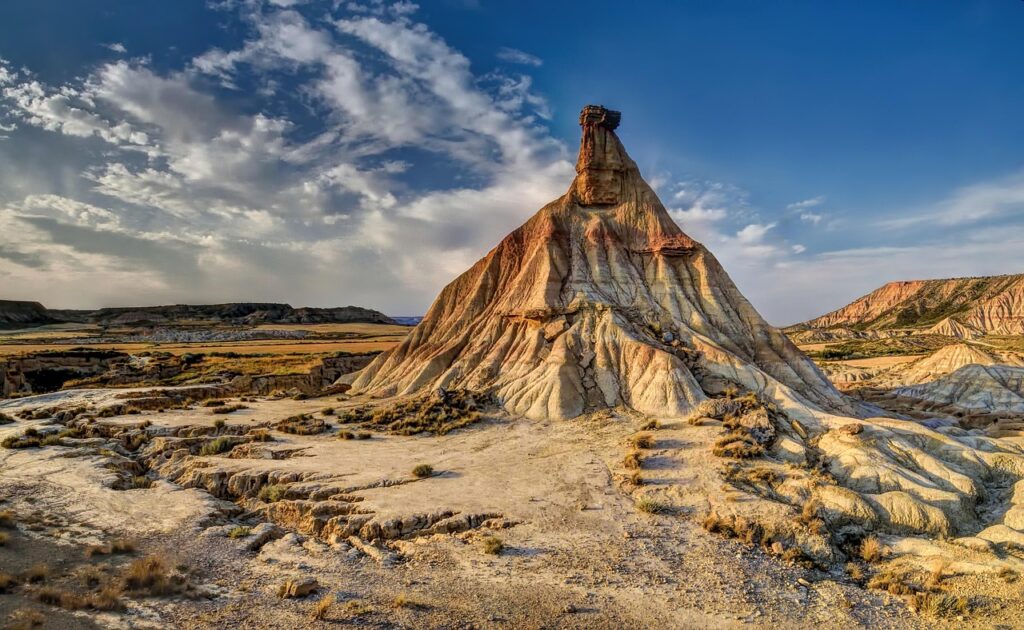

Adventure travel has become increasingly popular over the past decade, with over 40% of travelers seeking new and exciting experiences — also known as (experiential travel) — that allow them to engage in outdoor activities and explore unfamiliar cultures. Choosing the right approach to adventure travel matters because it can significantly impact the overall experience and personal growth. With so many options available, it can be difficult to decide which type of adventure travel is best suited for individual preferences and goals. Moreover, the right choice can lead to a life-changing experience, while the wrong one may result in disappointment and frustration. Therefore, it is crucial to understand the different types of adventure travel and their characteristics. The abundance of choices can be overwhelming, but by breaking down the options and evaluating key metrics, travelers can make informed decisions and set themselves up for success.
📝 What You'll Learn
Defining Adventure Travel
Adventure travel refers to a type of travel that involves engaging in outdoor activities, such as (hiking — walking in nature for pleasure) or (rock climbing — ascending rock formations using specialized equipment), and exploring unfamiliar cultures and environments. This type of travel often requires a certain level of physical fitness and mental toughness, as well as a willingness to step out of one’s comfort zone and take on new challenges. Adventure travel can take many forms, including (expedition travel — traveling to remote areas for exploration and discovery), (ecotourism — responsible travel to natural areas to conserve the environment), and (cultural tourism — traveling to experience and learn about different cultures). To evaluate the different types of adventure travel, it is essential to consider key metrics such as cost, duration, and level of difficulty.
The following table provides an overview of some common types of adventure travel and their key characteristics:
| Type of Adventure Travel | Duration | Cost | Level of Difficulty |
|---|---|---|---|
| Hiking | 1-7 days | $500-$2,000 | Easy to challenging |
| Rock Climbing | 1-14 days | $1,000-$5,000 | Challenging to extremely challenging |
| Expedition Travel | 7-30 days | $2,000-$10,000 | Challenging to extremely challenging |
| Cultural Tourism | 3-14 days | $1,000-$5,000 | Easy to moderate |
Latest Adventure Travel Technologies
Option 1: Hiking with GPS Devices
Hiking with (GPS devices — global positioning system devices that provide location information) has become increasingly popular in recent years, as it allows travelers to navigate through unfamiliar territories with ease and accuracy. This type of adventure travel is ideal for those who enjoy (backpacking — hiking and camping in the wilderness) and are looking for a challenging yet rewarding experience.
- Advantages:
- Improved navigation and safety
- Increased accessibility to remote areas
- Enhanced overall hiking experience
- Hurdles to Overcome:
- High cost of GPS devices and equipment
- Limited battery life and signal reception in remote areas
Best for: experienced hikers and backpackers who want to explore remote areas with ease and accuracy.
Option 2: Rock Climbing with Smart Belay Devices
Rock climbing with (smart belay devices — belay devices that use sensors and algorithms to improve safety and efficiency) is a relatively new and innovative approach to adventure travel. This type of adventure travel is ideal for those who enjoy (bouldering — short rock climbs that do not require ropes) and are looking for a physically and mentally challenging experience.
- Advantages:
- Improved safety and reduced risk of accidents
- Increased efficiency and speed of climbing
- Enhanced overall climbing experience
- Hurdles to Overcome:
- High cost of smart belay devices and equipment
- Limited availability and compatibility with different types of climbing
Best for: experienced rock climbers who want to improve their safety and efficiency.
Option 3: Expedition Travel with Drones
Expedition travel with (drones — unmanned aerial vehicles that can capture images and videos) has become increasingly popular in recent years, as it allows travelers to capture stunning footage and images of their adventures. This type of adventure travel is ideal for those who enjoy (photography — taking pictures for artistic or documentary purposes) and are looking for a unique and exciting experience.
- Advantages:
- Improved ability to capture stunning footage and images
- Increased accessibility to remote and hard-to-reach areas
- Enhanced overall expedition experience
- Hurdles to Overcome:
- High cost of drones and equipment
- Limited battery life and signal reception in remote areas
Best for: experienced photographers and filmmakers who want to capture stunning footage and images of their adventures.
Option 4: Cultural Tourism with Virtual Reality
Cultural tourism with (virtual reality — a computer-generated simulation of a three-dimensional environment) has become increasingly popular in recent years, as it allows travelers to experience and learn about different cultures in a unique and immersive way. This type of adventure travel is ideal for those who enjoy (learning — acquiring knowledge or skills) and are looking for a culturally enriching experience.
- Advantages:
- Improved ability to learn about and experience different cultures
- Increased accessibility to cultural attractions and events
- Enhanced overall cultural tourism experience
- Hurdles to Overcome:
- High cost of virtual reality equipment and experiences
- Limited availability and compatibility with different types of cultural attractions
Best for: cultural enthusiasts who want to experience and learn about different cultures in a unique and immersive way.
Option 5: Ecotourism with Sustainable Tourism Practices
Ecotourism with (sustainable tourism practices — tourism practices that minimize the negative impact on the environment) has become increasingly popular in recent years, as it allows travelers to explore and experience natural environments while minimizing their impact on the environment. This type of adventure travel is ideal for those who enjoy (conservation — preserving and protecting the environment) and are looking for a responsible and sustainable travel experience.
- Advantages:
- Improved ability to minimize the negative impact on the environment
- Increased accessibility to natural environments and attractions
- Enhanced overall ecotourism experience
- Hurdles to Overcome:
- High cost of sustainable tourism practices and equipment
- Limited availability and compatibility with different types of ecotourism activities
Best for: environmentally conscious travelers who want to explore and experience natural environments while minimizing their impact on the environment.
| Option | Best For | Difficulty | Cost | Speed |
|---|---|---|---|---|
| Hiking with GPS Devices | Experienced hikers and backpackers | Challenging | $2,000-$5,000 | Fast |
| Rock Climbing with Smart Belay Devices | Experienced rock climbers | Extremely challenging | $3,000-$6,000 | Fast |
| Expedition Travel with Drones | Experienced photographers and filmmakers | Challenging | $5,000-$10,000 | Medium |
| Cultural Tourism with Virtual Reality | Cultural enthusiasts | Easy | $1,000-$3,000 | Slow |
| Ecotourism with Sustainable Tourism Practices | Environmentally conscious travelers | Easy to moderate | $2,000-$5,000 | Medium |
How to Choose the Right One
Choosing the right type of adventure travel can be a daunting task, especially for those who are new to adventure travel. However, by considering key factors such as (interests — activities or hobbies that one enjoys), (fitness level — the level of physical fitness and ability), and (budget — the amount of money available for travel), travelers can narrow down their options and make an informed decision. One of the most important factors to consider is the level of difficulty, as it can significantly impact the overall experience and safety of the traveler.
Another important factor to consider is the cost, as it can vary significantly depending on the type of adventure travel and the destination. Travelers should also consider the speed of the adventure, as some types of adventure travel, such as (hiking — walking in nature for pleasure), can be completed quickly, while others, such as (expedition travel — traveling to remote areas for exploration and discovery), can take several weeks or even months to complete.
In addition to these factors, travelers should also consider the (sustainability — the ability to maintain or support a process without depleting natural resources) of the adventure travel option, as some types of adventure travel can have a significant impact on the environment. By considering these factors and evaluating the different types of adventure travel, travelers can make an informed decision and choose the right type of adventure travel for their needs and preferences. these factors travelers
Furthermore, travelers should also consider the (cultural sensitivity — the ability to understand and respect different cultures) of the adventure travel option, as some types of adventure travel can involve interacting with local communities and cultures. By being culturally sensitive and respectful, travelers can help to promote cross-cultural understanding and minimize the negative impact of tourism on local communities.
Ultimately, the key to choosing the right type of adventure travel is to carefully evaluate the different options and consider the individual’s interests, fitness level, budget, and values. By doing so, travelers can ensure a safe, enjoyable, and rewarding adventure travel experience.
How This Affects Everyday Life
Adventure travel can have a significant impact on everyday life, as it can provide a unique and exciting experience that can help to (broaden one’s perspective — to increase one’s understanding and awareness of the world). By engaging in adventure travel, individuals can develop new skills, such as (problem-solving — the ability to find solutions to problems), and build confidence and self-esteem.
Moreover, adventure travel can also provide a much-needed break from the stresses and routines of everyday life, allowing individuals to (recharge — to restore energy and vitality) and refocus. By taking a break from the demands of work and daily life, individuals can return to their daily routines with renewed energy and motivation.
In addition to these benefits, adventure travel can also provide a unique opportunity for (personal growth — the process of developing and improving one’s abilities and character). By challenging oneself and stepping out of one’s comfort zone, individuals can develop new skills and build confidence and self-esteem.
Furthermore, adventure travel can also provide a unique opportunity for (social connections — relationships with others) and community building. By sharing experiences and challenges with others, individuals can build strong bonds and connections with like-minded people.
Adventure travel can also have a positive impact on (physical health — the state of being free from illness or injury) and (mental health — the state of being free from mental illness or disorder). By engaging in physical activity and challenging oneself, individuals can improve their physical and mental well-being.
Lastly, adventure travel can also provide a unique opportunity for (cultural exchange — the sharing of ideas and customs between different cultures) and learning. By interacting with local communities and cultures, individuals can gain a deeper understanding and appreciation of different cultures and ways of life.
Closing Thoughts
To wrap up, adventure travel offers a unique and exciting opportunity for personal growth, exploration, and excitement. By carefully evaluating the different types of adventure travel and considering key factors such as interests, fitness level, budget, and values, travelers can make an informed decision and choose the right type of adventure travel for their needs and preferences. Ultimately, the key to a successful adventure travel experience is to be open-minded, flexible, and willing to take on new challenges and experiences.
By choosing the right type of adventure travel, individuals can ensure a safe, enjoyable, and rewarding experience that can have a lasting impact on their everyday life. Whether it’s hiking, rock climbing, expedition travel, cultural tourism, or ecotourism, adventure travel offers a unique and exciting opportunity for personal growth, exploration, and excitement.
With the right mindset and preparation, adventure travel can be a life-changing experience that can help individuals develop new skills, build confidence and self-esteem, and broaden their perspective on the world. By embracing the unknown and taking on new challenges, individuals can create lasting memories and experiences that can stay with them for a lifetime.