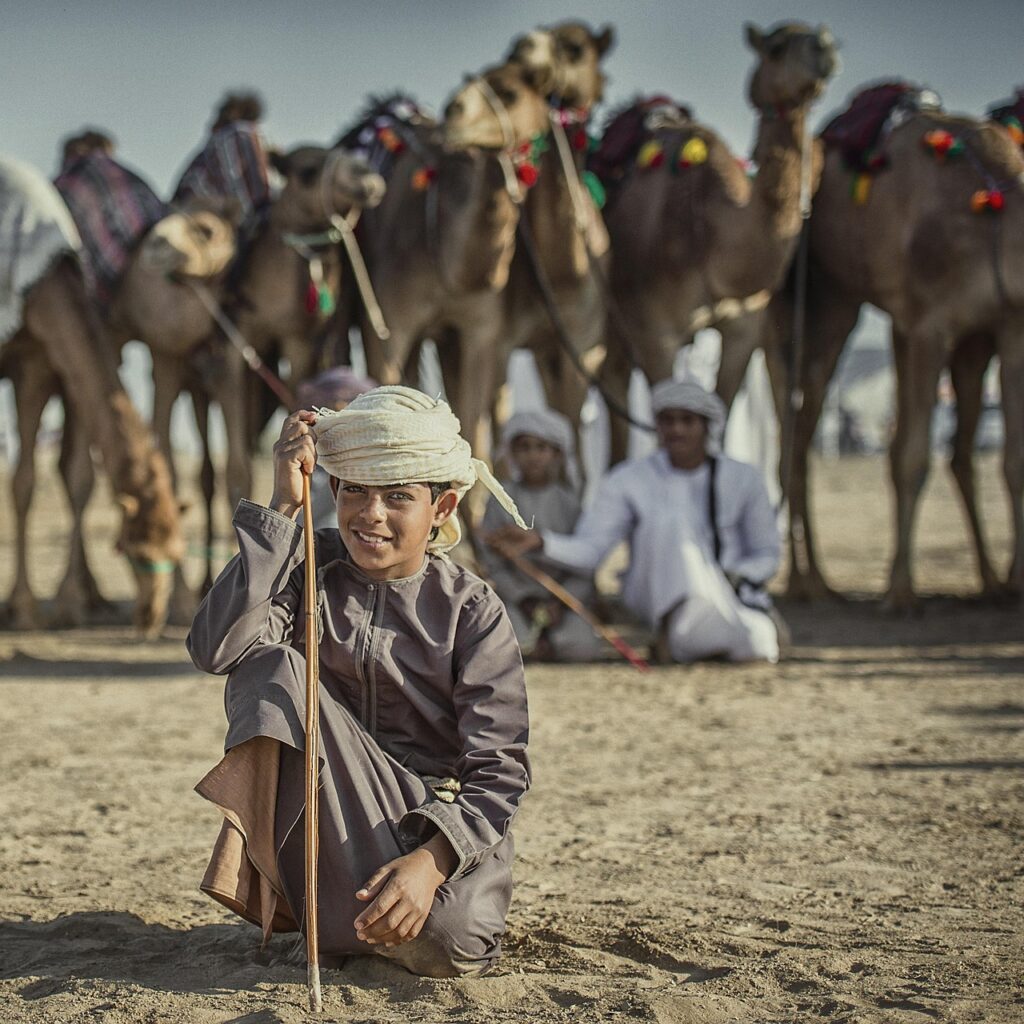

Traditional festivals have been a cornerstone of human culture for centuries, providing a platform for communities to come together, celebrate, and strengthen social bonds – a social bond being a relationship between individuals that is built on mutual trust, respect, and understanding. These festivals, which are often deeply rooted in history and tradition – tradition referring to a long-established custom or way of doing something, passed down from generation to generation, offer a unique glimpse into the values, beliefs, and practices of a particular society. From the colorful parades of Carnival in Brazil to the serene lantern-making ceremonies of the Chinese Mid-Autumn Festival, traditional festivals are a vibrant and diverse reflection of human experience. Despite their cultural significance, however, many traditional festivals are facing challenges in the modern era, including the threat of cultural homogenization – cultural homogenization meaning the process by which different cultures become more similar, often as a result of globalization, and the erosion of traditional practices. As the world becomes increasingly interconnected, it is more important than ever to understand, appreciate, and preserve these unique cultural events. Traditional festivals not only provide a sense of community and belonging but also serve as an important medium for cultural exchange and education. They offer a platform for people to learn about and appreciate different cultures, fostering greater understanding, tolerance, and peace among nations.
📝 Table of Contents
Understanding Traditional Festivals
Traditional festivals are events that are rooted in the history, mythology, or cultural heritage of a particular society – cultural heritage referring to the customs, traditions, and values that are passed down from one generation to the next. They can be religious, secular, or a combination of both, and are often tied to specific dates, seasons, or agricultural cycles. Traditional festivals can take many forms, from large-scale public celebrations to intimate family gatherings, and may involve music, dance, food, rituals, or other cultural practices. At their core, traditional festivals are a way for communities to come together, express their identity, and reinforce social bonds – social bonds being the relationships and connections that exist between individuals within a community.
One of the key characteristics of traditional festivals is their ability to evoke a sense of continuity and tradition – tradition meaning a long-established custom or way of doing something. These events often involve the repetition of rituals, ceremonies, or other cultural practices that have been passed down through generations, providing a link to the past and a sense of cultural heritage. Traditional festivals can also be an important way for communities to express their creativity, imagination, and self-expression, whether through music, dance, art, or other forms of cultural expression. The following table compares some of the key features of traditional festivals from around the world:
| Festival | Location | Type | Date |
|---|---|---|---|
| Carnival | Brazil | Secular | February/March |
| Chinese New Year | China | Religious | Late January/Early February |
| Diwali | India | Religious | October/November |
| Day of the Dead | Mexico | Secular | November 1-2 |
Traditional festivals are an integral part of human culture, offering a unique window into the history, values, and practices of a particular society. By understanding and appreciating these events, individuals can gain a deeper insight into the complexities and diversity of human experience. human culture offering
Traditional Festival Methods Worth Knowing
Researching the History and Cultural Context of a Festival
One of the most important steps in understanding traditional festivals is to research their history and cultural context – cultural context referring to the social, historical, and cultural factors that shape the meaning and significance of a particular event or practice. This can involve reading books, articles, and other materials, as well as speaking with people who have firsthand experience of the festival. By gaining a deeper understanding of the historical and cultural roots of a festival, individuals can better appreciate its significance and relevance to modern society.
Researching the history and cultural context of a festival can be a complex and time-consuming process, requiring a great deal of patience, dedication, and attention to detail. However, the rewards are well worth the effort, as this knowledge can provide a rich and nuanced understanding of the festival and its place in the world. Some of the key benefits of researching the history and cultural context of a festival include:
- Strengths: Gaining a deeper understanding of the festival’s historical and cultural roots, developing a greater appreciation for the festival’s significance and relevance, and enhancing one’s ability to participate in and engage with the festival.
- Enhancing one’s knowledge and understanding of different cultures and societies, fostering greater empathy and tolerance, and promoting cross-cultural understanding and exchange.
- Providing a unique perspective on the festival, highlighting its distinctive features and characteristics, and offering a fresh and nuanced understanding of its significance and importance.
Participating in Festival Activities and Events
Participating in festival activities and events is another important way to experience and understand traditional festivals. This can involve attending parades, watching performances, trying traditional foods, or engaging in other cultural practices – cultural practices referring to the customs, traditions, and ways of doing things that are specific to a particular culture or society. By participating in these activities, individuals can gain a firsthand experience of the festival and its cultural significance, and develop a deeper appreciation for the values and traditions that underlie it.
Participating in festival activities and events can be a fun and rewarding experience, offering a unique opportunity to engage with different cultures and communities. Some of the key benefits of participating in festival activities and events include:
- Strengths: Gaining a firsthand experience of the festival and its cultural significance, developing a deeper appreciation for the values and traditions that underlie it, and enhancing one’s ability to engage with and participate in the festival.
- Meeting new people and making friends, fostering greater social connections and community engagement, and promoting cross-cultural understanding and exchange.
- Developing a greater sense of empathy and tolerance, enhancing one’s knowledge and understanding of different cultures and societies, and providing a unique perspective on the festival and its significance.
Learning About the Symbolism and Meaning of Festival Traditions
Learning about the symbolism and meaning of festival traditions is another important way to understand and appreciate traditional festivals. This can involve researching the historical and cultural context of specific traditions, such as the use of certain colors, symbols, or rituals – rituals referring to the ceremonial or customary practices that are associated with a particular festival or event. By gaining a deeper understanding of the symbolism and meaning of these traditions, individuals can develop a richer and more nuanced appreciation of the festival and its cultural significance.
Learning about the symbolism and meaning of festival traditions can be a complex and fascinating process, requiring a great deal of patience, dedication, and attention to detail. Some of the key benefits of learning about the symbolism and meaning of festival traditions include:
- Strengths: Gaining a deeper understanding of the festival’s cultural significance and meaning, developing a greater appreciation for the values and traditions that underlie it, and enhancing one’s ability to engage with and participate in the festival.
- Enhancing one’s knowledge and understanding of different cultures and societies, fostering greater empathy and tolerance, and promoting cross-cultural understanding and exchange.
- Providing a unique perspective on the festival, highlighting its distinctive features and characteristics, and offering a fresh and nuanced understanding of its significance and importance.
festivals cultural significance
Respecting Festival Traditions and Cultural Norms
Respecting festival traditions and cultural norms is essential for anyone who wants to experience and understand traditional festivals. This can involve being mindful of cultural sensitivities, avoiding behaviors that may be considered offensive or disrespectful, and following local customs and traditions – customs and traditions referring to the established practices and ways of doing things that are specific to a particular culture or society. By respecting festival traditions and cultural norms, individuals can help to promote cross-cultural understanding and exchange, and foster greater empathy and tolerance.
Respecting festival traditions and cultural norms is a critical aspect of experiencing and understanding traditional festivals. Some of the key benefits of respecting festival traditions and cultural norms include:
- Strengths: Promoting cross-cultural understanding and exchange, fostering greater empathy and tolerance, and enhancing one’s ability to engage with and participate in the festival.
- Developing a greater sense of respect and appreciation for different cultures and societies, enhancing one’s knowledge and understanding of cultural norms and traditions, and providing a unique perspective on the festival and its significance.
- Helping to preserve and promote cultural heritage, supporting the continuation of traditional practices and customs, and contributing to the richness and diversity of human culture.
Sharing Festival Experiences and Knowledge with Others
Sharing festival experiences and knowledge with others is a great way to promote cross-cultural understanding and exchange, and to foster greater empathy and tolerance. This can involve writing about one’s experiences, sharing photos or videos, or simply talking to others about the festival and its cultural significance. By sharing festival experiences and knowledge with others, individuals can help to promote a greater understanding and appreciation of traditional festivals, and contribute to the preservation and promotion of cultural heritage.
Sharing festival experiences and knowledge with others can be a fun and rewarding experience, offering a unique opportunity to engage with others and promote cross-cultural understanding. Some of the key benefits of sharing festival experiences and knowledge with others include:
- Strengths: Promoting cross-cultural understanding and exchange, fostering greater empathy and tolerance, and enhancing one’s ability to engage with and participate in the festival.
- Developing a greater sense of community and social connection, enhancing one’s knowledge and understanding of different cultures and societies, and providing a unique perspective on the festival and its significance.
- Helping to preserve and promote cultural heritage, supporting the continuation of traditional practices and customs, and contributing to the richness and diversity of human culture.
Practical Takeaways
✔ Appreciation for Cultural Diversity
Traditional festivals offer a unique opportunity to experience and appreciate cultural diversity, fostering greater empathy and tolerance. By participating in these events, individuals can gain a deeper understanding of different cultures and societies, and develop a greater appreciation for the values and traditions that underlie them. This appreciation can help to promote cross-cultural understanding and exchange, and contribute to the preservation and promotion of cultural heritage. Traditional festivals offer
✔ Preservation of Cultural Heritage
Traditional festivals are an important part of cultural heritage, providing a link to the past and a sense of continuity and tradition. By preserving and promoting these events, individuals can help to ensure the continuation of traditional practices and customs, and contribute to the richness and diversity of human culture. This preservation can also help to promote cross-cultural understanding and exchange, and foster greater empathy and tolerance.
✔ Community Engagement and Social Connection
Traditional festivals offer a unique opportunity for community engagement and social connection, fostering greater social bonds and a sense of belonging. By participating in these events, individuals can meet new people, make friends, and develop a greater sense of connection to their community. This engagement can also help to promote cross-cultural understanding and exchange, and contribute to the preservation and promotion of cultural heritage.
✔ Personal Growth and Development
Traditional festivals can be a powerful catalyst for personal growth and development, offering a unique opportunity for self-reflection, learning, and exploration. By participating in these events, individuals can gain a deeper understanding of themselves and their place in the world, and develop a greater sense of purpose and direction. This growth can also help to promote cross-cultural understanding and exchange, and foster greater empathy and tolerance.
✔ Cross-Cultural Understanding and Exchange
Traditional festivals offer a unique opportunity for cross-cultural understanding and exchange, fostering greater empathy and tolerance. By participating in these events, individuals can gain a deeper understanding of different cultures and societies, and develop a greater appreciation for the values and traditions that underlie them. This understanding can help to promote greater social connection, community engagement, and personal growth, and contribute to the preservation and promotion of cultural heritage.
✔ Fun and Enjoyment
Traditional festivals are a fun and enjoyable way to experience and appreciate cultural diversity, offering a unique opportunity to engage with different cultures and communities. By participating in these events, individuals can meet new people, try new foods, and enjoy new music and dance, all while promoting cross-cultural understanding and exchange. This fun and enjoyment can also help to foster greater empathy and tolerance, and contribute to the preservation and promotion of cultural heritage.
Looking Ahead
- The increasing popularity of traditional festivals will lead to a greater diversity of cultural events and experiences, offering a unique opportunity for cross-cultural understanding and exchange.
- The rise of social media will play a critical role in promoting and preserving traditional festivals, offering a unique opportunity for cultural exchange and education.
- Traditional festivals will become an increasingly important part of urban planning and development, offering a unique opportunity for community engagement and social connection.
- The economic benefits of traditional festivals will become an increasingly important consideration, offering a unique opportunity for cultural exchange and economic development.
- Traditional festivals will continue to evolve and adapt to changing social and cultural norms, offering a unique opportunity for cultural exchange and education.
This trend is likely to continue in the coming years, as people become more interested in exploring and experiencing different cultures. As a result, traditional festivals will become an even more important part of modern society, providing a unique platform for cultural exchange, education, and community engagement.
Social media platforms will provide a powerful tool for promoting traditional festivals, allowing organizers to reach a wider audience and engage with participants in new and innovative ways. This will help to ensure the continuation of traditional practices and customs, and contribute to the preservation and promotion of cultural heritage.
As cities continue to grow and evolve, traditional festivals will play a critical role in promoting community engagement and social connection. By incorporating these events into urban planning and development, cities can foster a greater sense of community and social connection, and promote cross-cultural understanding and exchange. evolve traditional festivals
Traditional festivals can have a significant impact on local economies, generating revenue and creating jobs. As a result, the economic benefits of these events will become an increasingly important consideration, as cities and communities look to promote cultural exchange and economic development.
As society continues to evolve and change, traditional festivals will also adapt and evolve, reflecting new values, customs, and traditions. This will ensure that these events remain relevant and meaningful, and continue to promote cross-cultural understanding and exchange.
| Festival | Attendance | Revenue | Location |
|---|---|---|---|
| Carnival | 2 million | $100 million | Rio de Janeiro |
| Chinese New Year | 1 million | $50 million | Beijing |
| Diwali | 500,000 | $20 million | Mumbai |
| Day of the Dead | 200,000 | $10 million | Mexico City |
The Bottom Line
Traditional festivals are a vital part of human culture, offering a unique opportunity for cultural exchange, education, and community engagement. By understanding and appreciating these events, individuals can gain a deeper insight into the complexities and diversity of human experience, and develop a greater sense of empathy and tolerance. As the world becomes increasingly interconnected, traditional festivals will play an increasingly important role in promoting cross-cultural understanding and exchange, and fostering greater social connection and community engagement.
Traditional festivals are a celebration of human culture and diversity, offering a unique opportunity for people to come together and celebrate their shared heritage. By participating in these events, individuals can gain a deeper understanding of different cultures and societies, and develop a greater appreciation for the values and traditions that underlie them.
Overall, traditional festivals are an important part of modern society, providing a unique platform for cultural exchange, education, and community engagement. By preserving and promoting these events, individuals can help to ensure the continuation of traditional practices and customs, and contribute to the richness and diversity of human culture.