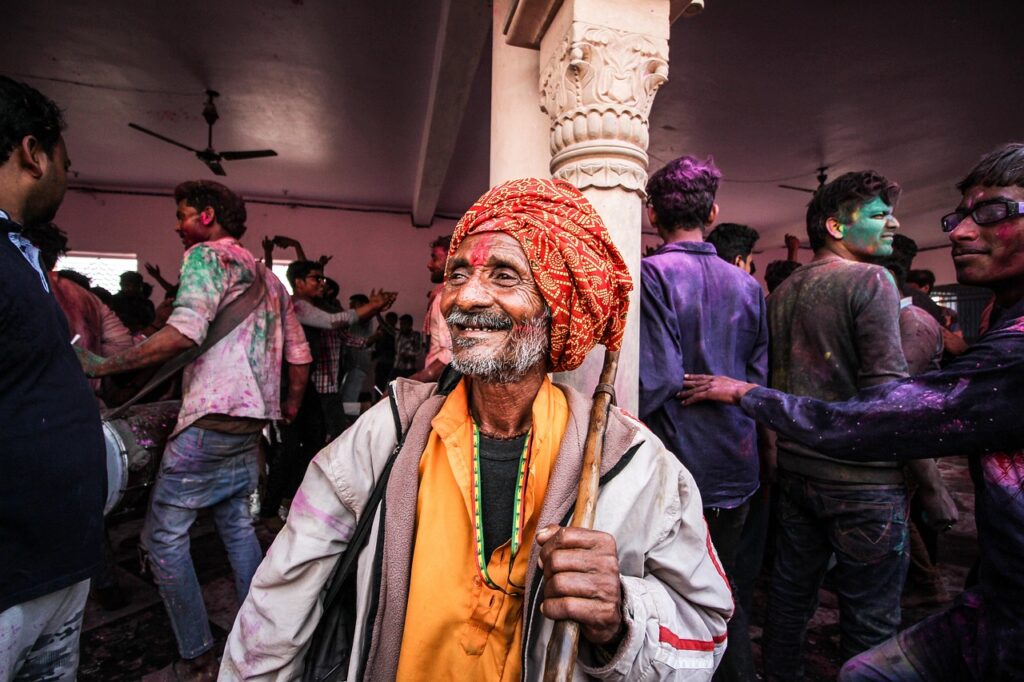

For those who have just discovered the vibrant world of traditional festivals, it can be both captivating and overwhelming. The sheer diversity and richness of these events often lead to a common misconception that they are merely colorful spectacles. However, here’s the key thing to understand: traditional festivals are deeply intertwined with the cultural, social, and historical fabric of their respective communities. They are not just events; they are living, breathing expressions of heritage and identity. As one delves deeper, it becomes clear that each festival, no matter how grand or humble, contributes significantly to the global mosaic of human experience. Each festival has its unique stories, rituals, and meanings, woven into the fabric of the community it belongs to. Understanding these festivals requires a comprehensive approach, considering their historical context, cultural significance, and the role they play in contemporary society.
📝 Table of Contents
Understanding Traditional Festivals
A traditional festival is an event that is rooted in the history and culture of a particular community or region, often celebrated over a long period. These festivals can be religious, cultural, or social in nature and are typically characterized by specific rituals, foods, decorations, and activities that are unique to the festival. Most people miss the fact that these festivals are not static; they evolve over time, reflecting changes in society while retaining their core essence.
| Term | Plain-English Meaning |
|---|---|
| Cultural Heritage | The traditions, customs, beliefs, and expressions that are passed down from one generation to the next within a community. |
| Ritual | A ceremonial act or procedure that is part of a festival, often having a symbolic meaning or historical significance. |
| Folklore | The traditional beliefs, customs, and stories of a community, which are typically passed down through oral tradition. |
| Community Engagement | The involvement and participation of community members in the preparation and celebration of a festival, fostering a sense of unity and belonging. |
| Intangible Cultural Heritage | Aspects of culture that are not physical, such as music, dance, theater, and traditional crafts, which are recognized for their cultural significance. |
| Cultural Diversity | The presence of different cultures within a society, which can enrich the cultural landscape through the exchange and celebration of various traditions and customs. |
Why Traditional Festivals Matter
Traditional festivals play a pivotal role in the lives of individuals and communities worldwide. They are more than just entertaining events; they serve as a bridge between the past and the present, preserving cultural heritage and promoting cultural diversity. For instance, the Tomatina festival in Spain, the Holi festival in India, and the Day of the Dead in Mexico are examples of festivals that not only bring communities together but also attract international attention, fostering global understanding and appreciation of different cultures.
The impact of traditional festivals can be seen in various aspects of society. Economically, these festivals can be significant generators of revenue, especially for local communities, through tourism. The Carnaval in Rio de Janeiro, for example, attracts millions of visitors each year, boosting Brazil’s economy. Furthermore, festivals can promote social cohesion by encouraging community engagement and participation. The act of preparing for and celebrating a festival often involves the collective effort of community members, strengthening social bonds and reinforcing a sense of community identity.
In addition to their economic and social benefits, traditional festivals also have a profound educational value. They provide a unique opportunity for younger generations to learn about and appreciate their cultural heritage. Through participation in traditional dances, music, and crafts, children can gain a deeper understanding of their history and cultural roots. This aspect of festivals is crucial in an increasingly globalized world, where cultural homogenization threatens the diversity of traditional practices and beliefs. By preserving and celebrating these festivals, communities can ensure the continuation of their cultural legacy.
Traditional Festival Methods Worth Knowing
1. Researching the Festival’s History and Significance
Understanding the origins and evolution of a traditional festival is essential for appreciating its cultural significance. This involves researching historical documents, speaking with community elders, and analyzing the festival’s rituals and customs. By doing so, one can uncover the deeper meanings and symbolic representations embedded within the festival. A common beginner mistake is to overlook the historical context, which can lead to a superficial understanding of the festival’s importance. involves researching historical
- Key Benefits:
- Deeper appreciation for the cultural heritage of the community
- Enhanced understanding of the festival’s rituals and customs
2. Engaging with Local Communities
Participating in a traditional festival as an outsider requires sensitivity and respect for the local community. Engaging with community members, learning about their customs, and participating in festival preparations can foster a sense of belonging and understanding. It is crucial to approach these interactions with humility and an open mind, recognizing the importance of preserving cultural integrity. A common mistake is to impose one’s own cultural norms or expectations on the festival, which can be disrespectful to the community.
- Key Benefits:
- Builds bridges between different cultural groups
- Provides an immersive cultural experience
3. Preserving Traditional Crafts and Practices
Many traditional festivals involve unique crafts and practices that are passed down through generations. Preserving these practices, such as traditional music, dance, or handicrafts, is essential for maintaining the festival’s authenticity and cultural significance. This can involve learning from local artisans, supporting local industries, and promoting these practices within the community. A common mistake is to neglect the importance of these traditional practices in favor of more modern or convenient alternatives.
- Key Benefits:
- Contributes to the preservation of cultural heritage
- Supports local economies and artisans
4. Promoting Cultural Diversity and Exchange
Traditional festivals offer a unique platform for cultural exchange and diversity. By promoting these festivals and encouraging participation from diverse cultural groups, communities can foster a greater appreciation for different traditions and customs. This can involve organizing cultural workshops, hosting international festivals, and supporting initiatives that celebrate cultural diversity. A common mistake is to underestimate the potential for cultural exchange and the benefits it can bring to both the local and global community.
- Key Benefits: discover more
- Enriches the cultural landscape of the community
- Fosters global understanding and cooperation
5. Documenting Festival Traditions
Documenting the traditions, rituals, and customs of a traditional festival is crucial for preserving its cultural significance for future generations. This can involve creating detailed records, photographs, and videos of the festival, as well as collecting testimonies from community members. A common mistake is to rely solely on digital media, which can be ephemeral, and neglect the importance of creating physical archives and documents.
- Key Benefits:
- Provides a valuable resource for historical and cultural research
- Contributes to the preservation of intangible cultural heritage
6. Supporting Local Economies through Festival Tourism
Traditional festivals can be a significant source of revenue for local economies, particularly through tourism. Supporting local businesses, artisans, and services during festival periods can help ensure that the economic benefits of the festival are retained within the community. A common mistake is to overlook the potential for festival tourism to disrupt local economies and neglect the need for sustainable tourism practices.
- Key Benefits:
- Boosts local economies and supports small businesses
- Encourages sustainable tourism practices that respect local cultures
7. Educating Future Generations about Festival Traditions
Ensuring the continuation of traditional festival practices and customs requires educating future generations about their significance and importance. This can involve integrating festival traditions into educational curricula, organizing workshops and cultural events for children, and encouraging family participation in festival activities. A common mistake is to assume that younger generations will automatically appreciate and continue these traditions without guidance and education.
- Key Benefits:
- Ensures the preservation of cultural heritage for future generations
- Promotes cross-generational understanding and appreciation of festival traditions
| Step | What You Do | Expected Result |
|---|---|---|
| 1. Research Festival History | Investigate the origins and evolution of the festival | Deeper understanding of the festival’s cultural significance |
| 2. Engage with Local Communities | Participate in festival preparations and activities | Fostered sense of community and belonging |
| 3. Preserve Traditional Crafts | Learn and support traditional music, dance, and crafts | Preservation of cultural heritage and support for local artisans |
| 4. Promote Cultural Diversity | Organize and participate in cultural exchange events | Enriched cultural landscape and global understanding |
| 5. Document Festival Traditions | Create records and archives of festival customs and rituals | Valuable resource for historical and cultural research |
| 6. Support Local Economies | Encourage and support local businesses and services during festivals | Boosted local economies and sustainable tourism practices |
| 7. Educate Future Generations | Integrate festival traditions into education and encourage family participation | Preservation of cultural heritage for future generations |
Frequently Asked Questions
What is the significance of traditional festivals in modern society?
Traditional festivals are significant in modern society because they preserve cultural heritage, promote cultural diversity, and foster community engagement. They also serve as a platform for cultural exchange and can contribute to local economies through tourism. Furthermore, these festivals provide a unique opportunity for communities to come together, strengthening social bonds and reinforcing a sense of identity and belonging.
How can one participate in a traditional festival as an outsider?
To participate in a traditional festival as an outsider, it is essential to approach the experience with respect and sensitivity towards the local culture. This involves learning about the festival’s history and customs, engaging with the local community, and participating in activities in a manner that is respectful and appropriate. It is also important to be mindful of one’s own cultural biases and to avoid imposing them on the festival or the community.
What role do traditional festivals play in preserving cultural heritage?
Traditional festivals play a crucial role in preserving cultural heritage by maintaining and passing down cultural practices, customs, and traditions from one generation to the next. They provide a platform for the expression and celebration of cultural identity, ensuring the continuation of intangible cultural heritage such as music, dance, and traditional crafts. Additionally, these festivals often involve the preservation of historical sites, monuments, and cultural artifacts, contributing to the tangible aspects of cultural heritage.
How can traditional festivals contribute to sustainable tourism?
Traditional festivals can contribute to sustainable tourism by promoting local economies, supporting small businesses and artisans, and encouraging responsible travel practices. By engaging in festival tourism in a way that respects local cultures and environments, tourists can help ensure that the economic benefits of tourism are retained within the community, supporting sustainable development and cultural preservation.
What is the importance of educating future generations about traditional festivals?
Education about traditional festivals is crucial for ensuring their continuation and the preservation of cultural heritage. By integrating festival traditions into educational curricula and encouraging family participation in festival activities, future generations can learn about and appreciate their cultural roots. This education also promotes cross-generational understanding and ensures that the cultural significance and practices of traditional festivals are not lost over time.
The Big Picture
Traditional festivals are more than just events; they are vibrant expressions of human culture and heritage. By understanding, participating in, and preserving these festivals, individuals and communities can contribute to the richness and diversity of global cultural heritage. As the world becomes increasingly interconnected, the importance of traditional festivals in fostering cultural exchange, understanding, and appreciation will only continue to grow. Through their preservation and celebration, we can ensure a more culturally aware and harmonious world for future generations.
Here’s the key thing to understand: the value of traditional festivals lies not just in their cultural significance but also in their ability to bring people together, to educate, and to preserve our collective human heritage. Most people miss the profound impact these festivals can have on both local and global communities. By embracing and supporting traditional festivals, we can foster a deeper appreciation for the diversity and complexity of human culture.
Ultimately, traditional festivals offer a unique window into the soul of human culture, revealing the depths of our creativity, our traditions, and our capacity for celebration and community. They remind us of the importance of preserving our cultural heritage and of the role each of us plays in ensuring that these traditions continue to thrive for generations to come.